
Stuck on the Scale? 7 Proven Tricks to Bust Through Your Weight‑Loss Plateau
This article contains affiliate links. If you purchase through one of these links, we may earn a commission at no extra cost to you. We only recommend products we believe in based on our own research and testing.
You’re doing everything right—logging your meals, squeezing in workouts, saying no to donuts at the office—and yet the number on the scale just stares back at you, unmoved. If this feels like your life, take a deep breath. A weight‑loss plateau is a common part of the journey and doesn’t mean you’re doomed to stay where you are. It can even be a sign that your body is adjusting and ready for the next chapter. Let’s explore why your progress seems stagnant and how to break that plateau with practical, doable steps.

Why Plateaus Are Normal (And Not the End of Your Journey)
The first thing to understand is that weight‑loss plateaus are a physiological reality, not personal failure. When you first start shedding pounds, much of the initial drop is water weight. As you continue, your body loses muscle along with fat, and muscle is metabolically active tissue. Less muscle means a slower metabolism, so your body burns fewer calories at rest. This metabolic adaptation is your body’s natural way of conserving energy.
Plateaus also happen because most of us gradually relax our calorie vigilance over time—portion sizes creep up, extra snacks find their way back in, or we become less active. Combine a lower metabolic rate with slightly higher intake, and that’s a recipe for stagnant weight loss. But don’t worry: you can tip the balance back in your favour.

Simple Ways to Kickstart Progress Again
So how do you break a plateau? Here are seven weight‑loss plateau tips that can reignite your progress:
1. Revisit Your Calorie Needs
As your weight decreases, your calorie needs do too. Recalculate your daily energy requirements based on your current weight. If you’ve been eating the same number of calories since you started, you may need to trim your intake slightly to maintain a deficit. Aim for a moderate reduction—dropping below 1,200 calories per day can backfire.
2. Strength Train to Combat Metabolic Slowdown
Strength training builds and preserves muscle mass, which boosts your metabolism. If cardio has been your mainstay, add resistance exercises two or three times a week. Not only does muscle help you burn more calories at rest, but lifting weights can also make you feel strong and empowered, breaking the monotony of steady‑state cardio.
3. Track Portions and Hidden Calories
It’s easy for extra calories to sneak in. Use a food scale or measuring cups for a few days to recalibrate your sense of portion sizes. Pay attention to condiments, cooking oils and beverages—these small additions can add up quickly.
4. Increase Daily Activity Beyond Workouts
Structured workouts are great, but non‑exercise activity—things like walking the dog, taking the stairs and even fidgeting—can make a significant difference. Look for little ways to move more throughout your day to boost your overall calorie burn.
5. Shake Up Your Workouts
Your body adapts to repeated workouts. If you always run at the same pace or do the same spin class, mix in intervals, hills or a new form of exercise. Variety challenges different muscle groups and can trigger new adaptations.
6. Prioritize Sleep and Stress Management
Chronic stress and lack of sleep can elevate cortisol levels, which may contribute to weight gain or make it harder to lose. Aim for seven to nine hours of quality sleep and find stress‑relief practices that resonate with you—meditation, yoga, journaling or simply taking a walk outside. Managing stress also helps curb emotional eating.
7. Treat Your Body with Kindness
Sometimes the best plateau breaker is patience. If you’ve tightened up your habits and added a bit more movement, give your body time to respond. Celebrate non‑scale victories like more energy, better sleep and looser clothing. Remember, this is about building a healthy lifestyle, not winning a race.
Staying Motivated and Having Fun Along the Way
Let’s be honest—plateaus can be demoralizing. The scale doesn’t move, and you start to wonder if all your hard work is pointless. Sound familiar? This is when mindset matters most.
First, reframe the plateau as feedback rather than failure. Your body is telling you it has adapted to your routine. This is an invitation to tweak and try something new. Enlist a friend or support group to cheer you on. Research shows that empathy and a collaborative approach can have a positive effect on weight‑loss efforts, so surround yourself with people who encourage you.
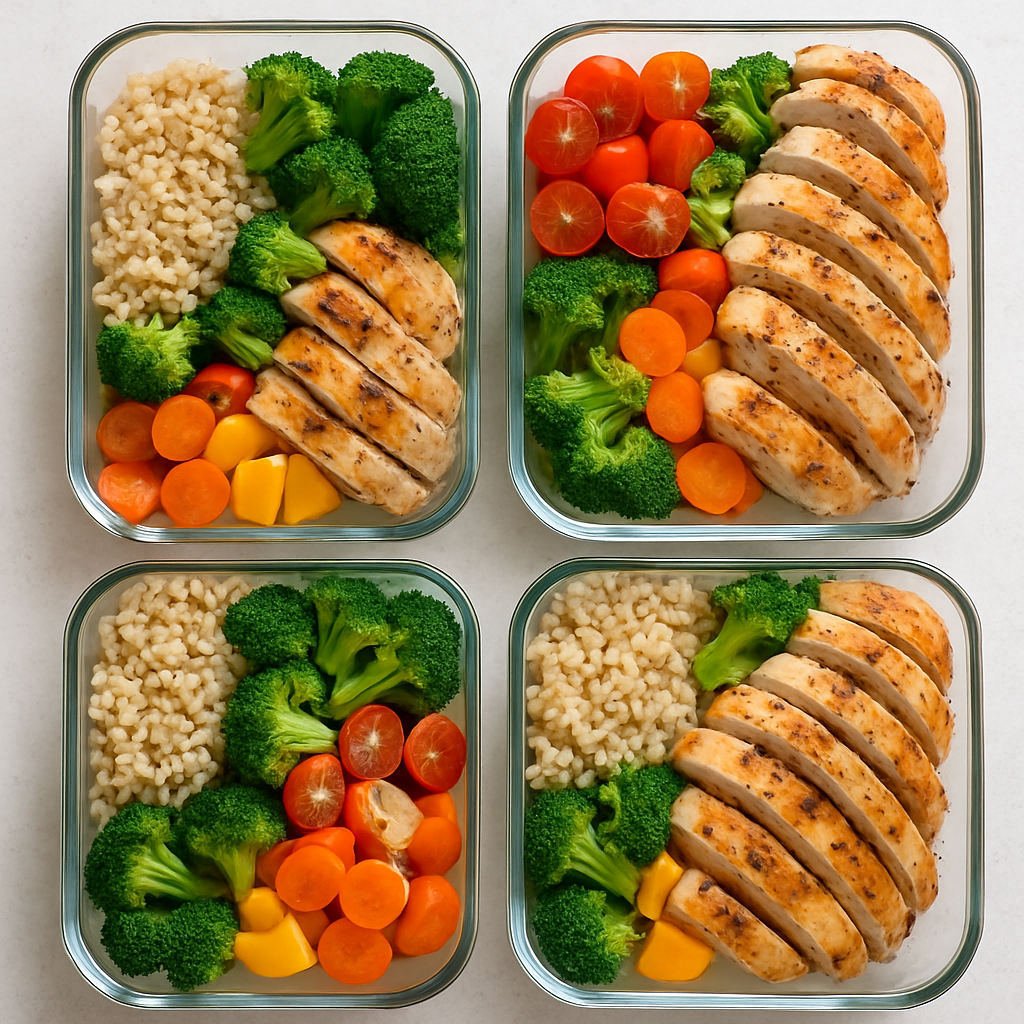
Next, stay curious about your habits. Journaling isn’t just for food—it can capture patterns of stress, sleep and emotional triggers. If you notice that late‑night snacking happens after a tough day at work, consider alternative ways to decompress, such as a warm bath or a few minutes of deep breathing. If a Saturday weigh‑in ruins your weekend, maybe put the scale away and focus on how your clothes fit for a week.
Finally, make it fun. Try a dance workout instead of slogging through another treadmill session, or experiment with new spices and recipes to keep your meals interesting. Enjoying the process makes you more likely to stick with it.