Is Your Tap Water Safe in 2026? What the EPA’s PFAS Rollback Actually Means
This article contains affiliate links. If you purchase through one of these links, we may earn a commission at no extra cost to you. We only recommend products we believe in based on our own research and testing.
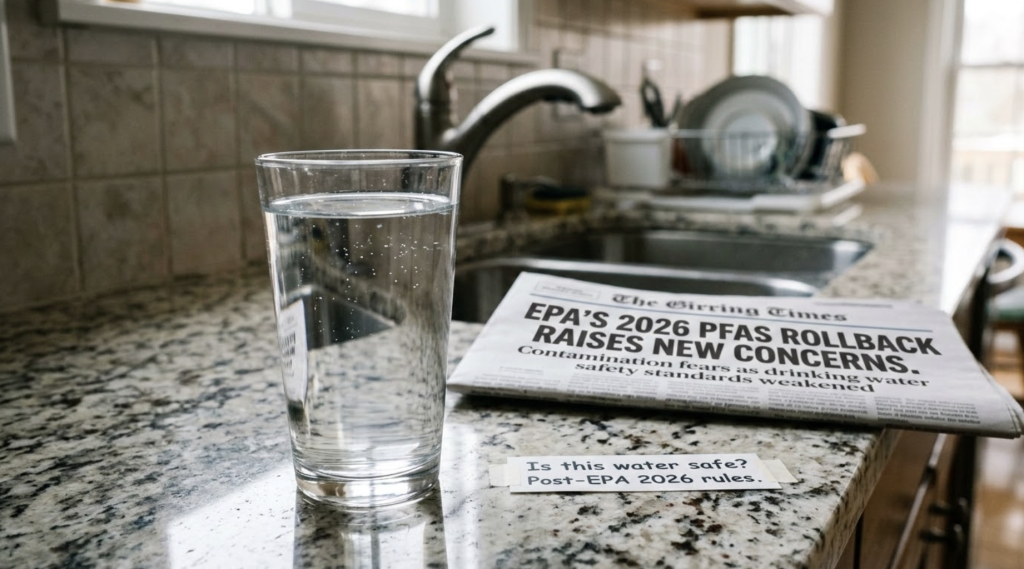
If you saw headlines this year about the EPA rolling back drinking water protections, you are not imagining things. On May 18, 2026, the EPA proposed weakening limits on PFAS, the chemicals known as “forever chemicals,” in tap water across the country.
I cover stories like this regularly over on Your First 10, where I dig into what actually affects your health day to day.
New EPA test data shows 176 million Americans now have PFAS in their drinking water. That is up from previous estimates, not down.
This article breaks down what actually changed, what stayed the same, and what you can control at home while the politics play out. No panic, no jargon, just the facts and your options.
What Are PFAS, Exactly?
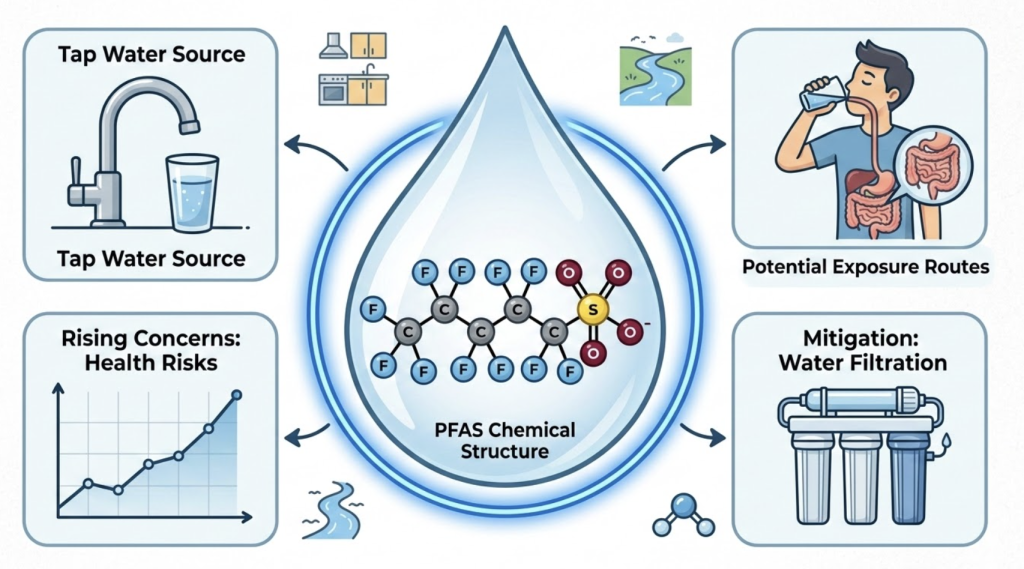
PFAS stands for per- and polyfluoroalkyl substances. They are a group of nearly 15,000 man-made chemicals used in everyday products like non-stick cookware, fast food packaging, and stain-resistant fabrics.
They are called “forever chemicals” because of their carbon-fluorine bond, one of the strongest in chemistry. Once they are in the environment, they do not break down. They just accumulate, in soil, in water, and in your body.
At least 45 percent of U.S. tap water contains one or more PFAS compounds. If you have a private well, your risk may be even higher, since wells are not tested as often as public water systems.
Why this matters for your health
Research from the CDC’s Agency for Toxic Substances and Disease Registry has linked PFAS exposure to several health concerns. These include certain cancers, thyroid disruption, immune effects in children, reproductive difficulties, and elevated cholesterol.
None of this means you need to panic every time you turn on the faucet. It does mean the water quality conversation is worth paying attention to right now, especially with federal protections in flux.
What Actually Changed With the EPA Rollback
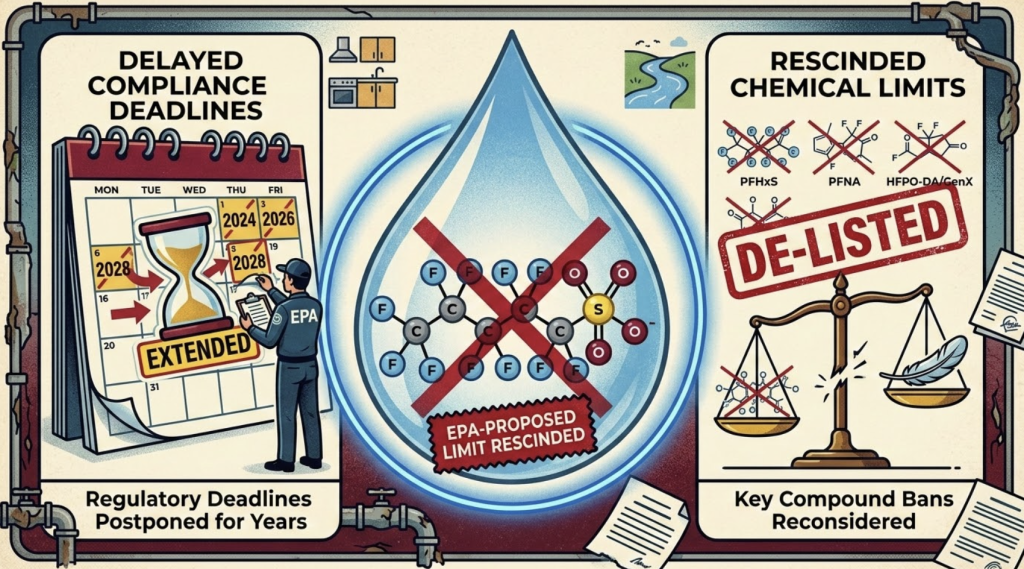
Here is the part most headlines skip. The EPA proposed two separate changes, and they are not the same thing.
The first change is a delay, not a cut. Water utilities may now get until 2031 instead of 2029 to comply with limits on PFOA and PFOS, the two most studied and most dangerous PFAS chemicals. Those limits themselves are staying in place at 4 parts per trillion each.
The second change is a real rollback. The EPA proposed removing federal limits entirely for four other PFAS compounds: PFHxS, PFNA, GenX, and PFBS. If finalized, there would be no federal requirement for utilities to test for or remove these chemicals from your water.
So the two chemicals with the most research behind them are still regulated, just with a longer compliance timeline. The four lesser known ones may lose protection altogether. Both proposals are still in the public comment period, which means nothing is finalized yet.
Three Ways to Filter PFAS at Home
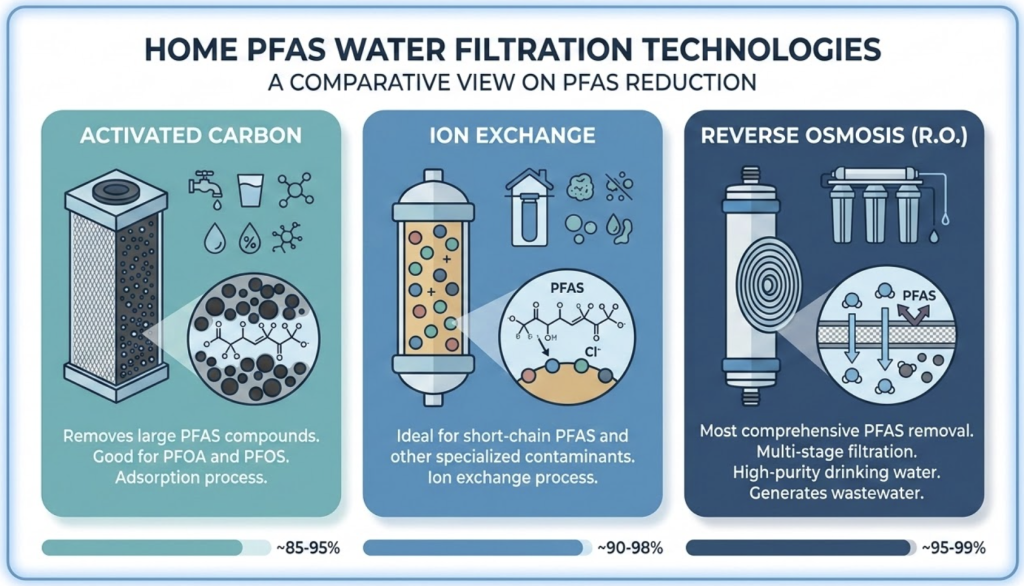
Not every filter removes PFAS, and a lot of pitcher filters marketed as “clean” only improve taste, not chemical safety. The EPA points to three technologies that actually work.
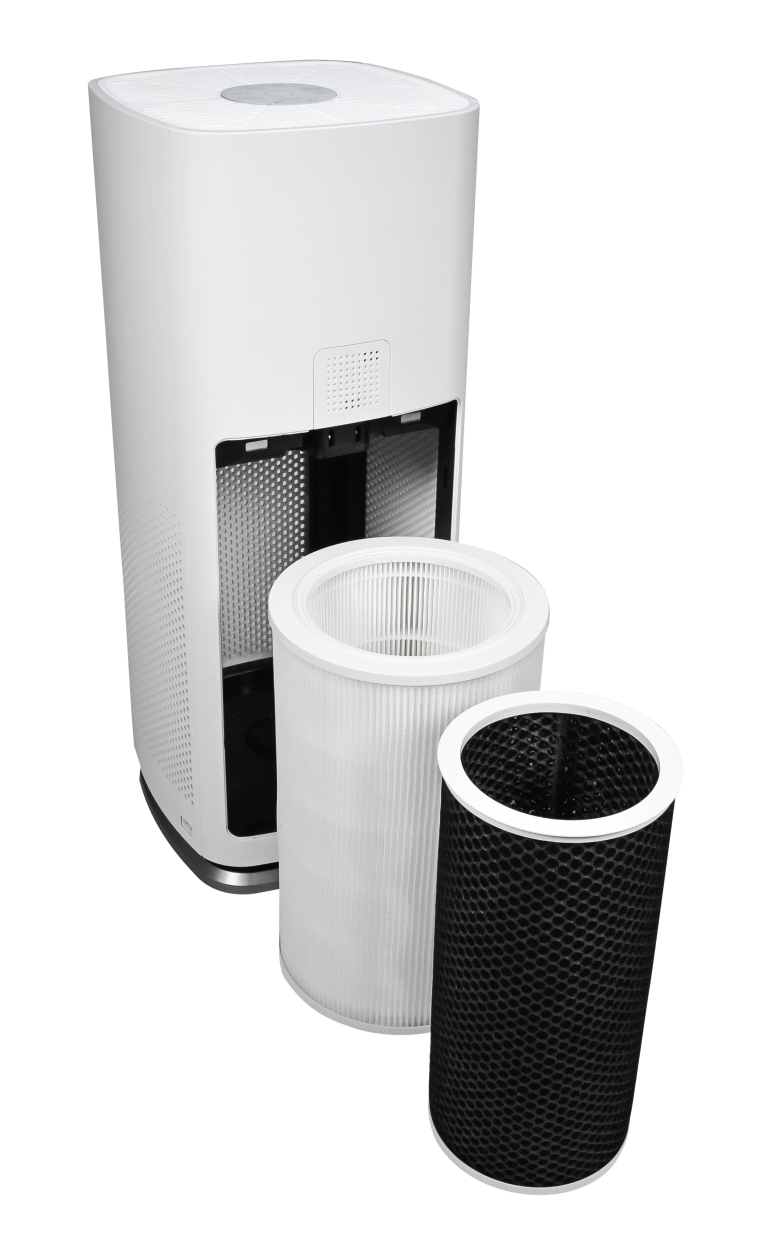
Activated carbon works by adsorption. PFAS molecules stick to the carbon surface as water passes through, similar to how lint clings to a sweater. It is common and affordable, but the carbon eventually saturates and needs regular replacement.
Ion exchange swaps harmless ions for PFAS ions as water moves through a resin bed. It performs well across a broad range of PFAS types and is often paired with carbon filtration for stronger results.
Reverse osmosis forces water through a membrane with pores so small that PFAS molecules cannot pass through. Because it works as a physical barrier rather than a surface that wears out, reverse osmosis tends to deliver the most consistent PFAS reduction of the three, which is why it is the most common recommendation for drinking water specifically.
We will compare specific filters and brands, including how each performs against PFAS in independent testing, in the next article in this series.
If you want to see what reverse osmosis actually removes and how it performs day to day, I broke it down in my AquaTru Carafe review.
How to Find Out If PFAS Is in Your Water
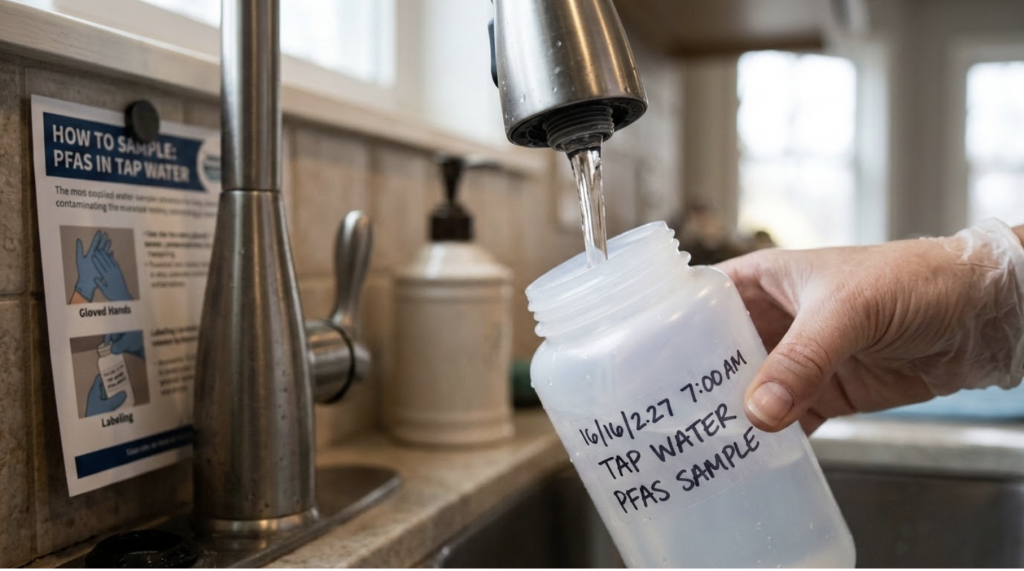
PFAS has no taste, no smell, and no color. Testing is the only real way to know what is in your water. Here is how to check, starting with the easiest option.
1. Read your water utility’s Consumer Confidence Report. Every public water system publishes an annual water quality report. If your utility has completed PFAS monitoring, the results will be listed there. You can usually find it on the utility’s website or by calling and requesting a copy.
2. Check your area’s known contamination history. The Environmental Working Group maintains an interactive PFAS map with test results by location, including many military bases and industrial sites. This is worth checking even before your own utility report arrives.
3. Order an accredited lab test. For exact numbers, especially if you are on a private well, send a sample to a state accredited lab. PFAS test kits cost more than standard water tests, but they give you a real number to compare against the EPA’s 4 parts per trillion limit.
If you are on a private well, none of the federal rules discussed above apply to you. Well water is never covered by EPA drinking water regulations, so testing is entirely your responsibility.
Bottom Line
Your tap water is not guaranteed to be PFAS free, and federal protections are currently weaker than they were a year ago. That does not mean the sky is falling. It means the decision about how clean your water is now sits more with you than with the government.
Check your local water report, consider testing if you are on a well, and know that filtration is a real, controllable option if you want peace of mind.
Frequently Asked Questions
Did the EPA get rid of PFAS limits in drinking water?
No. The limits for PFOA and PFOS remain at 4 parts per trillion. The EPA has proposed removing separate limits for four other PFAS chemicals, but that change is not final yet.
What is the current EPA limit for PFOA and PFOS?
4 parts per trillion each. To picture that concentration, it is roughly four drops of water in 20 Olympic sized swimming pools.
When do water utilities have to comply with the PFAS rule?
Initial monitoring must be done by 2027. The original treatment deadline was 2029, and a 2026 proposal would push that to 2031.
Which PFAS chemicals could lose their federal limits?
PFHxS, PFNA, and GenX chemicals, along with the combined hazard index. Some states keep their own limits regardless of what happens federally.
Do home water filters still matter if the rules change?
Yes. Your water chemistry does not change when a regulation changes. A filter that removes PFAS today will still remove it tomorrow, no matter what happens in Washington.
Related reading: [What Parents Over 35 Need to Know About Tap Water and PFAS] | Best Countertop Water Filter? AquaTru Carafe Review