
Rosemary oil has captivated my attention lately. This fragrant essential oil seems to be everywhere, with people raving about it’s wide-ranging benefits.
Check The Latest Prices On Amazon
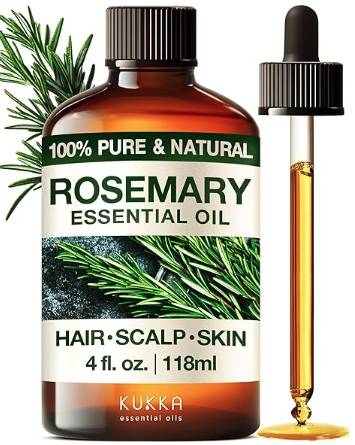
From boosting hair growth to enhancing memory, the claims are impressive.
But is there substance behind the hype? I’ve dug deep into the research and discovered that rosemary oil is far more than just a pleasant scent – it’s packed with potential health benefits supported by both traditional wisdom and modern science.
What is Rosemary Oil?
Rosemary oil is extracted from the leaves of the Rosmarinus officinalis plant. This essential oil contains powerful compounds like 1,8-cineole, α-pinene, and camphor.
These components give rosemary oil it’s distinctive aroma and contribute to it’s various effects on the body and mind.
Cognitive Function and Memory
One of the most exciting areas of research on rosemary oil is it’s potential impact on cognitive function. A 2015 study found that inhaling rosemary oil improved cognitive performance in elderly people.
This finding aligns with centuries of traditional use – ancient Egyptians included rosemary in burial rituals, and in the 16th century, it was believed to improve memory.
The cognitive-boosting effects of rosemary oil may be due to it’s ability to increase blood flow to the brain. This improved circulation could enhance oxygen and nutrient delivery to brain cells, potentially supporting better cognitive function.
Antioxidant and Anti-inflammatory Properties
Rosemary oil boasts powerful antioxidant and anti-inflammatory properties. These characteristics make it a popular choice for skincare and natural health remedies.
The antioxidants in rosemary oil help protect cells from damage caused by free radicals, which are unstable molecules that can lead to oxidative stress and cellular damage.
The anti-inflammatory properties of rosemary oil may help reduce inflammation throughout the body. Chronic inflammation is linked to many health issues, including heart disease, diabetes, and certain types of cancer.
By helping to combat inflammation, rosemary oil could potentially contribute to overall health and well-being.
Hair Care and Growth
Many people swear by rosemary oil for promoting hair growth and improving scalp health. While more research is needed, there’s substantial anecdotal evidence supporting it’s use in hair care.
Some studies have shown that rosemary oil may be as effective as minoxidil, a common hair growth treatment, in promoting hair growth in people with androgenetic alopecia.
Rosemary oil’s potential benefits for hair may be due to it’s ability to improve circulation to the scalp. This increased blood flow could nourish hair follicles, potentially leading to stronger, healthier hair growth.
Additionally, the oil’s antimicrobial properties may help maintain a healthy scalp environment, which is crucial for optimal hair growth.
Stress Relief and Mood Enhancement
Rosemary oil shows promise in stress relief and mood enhancement. A 2013 study suggested it may help reduce cortisol levels, a hormone associated with stress.
The scent of rosemary has been shown to increase feelings of contentment and reduce anxiety in some studies. We recently created an articles sharing the benefits of man herbs and essential oils. Check it out here
The mood-boosting effects of rosemary oil may be due to it’s impact on neurotransmitters in the brain. Some research suggests that rosemary oil may influence the activity of dopamine and serotonin, two neurotransmitters involved in mood regulation.
Pain Management
Rosemary oil shows potential in pain management. A 2015 animal study indicated it might help reduce pain sensitivity.
While more research is needed, particularly in humans, it’s an exciting possibility for those seeking natural pain relief options.
The pain-relieving properties of rosemary oil may be due to it’s anti-inflammatory effects and it’s ability to influence pain receptors in the body. Some people use rosemary oil topically, diluted with a carrier oil, to help relieve muscle and joint pain.
Digestive Health
Traditional Mediterranean medicine has long used rosemary for digestive issues, and modern research is beginning to support this use. Rosemary oil may help stimulate bile production, which is important for fat digestion.
It may also help reduce bloating and gas.
The digestive benefits of rosemary oil could be due to it’s carminative properties, which means it helps prevent the formation of gas in the gastrointestinal tract. Additionally, it’s antimicrobial properties may help maintain a healthy balance of gut bacteria. A quick tip is Sea Moss has amazing qualities that can also help with digestive issues as well. Check out this article we recently published.
Natural Insect Repellent
One of the lesser-known applications of rosemary oil is it’s use in natural insect repellents. The strong scent of rosemary oil can help deter various insects, including mosquitoes and flies.
This makes it a great natural alternative to chemical-based insect repellents.
To use rosemary oil as an insect repellent, you can mix a few drops with a carrier oil and apply it to exposed skin. Alternatively, you can add it to a diffuser when spending time outdoors.
Oral Health
The antimicrobial properties of rosemary oil make it a popular choice for oral health products. Some studies have shown it to be effective against certain bacteria that cause dental plaque, offering a natural way to support oral hygiene.
Rosemary oil’s potential benefits for oral health extend beyond just fighting bacteria. It’s anti-inflammatory properties may help reduce gum inflammation, and it’s fresh scent can help combat bad breath.
Potential Anti-Cancer Properties
While research is still in it’s early stages, some studies suggest that rosemary oil may have potential anti-cancer properties. Certain compounds in rosemary oil have shown promise in inhibiting the growth of cancer cells in laboratory studies.
Keep in mind that these studies are preliminary, and much more research is needed before any definitive claims can be made about rosemary oil’s role in cancer prevention or treatment. However, the initial findings are intriguing and warrant further investigation.
Safe Use of Rosemary Oil
While rosemary oil offers many potential benefits, it’s crucial to use it safely. Always dilute essential oils with a carrier oil before applying to the skin. Rosemary oil may not be suitable for everyone, particularly pregnant women or those with certain medical conditions.
It’s always best to ask with a healthcare professional before incorporating new remedies into your routine.
When using rosemary oil, start with small amounts and observe how your body responds. What works wonderfully for one person may not have the same effect for another.
Listen to your body and adjust your use accordingly.
Versatile Applications
The versatility of rosemary oil is truly impressive. Here are some ways you can incorporate it into your daily life:
- Add a few drops to a diffuser for a focus-boosting study session.
- Mix with a carrier oil and apply to your scalp for potential hair growth benefits.
- Incorporate into your skincare routine for it’s antioxidant properties.
- Use in a massage oil blend for muscle relaxation and pain relief.
- Add to homemade cleaning products for it’s antimicrobial effects.
- Use in a steam inhalation to potentially relieve congestion and support respiratory health.
- Add a drop or two to your shampoo for a scalp-stimulating boost.
- Mix with a carrier oil and use as a natural insect repellent.
- Add to a warm bath for a relaxing, stress-relieving soak.
- Use in cooking to add flavor and potential health benefits to your meals.
The Science Behind Rosemary Oil
The useful effects of rosemary oil are attributed to it’s rich composition of bioactive compounds. These include:
- 1,8-cineole (eucalyptol): This compound is known for it’s anti-inflammatory and analgesic properties.
It’s also believed to enhance cognitive performance.
- α-pinene: This terpene has shown potential anti-inflammatory, antimicrobial, and neuroprotective effects in studies.
- Camphor: Known for it’s analgesic properties, camphor is often used in topical pain relief products.
- Carnosic acid: This powerful antioxidant has shown potential neuroprotective and anti-cancer properties in laboratory studies.
- Rosmarinic acid: Another potent antioxidant, rosmarinic acid has demonstrated anti-inflammatory and antimicrobial properties in research.
These compounds work synergistically to produce the wide range of potential benefits associated with rosemary oil. The complex interplay of these components is part of what makes rosemary oil such a versatile and potentially powerful natural remedy.
Historical Use of Rosemary Oil
The use of rosemary for medicinal and culinary purposes dates back thousands of years. Ancient Egyptians, Greeks, and Romans all valued rosemary for it’s healing properties and pleasant aroma.
In medieval times, rosemary was believed to ward off evil spirits and protect against the plague.
During the Renaissance, rosemary gained popularity as a cognitive enhancer. Students would wear wreaths of rosemary while studying, believing it would improve their memory.
This traditional use aligns with modern research showing rosemary’s potential cognitive benefits.
The historical uses of rosemary oil provide a fascinating context for it’s modern applications. Many of the traditional uses of rosemary are now being validated by scientific research, demonstrating the wisdom of ancient healing practices.
Rosemary Oil in Aromatherapy
Aromatherapy is one of the most popular ways to use rosemary oil. The inhalation of rosemary oil vapors has been shown to potentially improve mood, reduce stress, and enhance cognitive performance.
In aromatherapy, rosemary oil is often used to:
- Boost mental clarity and focus
- Reduce stress and anxiety
- Improve memory and cognitive function
- Enhance alertness and reduce fatigue
- Promote a sense of well-being
To use rosemary oil in aromatherapy, you can add a few drops to a diffuser, inhale directly from the bottle (being careful not to let the oil touch your skin), or add a drop to a tissue and inhale the scent.
Rosemary Oil for Skin Health
The antioxidant and anti-inflammatory properties of rosemary oil make it a valuable ingredient in skincare. It may help:
- Reduce inflammation and redness
- Fight free radicals that contribute to premature aging
- Improve circulation to the skin, promoting a healthy glow
- Balance oil production, potentially benefiting both dry and oily skin types
- Support the skin’s natural healing processes
To use rosemary oil for skin health, always dilute it with a carrier oil like jojoba or coconut oil before applying to the skin. You can also look for skincare products that include rosemary oil as an ingredient.
Click Here to Check the Latest Prices
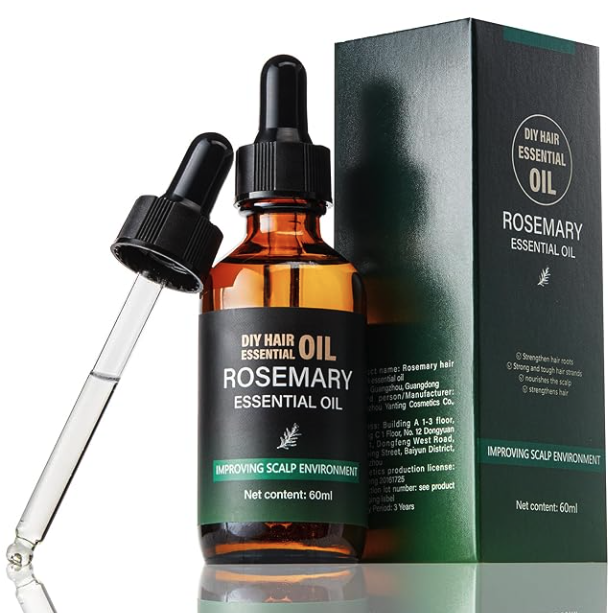
Rosemary Oil for Hair Health
Rosemary oil’s potential benefits for hair health extend beyond just promoting growth. It may also:
- Stimulate blood circulation to the scalp
- Strengthen hair follicles, potentially reducing hair loss
- Add shine and luster to hair
- Help balance scalp oil production
- Combat dandruff due to it’s antifungal properties
To use rosemary oil for hair health, you can add a few drops to your shampoo or conditioner, or mix it with a carrier oil for a scalp massage. Some people also make a rosemary hair rinse by steeping rosemary leaves in hot water, cooling the mixture, and using it as a final rinse after shampooing.
Rosemary Oil in Culinary Applications
While rosemary essential oil is too concentrated for internal use, culinary rosemary oil (made by infusing rosemary in a base oil) can be a flavorful and healthful addition to your cooking. Rosemary-infused oil can be used to:
- Add flavor to roasted vegetables
- Create flavorful salad dressings
- Enhance the taste of grilled meats
- Add depth to soups and stews
- Create aromatic marinades
When using rosemary in cooking, remember that a little goes a long way. The strong flavor of rosemary can easily overpower other ingredients if used in excess.
Rosemary Oil for Home Cleaning
The antimicrobial properties of rosemary oil make it a great addition to natural home cleaning products. You can use rosemary oil to:
- Create all-purpose cleaning sprays
- Add a fresh scent to laundry
- Make natural air fresheners
- Create disinfecting surface wipes
- Add to floor cleaning solutions for a fresh, clean scent
When using rosemary oil for cleaning, always dilute it properly and test on a small, inconspicuous area first to confirm it doesn’t damage surfaces.
Potential Side Effects and Precautions
While rosemary oil is generally considered safe when used properly, it’s important to be aware of potential side effects and take necessary precautions:
- Skin irritation: Some people may experience skin irritation when using rosemary oil topically.
Always dilute with a carrier oil and perform a patch test before widespread use.
- Allergic reactions: People with allergies to other plants in the mint family (such as basil, lavender, or sage) may be more likely to have an allergic reaction to rosemary.
- Pregnancy and breastfeeding: Pregnant and breastfeeding women should ask with a healthcare provider before using rosemary oil, as it may stimulate menstruation or affect hormone levels.
- Drug interactions: Rosemary oil may interact with certain medications, including blood thinners and diabetes medications.
Always ask with a healthcare provider if you’re taking any medications.
- Seizure risk: In very high doses, rosemary oil may increase the risk of seizures in people with epilepsy or other seizure disorders.
- Eye irritation: Avoid getting rosemary oil in or near the eyes, as it can cause severe irritation.
- Internal use: Rosemary essential oil should never be ingested. Only use food-grade rosemary oil or fresh/dried rosemary herbs for culinary purposes.
Choosing and Storing Rosemary Oil
When purchasing rosemary oil, look for high-quality, pure essential oil from reputable sources. Here are some tips:
- Check the label: It should list the Latin name (Rosmarinus officinalis) and be 100% pure essential oil.
- Look for dark glass bottles: Essential oils should be stored in dark glass to protect them from light degradation.
- Consider the extraction method: Steam-distilled rosemary oil is considered the highest quality.
- Check the country of origin: Rosemary oil from France and Spain is often considered superior due to ideal growing conditions.
- Avoid “fragrance oils”: These are synthetic and don’t offer the same benefits as pure essential oils.
To store rosemary oil properly:
- Keep it in a cool, dark place away from direct sunlight and heat.
- Ensure the cap is tightly closed to prevent oxidation.
- Avoid storing in plastic containers, as essential oils can degrade certain plastics.
- Use within 1-2 years for best potency, although properly stored rosemary oil can last up to 3 years.
Frequently Asked Questions
What are the main benefits of rosemary oil?
Rosemary oil offers potential benefits for cognitive function, hair growth, stress relief, pain management, and skin health. It also has antimicrobial and antioxidant properties.
How do I use rosemary oil for hair growth?
Mix a few drops of rosemary oil with a carrier oil like jojoba or coconut oil. Massage this mixture into your scalp, leave for 30 minutes to an hour, then wash out.
Repeat 2-3 times per week.
Can rosemary oil help with memory?
Some studies suggest that inhaling rosemary oil may improve memory and cognitive performance, particularly in older adults.
Is rosemary oil safe for all skin types?
While rosemary oil can benefit many skin types, it’s always best to do a patch test first. Those with sensitive skin should use extra caution and dilute the oil well.
How often should I use rosemary oil?
The frequency of use depends on the application. For aromatherapy, daily use is often fine.
For topical applications, 2-3 times per week is typically enough.
Can rosemary oil help with headaches?
Some people find that applying diluted rosemary oil to the temples can help relieve headaches, though more research is needed to confirm this effect.
Is rosemary oil safe for pets?
Rosemary oil can be toxic to pets if ingested or applied directly to their skin. It’s best to avoid using it around pets or ask with a veterinarian first.
Can rosemary oil be used during pregnancy?
Pregnant women should ask with a healthcare provider before using rosemary oil, as it may stimulate menstruation or affect hormone levels.
Does rosemary oil have antibacterial properties?
Yes, studies have shown that rosemary oil has antibacterial properties against several types of bacteria.
Can rosemary oil help with dandruff?
The antifungal properties of rosemary oil may help combat dandruff when used in hair care routines, though more research is needed to confirm it’s effectiveness.
Conclusion
Rosemary oil is a versatile natural remedy with a wide range of potential benefits. From boosting cognitive function and promoting hair growth to offering stress relief and antimicrobial properties, this essential oil has much to offer.
While more research is needed to fully understand and confirm many of it’s effects, the combination of traditional use, anecdotal evidence, and emerging scientific research makes a compelling case for incorporating rosemary oil into your wellness routine.
Key Takeaways
- Rosemary oil may enhance cognitive function and memory.
- It has potential benefits for hair growth and scalp health.
- The oil’s anti-inflammatory and antioxidant properties make it useful for skincare.
- Rosemary oil may help with stress relief and pain management.
- It has antimicrobial properties, making it useful for oral health and natural cleaning.
- Always use essential oils safely and ask with a healthcare provider if you have any concerns.
- The versatility of rosemary oil makes it a valuable addition to many aspects of a healthy lifestyle.

