Sierra Nevada Cheese Recall: 13 Sick and 3 Kids in Kidney Failure From E. coli
This article contains affiliate links. If you purchase through one of these links, we may earn a commission at no extra cost to you. We only recommend products we believe in based on our own research and testing.
If you’ve got a wedge of raw milk cheddar or jack cheese in your fridge right now, it’s worth two minutes to find out where it came from.
Sierra Nevada Cheese Company has recalled its entire Graziers Raw Milk Cheese line after it was linked to a growing E. coli outbreak. As of September 25, 2026, the CDC counts 13 confirmed illnesses across nine states. Eight people have been hospitalized. Three children are in hemolytic uremic syndrome, a form of kidney failure that can follow a severe E. coli infection.
More than half of the people who got sick are five years old or younger.
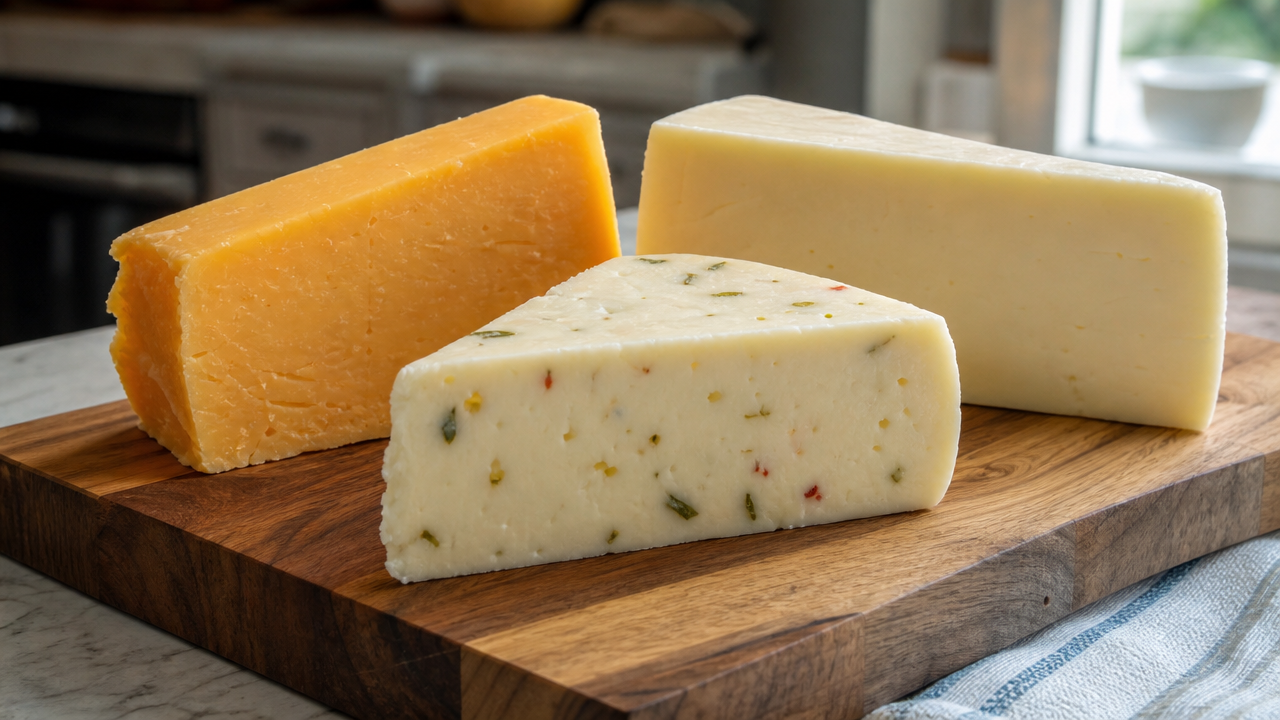
Graziers Raw Milk Cheese varieties recalled include medium cheddar, sharp cheddar, Monterey Jack, and jalapeño jack.
What Was Recalled
Sierra Nevada Cheese Company, based in Willows, California, is recalling every variety and package size of its Graziers Raw Milk Cheese line, sold nationwide through retailers, distributors, and direct customers. That includes:
- Medium Cheddar (8-ounce squares, 16-ounce bricks, 5-pound loaves)
- Sharp Cheddar (8-ounce squares, 5-pound loaves)
- Monterey Jack (8-ounce squares, 5-pound loaves)
- Jalapeño Jack (8-ounce squares, 5-pound loaves)
- 40-pound cheddar blocks sold to food service accounts
Investigators have not pinned down a single lot number or production date tied to the contamination. Because of that, the company and the FDA are recalling all Graziers Raw Milk Cheese currently in distribution, not just specific lots.
Why It Was Recalled
The FDA says the cheese may be contaminated with E. coli O26:H11, a Shiga toxin-producing strain (STEC). This isn’t the same as the more commonly known E. coli O157:H7, but it can cause the same severe illness, including bloody diarrhea and, in the worst cases, kidney failure.
The CDC’s outbreak investigation has tracked illness onset dates back to July 7, 2026, with the most recent confirmed case reported August 26, 2026. Sick people range in age from 1 to 58, with a median age of just 5. The outbreak has reached California, Colorado, Georgia, Kentucky, Michigan, Nevada, Oregon, Tennessee, and Utah.
The FDA contacted Sierra Nevada Cheese Company on September 24, 2026, and the company agreed that same day to recall the product line.
Investigators have not identified a single lot number, so every package of Graziers Raw Milk Cheese is included in the recall.
What To Do If You Have It
If you have any Graziers Raw Milk Cheese in your home, in any variety or size, the FDA’s guidance is simple: don’t eat it.
- Check your fridge and freezer for anything labeled “Graziers” cheddar, Monterey Jack, or jalapeño jack.
- Do not taste it to check. Symptoms can follow even a small amount of contaminated cheese.
- Throw it away, or return it to the place of purchase for a refund.
- Wash anything the cheese touched — cutting boards, knives, containers, and fridge shelves — with hot soapy water.
- Watch for symptoms: severe stomach cramps, vomiting, and diarrhea that may be watery or bloody, typically starting one to ten days after eating contaminated food.
If you or a family member develop these symptoms, especially a young child, contact a doctor right away and mention the recall. Severe cases can progress to hemolytic uremic syndrome, which needs immediate medical care.
The FDA recommends throwing away or returning any Graziers Raw Milk Cheese product rather than eating it.
Frequently Asked Questions
How do I know if I have the recalled cheese?
Check the packaging for the Sierra Nevada Cheese Company name or the “Graziers” product line. The recall covers every variety and package size of Graziers Raw Milk Cheese, so if it’s from that line, it’s included, regardless of a specific lot code.
Is this dangerous?
Yes. This is an active outbreak with confirmed hospitalizations and cases of hemolytic uremic syndrome, a serious kidney complication. It is not a precautionary recall; people have already gotten seriously ill.
What if I already ate it and feel fine?
Symptoms can take up to 10 days to appear. If you ate the recalled cheese, watch for stomach cramps, vomiting, or diarrhea over the following one to two weeks, and don’t wait to call a doctor if bloody diarrhea develops.
Can I just cook it to kill the bacteria?
The FDA’s guidance is to discard or return the product rather than try to salvage it. Don’t take the risk.
Where can I verify this recall myself?
The official FDA recall notice and the CDC’s outbreak investigation page are linked below.
The Bottom Line
This is one of the more serious food recalls of the past few weeks: a real, active outbreak, hospitalizations, and children in kidney failure, not just a precautionary label issue. If Graziers Raw Milk Cheese is in your kitchen, it belongs in the trash, not on a cutting board.
For more on recent food safety recalls, see our coverage of the Whole Foods Cabricharme cheese recall and the broccoli sprouts Salmonella outbreak.
Sources:
FDA official recall notice
CDC E. coli outbreak investigation