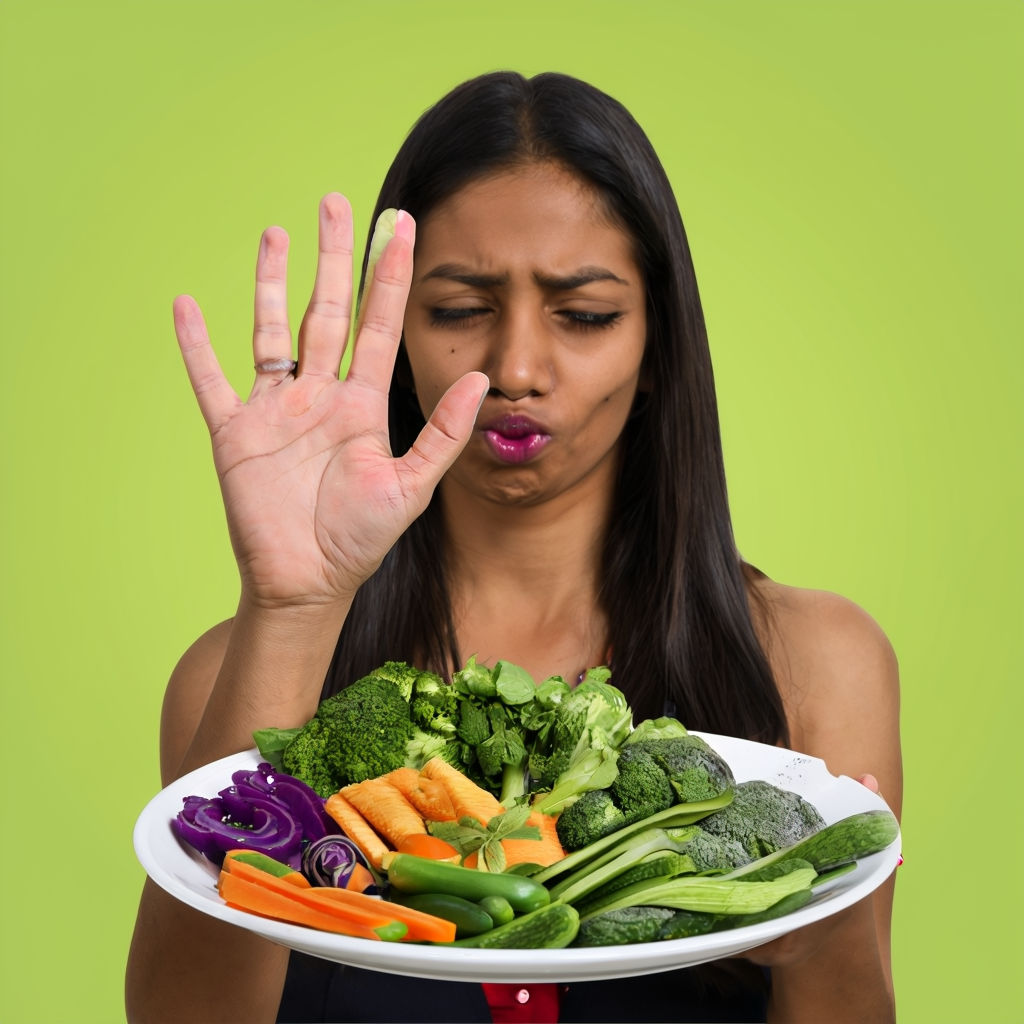
Losing weight doesn’t have to be about deprivation or rigid dieting. For those aiming to shed pounds, mastering portion control can make a substantial difference without sacrificing satisfaction or enjoyment.

This article explores scientifically-backed portion control strategies that help manage calorie intake naturally, making weight loss a seamless part of your lifestyle. With small adjustments, these strategies can yield big results over time.
Why Portion Control Works for Weight Loss
Portion control focuses on limiting the amount of food consumed at each meal rather than restricting the types of food you eat. Studies reveal that people often eat based on visual cues (like the size of the plate) rather than actual hunger, leading to unintentional overeating. By using portion control techniques, you become more aware of how much food you consume, which often translates to fewer calories.
In a study from Appetite, researchers found that people who practiced mindful portion control ate significantly fewer calories and lost more weight compared to those who did not focus on portion sizes. With a few practical methods, it’s possible to manage portions without feeling deprived or overwhelmed.
Proven Portion Control Strategies to Lose Weight Effortlessly
1. Use Smaller Plates and Bowls
Studies show that the size of your plate affects how much you eat. A smaller plate makes portions appear larger, tricking your brain into feeling satisfied with less food. According to a study in the Journal of Consumer Research, participants ate 30% less food when using a smaller plate compared to a larger one.
Tip: Try using a salad plate instead of a dinner plate for your main meals. It’s a small adjustment but can lead to considerable calorie reduction over time.
2. Follow the Plate Method
The Plate Method is an easy, visual way to balance portions and includes filling half of your plate with non-starchy vegetables, a quarter with protein, and a quarter with whole grains or starchy vegetables. Not only does this ensure balanced nutrition, but it also helps control portions naturally.
Example: For dinner, fill half your plate with leafy greens, one quarter with grilled chicken, and the last quarter with quinoa or sweet potato. This combination provides nutrients and keeps calories in check.
3. Measure and Pre-Portion Snacks
Snack foods can quickly add up in calories, especially when eaten straight from the package. Pre-portioned snacks can help you avoid mindless eating and manage caloric intake effectively. Research from the American Journal of Clinical Nutrition shows that people who pre-portion snacks tend to consume fewer calories.
Tip: Buy single-serve snack packs or measure out a serving into a bowl rather than eating directly from the bag.
4. Drink Water Before Meals
Sometimes, thirst is mistaken for hunger. Drinking a glass of water before meals can help you feel fuller, reducing the likelihood of overeating. A study published in Obesity found that participants who drank water before meals consumed 13% fewer calories.
Pro Tip: Keep a water bottle with you throughout the day and aim to drink at least eight ounces before each meal. It’s a simple way to manage appetite and stay hydrated.
5. Prioritize Protein-Rich Foods
Protein has a high satiety factor, meaning it keeps you fuller for longer and helps prevent overeating. Including a protein source at each meal can control hunger and make portion control easier. Studies in Nutrition & Metabolism indicate that protein-rich diets support weight loss by promoting fullness.
Suggested Sources: Eggs, lean meats, beans, and Greek yogurt are great protein choices. Try adding a protein component to every meal to feel more satisfied.
6. Slow Down and Practice Mindful Eating
Eating slowly allows your brain to catch up with your stomach, giving you a better sense of fullness and satisfaction. A study in Appetite found that slow eaters consume fewer calories than fast eaters, simply because they are more attuned to their body’s signals.
Mindful Eating Tip: Chew each bite thoroughly and put down your fork between bites. This simple tactic helps with portion control and increases meal enjoyment.
7. Track Your Meals and Portions
Recording what you eat can help you stay mindful and identify patterns that lead to overeating. Food journals and tracking apps can be a helpful tool for observing portion sizes and caloric intake, giving you insights into your eating habits.
Recommendation: Use a tracking app like MyFitnessPal or keep a simple food journal. Studies suggest that people who track their food intake lose more weight and maintain their results longer than those who don’t.
Real-Life Success Stories: How Portion Control Changed Lives
Many people have achieved significant weight loss by focusing on portion control. For instance, Sarah, a busy mother of two, lost 25 pounds in six months by switching to smaller plates, pre-portioning snacks, and following the Plate Method. Similarly, Mark, a software engineer, lost 15 pounds by simply drinking water before meals and adding protein-rich foods to his diet. These stories demonstrate that small, manageable changes can have a big impact on weight and health over time.
Portion Control Frequently Asked Questions (FAQs)
Q: Can portion control work for everyone?
A: Yes, portion control can be effective for people of all body types and lifestyles. It’s especially helpful for individuals who struggle with overeating or have a hard time sticking to strict diets.
Q: Do I need to measure everything I eat?
A: Not necessarily. While measuring can be helpful initially to understand portion sizes, you can also use visual cues like the Plate Method or smaller plates to keep portions in check.
Q: How long does it take to see results with portion control?
A: Results vary, but many people notice weight loss within a few weeks. The key is consistency—small changes add up over time.
Q: What if I’m still hungry after a meal?
A: Try waiting 10–15 minutes after finishing your meal before deciding if you need more. This allows your brain to catch up with your stomach’s fullness signals.
Final Thoughts on Effortless Weight Loss Through Portion Control
By incorporating these simple portion control strategies, weight loss becomes a more natural and manageable process. There’s no need for restrictive diets or drastic changes—small adjustments, when done consistently, can lead to lasting results. Focus on enjoying balanced meals, listening to your body, and making gradual shifts that support your long-term health and wellness goals.
Pro Tip: Remember that portion control is just one part of a balanced lifestyle. Combining it with regular physical activity, a varied diet, and proper hydration can amplify results and support overall health.