
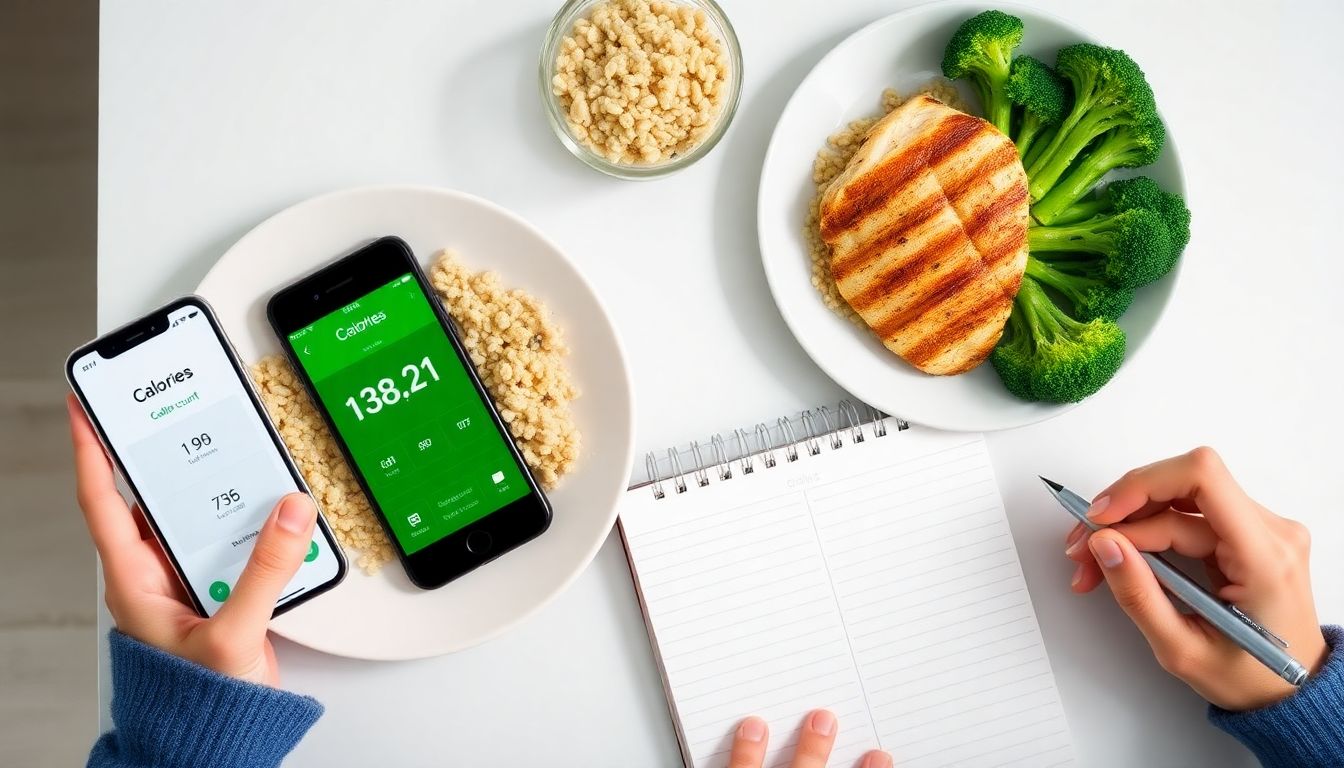
In the pursuit of a healthier lifestyle, understanding the nuances of dietary strategies is crucial. Two of the most commonly debated methods for weight management are counting calories and practicing portion control. But which one works best? Let’s break down both approaches, examine their pros and cons, and help you decide which is right for you.
What Is Counting Calories?
Counting calories involves tracking the energy you consume through food and beverages. Since weight loss or maintenance largely depends on the balance between calories consumed and calories expended, calorie counting has long been considered an effective strategy. By understanding the caloric content of each food item, you can tailor your intake to meet your goals.
How to Count Calories Effectively:
- Use Tracking Apps: MyFitnessPal, Cronometer, and similar apps simplify the process, providing databases with accurate calorie information.
- Read Nutrition Labels: Familiarize yourself with serving sizes and caloric content.
- Stay Consistent: Even small bites and sips count, so be thorough.
Pros of Calorie Counting:
- Precision: You have exact knowledge of your energy intake.
- Flexibility: Allows for occasional indulgences if they fit into your calorie budget.
- Informed Choices: Encourages awareness of the nutritional quality of your food.
Cons of Calorie Counting:
- Time-Consuming: Logging every meal and snack can be cumbersome.
- Obsession Risks: It may lead to unhealthy fixations on numbers.
- Overlooking Quality: Focusing solely on calories can ignore the nutritional value of foods.
What Is Portion Control?
Portion control focuses on managing the quantity of food you consume without necessarily counting calories. This approach emphasizes serving sizes, using methods like the “plate method” or measuring cups to avoid overeating.
How to Practice Portion Control:
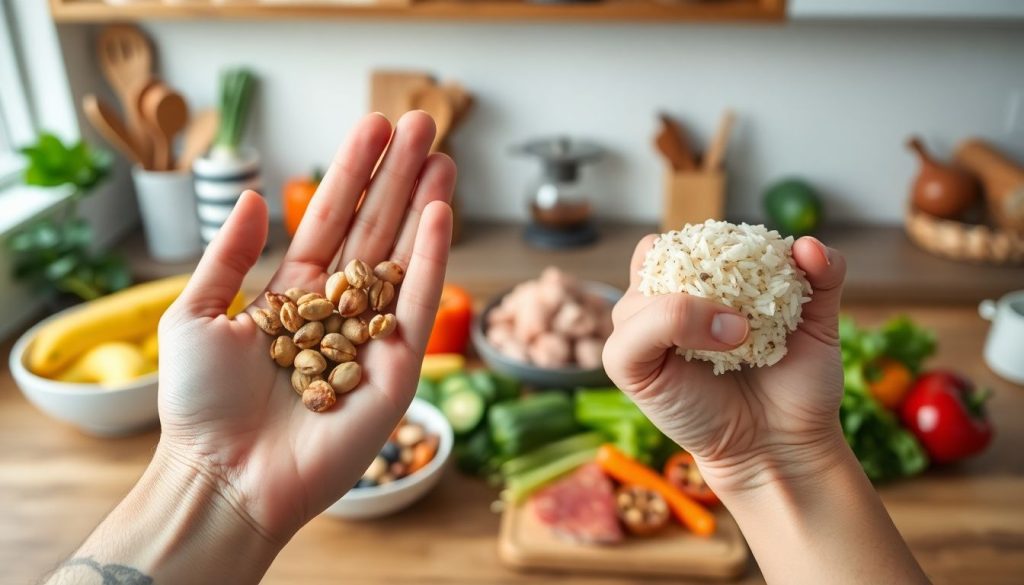
- Visual Cues: Use your hand to gauge appropriate serving sizes (e.g., a palm-sized portion of protein).
- Plate Division: Fill half your plate with vegetables, a quarter with lean protein, and a quarter with whole grains.
- Smaller Plates: Opt for smaller dishware to trick your brain into feeling satisfied with less.
Pros of Portion Control:
- Simplicity: Easier to implement without the need for calculations.
- Mindfulness: Encourages slower eating and better awareness of hunger cues.
- Balanced Diet: Promotes a variety of food groups, focusing on well-rounded nutrition.
Cons of Portion Control:
- Less Precision: Difficult to gauge how portion sizes translate into calorie counts.
- Potential Misjudgment: Visual cues may not be as accurate as measured amounts.
- Limited Flexibility: Some people find it restrictive, especially in social settings.
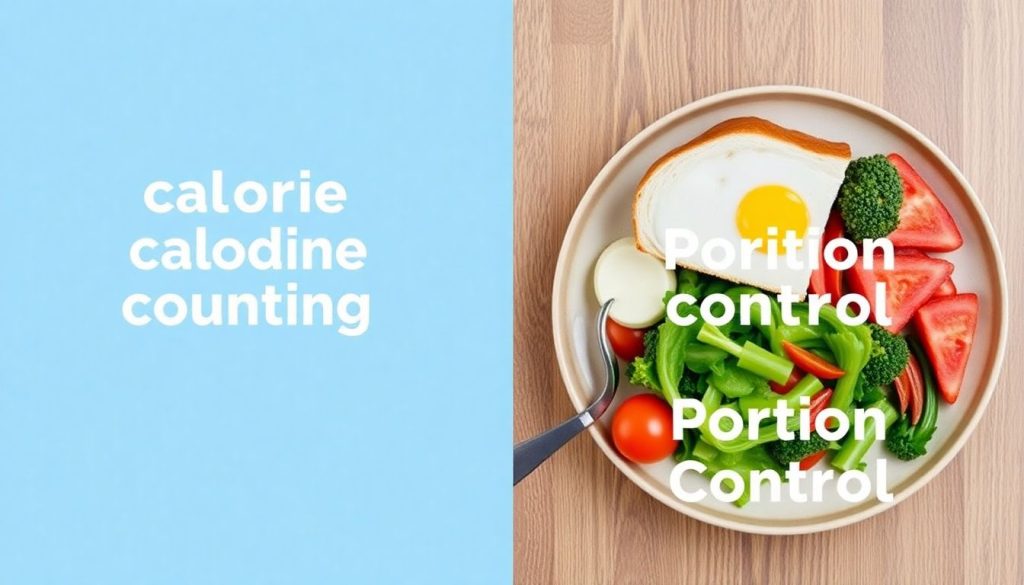
Calorie Counting vs. Portion Control: How Do They Compare?
- Ease of Use:
- Calorie Counting: More complicated, but with the benefit of precision.
- Portion Control: Simpler, though less exact.
- Sustainability:
- Calorie Counting: Effective short-term but can be challenging to maintain.
- Portion Control: More sustainable as a long-term lifestyle habit.
- Health Focus:
- Calorie Counting: May promote weight loss without necessarily fostering healthy eating habits.
- Portion Control: Encourages balance and attention to food quality.
Which Approach Is Right for You?
Deciding between calorie counting and portion control depends on your personality, lifestyle, and health goals. If you prefer a structured and detailed method, calorie counting might be more suitable. On the other hand, if you value flexibility and mindfulness, portion control could be the better option.
Consider Your Goals and Lifestyle:
- Weight Loss Goals: A combination of both strategies might yield the best results.
- Busy Lifestyle: Portion control may fit better if you don’t have time for meticulous logging.
- Emotional Eating: Portion control can help address overeating habits by promoting mindfulness.
Expert Opinions: Dietitians often suggest a balanced approach, using elements from both methods. For instance, you can start with calorie counting to understand your intake and then transition to portion control for a more sustainable routine.
Tips for Success Regardless of the Approach
- Focus on Nutrient Density: Choose whole, unprocessed foods to maximize the nutritional benefits of every calorie or portion.
- Stay Hydrated: Sometimes, thirst is mistaken for hunger, leading to overeating.
- Practice Mindful Eating: Pay attention to the flavors, textures, and your body’s signals of fullness.
Case Studies & Real-Life Examples
One study published in The American Journal of Clinical Nutrition highlighted that individuals who combined calorie awareness with portion control saw more sustainable weight loss. Another case involved a woman named Sarah, who found that switching from strict calorie counting to portion control helped her maintain her weight without feeling deprived.
Conclusion
Both calorie counting and portion control have their merits. The key is to choose an approach that aligns with your lifestyle and fosters a positive relationship with food. Remember, there’s no one-size-fits-all answer, and what works for someone else may not work for you. Experiment, stay patient, and focus on progress rather than perfection.
SEO and Readability Enhancements
- Keywords: Incorporate phrases like “weight loss methods,” “how to lose weight,” and “diet strategies” naturally throughout the content.
- Headings Optimization: Use compelling titles to boost engagement and optimize for search engines.
- Engaging Meta Description: “Discover whether calorie counting or portion control suits your weight loss journey best. Learn practical tips, expert insights, and real-life examples to find your ideal approach.”