When people hear “whole house water filtration,” they often assume it’s overkill—something only luxury homeowners or off-grid homesteaders need. But with growing concerns around chlorine, aging pipes, PFAS, and long-term health exposure, whole house filtration has quietly become one of the most practical upgrades for families and preparedness-minded households.
This article is a deep-dive Aquasana whole house systems review, designed to help you decide whether Aquasana’s approach is worth the investment, who it’s best for, and where it may not be the right fit. While not everyone in our target audience can install a whole house system, understanding how these systems compare can still help renters and apartment dwellers make smarter filtration decisions.
Brand Overview and History
Aquasana was founded in 1997 in Austin, Texas, with a mission that still sets it apart today: remove harmful contaminants while keeping beneficial minerals intact.
Unlike reverse osmosis brands that focus on stripping water down to its most basic elements, Aquasana built its reputation around:
- Activated and catalytic carbon filtration
- NSF-certified contaminant reduction
- Whole-home protection, not just drinking water
- Systems that work without electricity or water waste
Over the years, Aquasana expanded from countertop and under-sink filters into robust whole house systems—often marketed under the Rhino® line—designed to protect every tap, shower, and appliance in the home.
Product Range Analysis (Whole House Focus)
Aquasana’s whole house lineup is designed to scale based on household size, water usage, and specific contaminant concerns.
Aquasana Whole House System Categories
1. Standard Whole House Filtration (Rhino Series)
These systems are built to filter all incoming water before it enters your home.
Best for
- Families with children
- Homeowners with city water
- People sensitive to chlorine
Primary benefits
- Chlorine and chloramine reduction
- Improved taste and smell
- Less chemical exposure through showers
2. Whole House + Salt-Free Water Conditioner
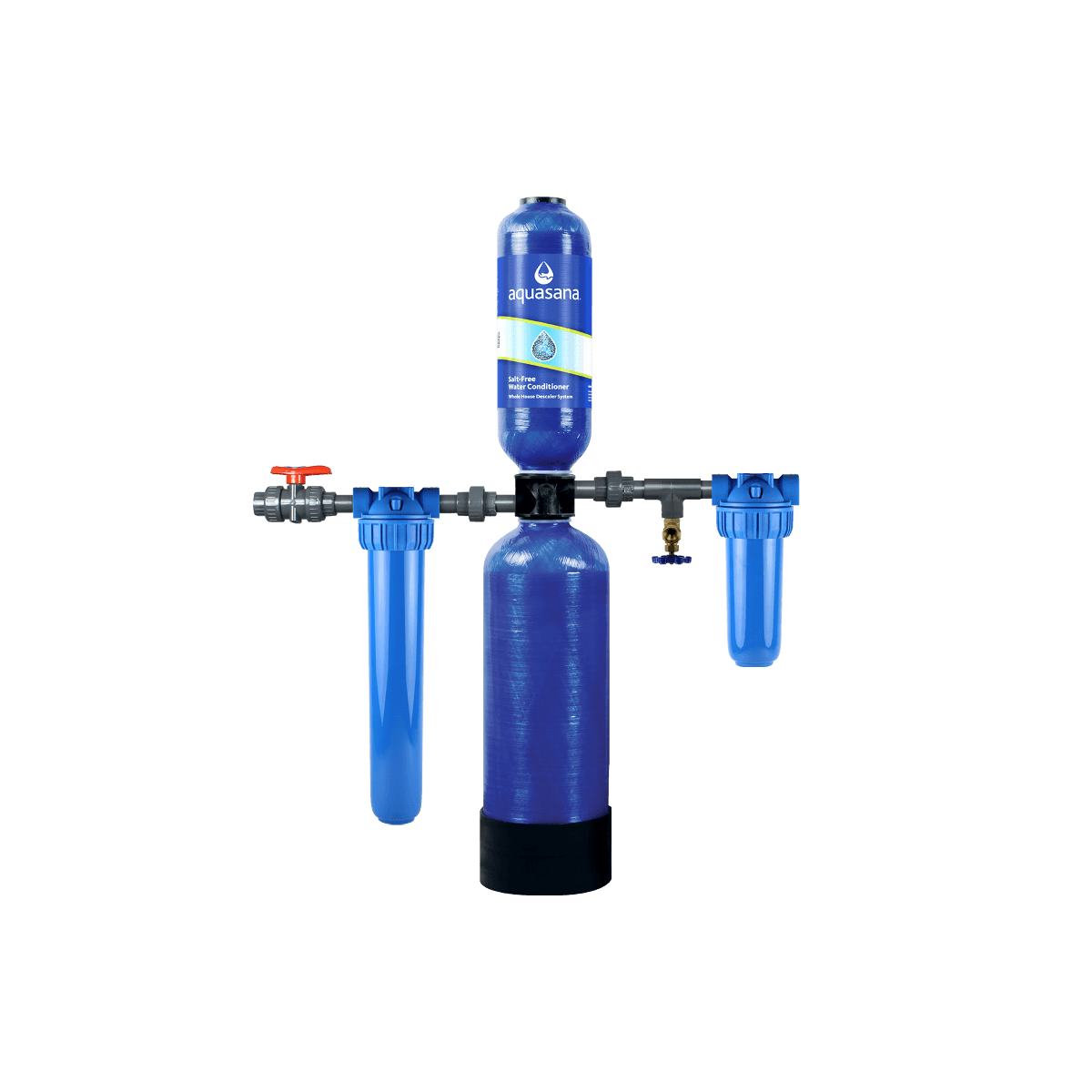

Instead of traditional salt softeners, Aquasana uses a salt-free descaler.
Why this matters
- No sodium added to water
- No electricity required
- Less scale buildup in pipes and appliances
This option appeals strongly to health-conscious parents and people managing blood pressure or sodium intake.
3. Whole House + UV Purification (Optional Add-On)
UV filtration adds protection against bacteria and microorganisms, which can be valuable for:
- Well water users
- Emergency preparedness
- Rural or aging infrastructure areas
Who Whole House Systems Are (and Aren’t) For
Ideal users
- Homeowners
- Families concerned about bathing water
- Preppers planning for long-term resilience
Not ideal for
- Apartment renters
- College students
- Temporary housing situations
That said, renters can still use this information to compare Aquasana’s technology against countertop or under-sink alternatives.
Quality and Performance Testing
This is where Aquasana stands out—and where marketing claims must meet reality.
What Aquasana Whole House Systems Filter
Depending on the configuration, Aquasana whole house systems reduce:
- Chlorine and chloramine
- Lead (at point of entry in some configurations)
- Mercury
- VOCs (volatile organic compounds)
- Pesticides and herbicides
Most systems are backed by NSF/ANSI certifications, which means third-party testing—not just manufacturer claims.
What They Do NOT Filter
For transparency, Aquasana whole house systems are not designed to remove:
- Dissolved salts
- Total Dissolved Solids (TDS)
- Heavy fluoride levels (without specialized add-ons)
If your primary concern is ultra-low TDS or desalination, reverse osmosis may be more appropriate—but that comes with water waste and mineral loss.
Flow Rate and Water Pressure
One major fear with whole house filtration is reduced water pressure.
Real-world performance
- Minimal pressure loss when properly sized
- No noticeable slowdown for showers or appliances
- Far better flow consistency than countertop systems
Compared to pitchers or faucet filters, whole house systems eliminate the “slow pour” frustration entirely.
How Does My Water Measure Up?
Before investing in a whole house system, it’s critical to understand your water source.
Step 1: Identify Your Water Type
- Municipal water: chlorine, chloramine, aging pipes
- Well water: sediment, bacteria, minerals
- Mixed sources: seasonal variations
Step 2: Review Local Water Reports
Look for:
- Chlorine levels
- Lead action levels
- PFAS notices
- Agricultural runoff indicators
Step 3: Match the System to the Problem
Aquasana whole house systems excel at:
- Chemical exposure reduction
- Skin and hair protection
- Appliance longevity
👉 Optional CTA: Download the Free Water Quality Checklist
Pricing and Value
Whole house filtration is a larger upfront investment—but the value equation is different.
Typical Cost Range
- Base whole house system: $$$
- With conditioner or UV: $$$$
- Professional installation: varies
While the initial cost is higher than countertop systems, replacement filters are typically required every 6–10 years, not every few months.
Long-Term Cost Perspective
Compared to pitchers or countertop filters
- Fewer replacements
- No recurring small expenses
- Protects plumbing and appliances
Compared to reverse osmosis
- No wastewater
- No electricity
- Lower maintenance complexity
👉 Primary CTA: Check Current Aquasana Pricing
Pros and Cons Summary
Pros
- Filters all water entering the home
- NSF-certified contaminant reduction
- No electricity required
- Improves skin, hair, and appliance lifespan
- Minimal impact on water pressure
Cons
- Not renter-friendly
- Higher upfront cost
- Does not reduce TDS or salt
- Installation required
How Aquasana Whole House Systems Compare
Many people researching a whole house system also consider countertop or under-sink options.
Key difference
- Countertop filters treat drinking water only
- Whole house systems treat every water source
👉 Secondary CTA: Compare Aquasana to Other Countertop Filters
This comparison often helps renters decide whether to invest now or plan for a future home upgrade.
Final Recommendation
So—is an Aquasana whole house system worth the investment?
For homeowners, families, and preparedness-focused buyers, yes—absolutely.
Aquasana delivers verified chemical filtration, whole-home coverage, and long replacement intervals without stripping beneficial minerals or wasting water. While not suitable for renters or temporary housing, it represents one of the most balanced whole house filtration options on the market.
If your priorities include:
- Long-term water safety
- Reduced chemical exposure
- Better showers, cleaner dishes, and longer-lasting appliances
…then Aquasana’s whole house systems are a strong, well-tested investment and a worthy upgrade from point-of-use filters.