
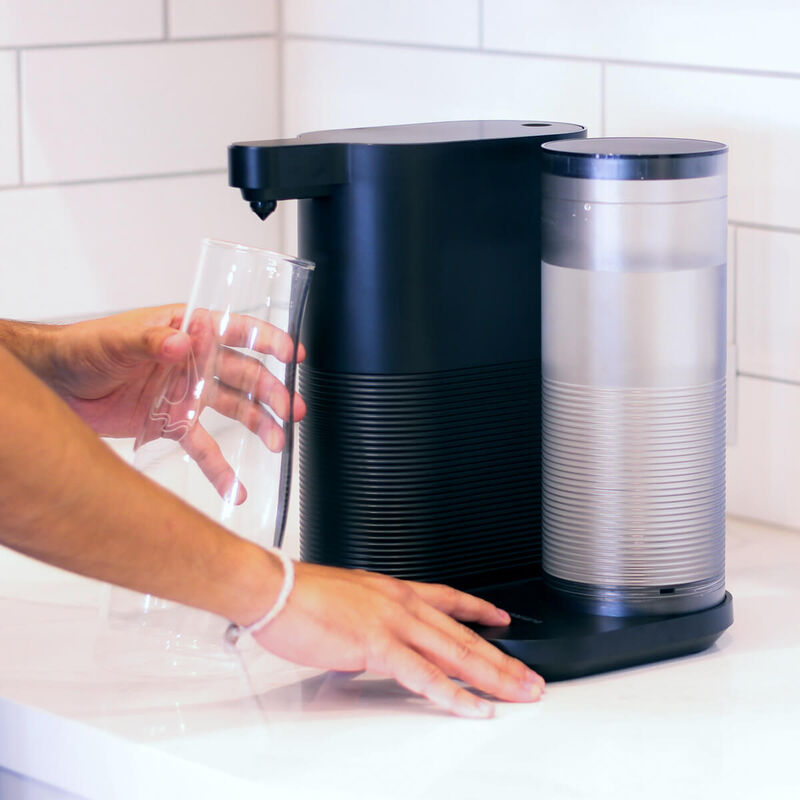
Clean, safe drinking water isn’t just a luxury anymore; it’s a baseline expectation, especially for families, renters, and anyone paying closer attention to what goes into their bodies. With concerns around chlorine, heavy metals, PFAS, and aging municipal infrastructure, more people are turning to filtration systems they can trust.
That brings us to this Aquasana review, a deep, practical look at whether Aquasana lives up to its reputation, who it’s best for, and where it falls short.
If you’re an apartment dweller short on space, a health-conscious parent worried about water quality, or a prepper thinking long-term resilience, this guide is written with you in mind.
Brand Overview and History
Aquasana was founded in 1997 in Austin, Texas, with a singular mission: to improve water quality without overcomplicating the process. Long before water filtration became mainstream, Aquasana focused on high-performance carbon filtration rather than reverse osmosis (RO), which strips water of beneficial minerals.
Key brand principles include:
- NSF-certified filtration standards
- Retention of healthy minerals like calcium and magnesium
- Long-term system durability over disposable gimmicks
- U.S.-based design and testing
Over the past two decades, Aquasana has expanded from under-sink systems into countertop, shower, whole-house, and portable filtration, making it a recognizable name across multiple lifestyles.
Product Range Analysis
Aquasana’s product lineup is broad, which is both a strength and a challenge. Let’s break down the major categories and who each one serves best.
Countertop Water Filters (Best for Renters)
Countertop filters are where Aquasana shines for renters and apartment dwellers. These systems:
- Attach directly to your faucet
- Require no permanent installation
- Filter chlorine, lead, mercury, pesticides, and VOCs
Who they’re best for
- Urban renters (25–40)
- College students
- Anyone who can’t modify plumbing
Limitations
- Takes up counter space
- Slower flow rate than tap water
Check Current Aquasana Countertop Pricing
Under-Sink Systems (For Long-Term Homes)
Under-sink models deliver higher capacity and faster flow but require light installation.
Pros
- Higher filtration volume
- Cleaner countertop aesthetic
- Long filter lifespan (up to 6 months–1 year)
Cons
- Not renter-friendly
- Installation may require tools or landlord approval
Whole House Water Filters (For Families & Preppers)

Whole-house systems filter all incoming water (drinking, bathing, laundry, and cooking.)
Why do people choose them?
- Protects plumbing and appliances
- Reduces chlorine exposure during showers
- Ideal for families with kids or sensitive skin
This category appeals strongly to preppers and long-term homeowners focused on resilience and water safety.
See Aquasana Whole House Systems
Shower Filters (Underrated but Valuable)
Shower filters remove chlorine and chloramine that can dry skin and damage hair.
Great for
- Families with young children
- People with eczema or sensitive skin
- Renters who want a fast upgrade
Water Pitchers (Portable, but Limited)
Aquasana pitchers are lightweight and portable, but face stiff competition.
Trade-offs
- Smaller capacity
- Frequent filter changes
- Not ideal for large households
Quality and Performance Testing
Aquasana’s filtration technology is built around activated carbon + catalytic carbon, not reverse osmosis.
What Aquasana Filters Remove
Depending on the system, Aquasana reduces or removes:
- Chlorine & chloramine
- Lead
- Mercury
- VOCs
- Pesticides & herbicides
- Some PFAS (model dependent)
Most systems are NSF/ANSI certified, which is critical. Certification means third-party testing (not marketing hype.)
Flow Rate Reality Check
One common complaint (and a legitimate one) is a slower flow rate compared to tap water.
- Countertop filters: noticeable slowdown
- Under-sink systems: moderate slowdown
- Whole-house systems: minimal impact
If speed matters more than filtration depth, this could be a drawback.
How Does My Water Measure Up?
Before choosing any filter, you should understand your baseline water quality.
Step 1: Check Your Local Water Report
Most municipalities publish annual Consumer Confidence Reports (CCR).
Step 2: Identify Your Risk Factors
- Older plumbing → higher lead risk
- Urban systems → chlorine/chloramine
- Agricultural areas → pesticides
Step 3: Match the Filter to the Problem
Aquasana excels at chemical contaminants, not dissolved salts or TDS (which RO systems target).
Download the Free Water Quality Checklist
Pricing and Value
Aquasana isn’t the cheapest brand (and it’s not trying to be.)
Typical Price Ranges
- Pitchers: $$
- Countertop systems: $$–$$$
- Under-sink systems: $$$
- Whole-house systems: $$$$
Filter Replacement Costs
This is a common pain point.
- Replacement filters can feel expensive upfront
- However, longer lifespan often offsets frequent replacements from cheaper brands
Value takeaway:
Aquasana prioritizes long-term quality over short-term savings.
Compare Aquasana to Other Countertop Filters
Pros and Cons Summary
Pros
- NSF-certified filtration
- No electricity required
- Retains beneficial minerals
- Strong options for renters
- Trusted brand history
Cons
- Slower flow rate on some models
- Higher upfront cost
- Replacement filters aren’t cheap
- Some systems take up counter space
Final Recommendation
So, is Aquasana worth the investment?
Yes, if:
- You value certified contaminant reduction
- You want a renter-friendly solution
- You’re protecting children or sensitive skin
- You’re thinking long-term water safety
Maybe not, if:
- You want the fastest flow possible
- You need ultra-low TDS water (RO systems)
- You’re on a tight budget
Overall, Aquasana delivers reliable, mineral-conscious filtration backed by testing, not hype. For renters, families, and preparedness-minded buyers, it remains one of the strongest non-RO water filtration brands on the market.