FDA Warning: Tejocote Root Weight-Loss Supplements Contain Toxic Yellow Oleander
This article contains affiliate links. If you purchase through one of these links, we may earn a commission at no extra cost to you. We only recommend products we believe in based on our own research and testing.
If you’re taking a “tejocote root” weight-loss supplement, the FDA wants you to stop and check it. On September 17, 2026, the agency updated its ongoing warning about tejocote root products that laboratory testing has found are actually adulterated or substituted with a toxic, unrelated plant: yellow oleander.
This is not a formal product recall. It’s a public health warning, and the distinction matters. The FDA is telling consumers directly to stop using these products while its investigation continues, rather than issuing a traditional recall notice for each one.
Here’s what you need to know, in plain terms: what the warning covers, why yellow oleander is dangerous, how to check whether your supplement is on the list, and what to do next.
What This Warning Covers
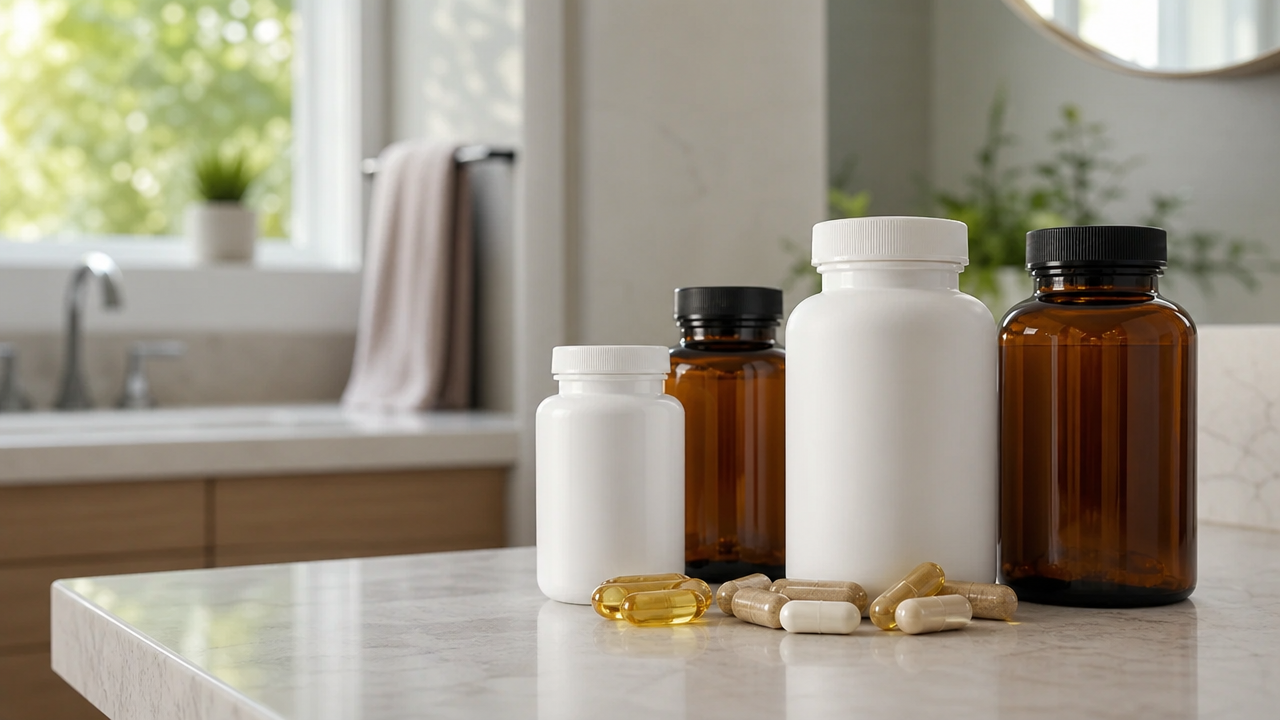
Tejocote root is marketed as a natural weight-loss aid. You may have seen it sold under names referencing “Raiz de Tejocote,” “Crataegus mexicana,” or “Mexican Hawthorn.” It’s popular in weight-loss supplement circles and is often marketed to Spanish-speaking consumers, sold online and in some retail and botanica settings nationwide.
The problem isn’t the marketing claims. It’s what’s actually inside the capsule or bottle. FDA testing has found that a growing list of these products, 33 as of the September 17, 2026 update, are contaminated or substituted with yellow oleander (Thevetia peruviana), a completely different and poisonous plant that closely resembles tejocote root.
Two newly named products in this update are “D Magic Plus” and “B. Magi.” The FDA also identified two products in the broader list that contained undisclosed drug ingredients on top of the yellow oleander contamination.
This isn’t a one-time finding. The FDA’s investigation traces back to a 2023 CDC report that first documented yellow oleander substitution in tejocote root products. Since then, the agency has continued testing more products and expanding its warning list as new contamination turns up.
Why It’s Dangerous
Yellow oleander is not a mild substitution. It contains cardiac glycosides, compounds similar to those found in the heart medication digoxin.
In a controlled medical dose, compounds like this can be therapeutic. Consumed unknowingly in an unregulated supplement, they’re a different story entirely.
The FDA states that yellow oleander can cause neurologic, gastrointestinal, and cardiovascular effects that may be “severe, or even fatal.” The cardiovascular risk, specifically dangerous heart rhythm changes, is the most serious concern.
This particular September 17, 2026 update does not cite specific illnesses or deaths tied to this round of findings. That doesn’t make the risk any less real: it’s exactly why the FDA continues to expand and update this warning as it tests more products.
How to Check Your Supplement
You cannot tell whether your supplement is contaminated just by looking at it. The label will still say tejocote root. It won’t say yellow oleander.
That’s what makes this warning worth taking seriously even if your particular bottle isn’t one of the two newly named products. Here’s how to check:
- Look at your supplement label for any reference to tejocote root, Raiz de Tejocote, Crataegus mexicana, or Mexican Hawthorn.
- Check specifically for “D Magic Plus” or “B. Magi,” the two products newly named in this September 17, 2026 update.
- Visit the FDA’s official warning page (linked below) for the current, full list of affected products and brand names, since the FDA has been adding to this list over time.
- If you’re unsure whether your specific product matches something on the list, treat it as a red flag rather than assuming it’s fine.
What to Do
If you have any tejocote root supplement, whether or not you can confirm it’s specifically named on FDA’s list, here’s what to do:
- Stop taking it. Don’t finish the bottle “just to see.”
- Don’t rely on the label alone to reassure you. That’s the entire problem with these products.
- Check the FDA’s current product list for your exact brand and product name.
- If you’ve been taking one of these supplements and are experiencing any symptoms, especially heart palpitations, irregular heartbeat, nausea, vomiting, or neurological symptoms like confusion or vision changes, contact a doctor or seek medical care right away.
- Consider reporting the product to FDA through its MedWatch adverse event reporting program if you experienced a reaction.
You can review the FDA’s full warning, including its current product list, directly at the FDA’s official alert page.
If you’re weighing weight-loss options more broadly and want a safer starting point, our guide on what a GLP-1 actually is covers a regulated, medically supervised alternative. And if you want to understand how supplement contamination issues like this one get caught and reported, our coverage of the Centric Compounding IV wellness recall walks through a similar process from a different corner of the supplement and wellness world.
Frequently Asked Questions
What is tejocote root?
Tejocote root comes from a small tree native to Mexico and Central America and is marketed as a natural weight-loss supplement. It’s sold under various brand names and is often labeled with terms like Raiz de Tejocote, Crataegus mexicana, or Mexican Hawthorn.
What is yellow oleander, and why is it dangerous?
Yellow oleander (Thevetia peruviana) is a poisonous plant that physically resembles tejocote root but is not the same plant. It contains cardiac glycosides, compounds similar to the heart medication digoxin, that can cause neurologic, gastrointestinal, and cardiovascular effects the FDA describes as potentially severe or fatal.
How do I know if my supplement is affected?
Check whether your product’s label references tejocote root, Raiz de Tejocote, Crataegus mexicana, or Mexican Hawthorn, then compare the exact brand and product name against the FDA’s current product list. Pay particular attention if your product is called “D Magic Plus” or “B. Magi,” the two products newly added in the September 17, 2026 update. Because the label won’t disclose the contamination, checking FDA’s list is the only reliable way to confirm.
Is this an official recall?
No. This is an FDA public health warning, not a formal product recall or enforcement action. The FDA is directly warning consumers to stop using these products and continues to test and add products to its list as its investigation proceeds.
What should I do if I’ve been taking one of these products?
Stop taking it. Don’t assume the label is accurate. Check the FDA’s product list for your specific brand, and if you feel unwell, especially with heart palpitations, irregular heartbeat, nausea, or neurological symptoms, contact a doctor or seek medical care right away.