
Eye Drops Recall: Check Your Bottle Before You Use It Again
This article contains affiliate links. If you purchase through one of these links, we may earn a commission at no extra cost to you. We only recommend products we believe in based on our own research and testing.
If you use over-the-counter eye drops, this is worth pausing on before your next dose.
Nearly 750,000 units of eye drop and eye ointment products, sold under the Walgreens, Cameron Pharmaceuticals, AvKare, Reliable-1 Laboratories, TRP The Relief Products, and Major brand names, have been recalled over concerns that the products may not be sterile.
That matters more than it might sound. Eye drops go directly onto one of the most sensitive, infection-prone parts of your body. A non-sterile drop isn’t just "less effective," it can introduce bacteria or fungus straight into your eye.
What Was Recalled
The recall covers roughly 747,844 units of eye lubricant drops, eye ointment, and hypertonicity solutions, manufactured by Sterling Pharmaceutical Services LLC and sold under multiple brand names, distributed nationwide. A related veterinary product (Puralube Vet Ointment) was recalled at the same time, covering about 57,848 packs.
The stated reason is lack of sterility assurance: the manufacturing process may not have reliably ensured the products were free of contamination. The FDA classified this as a Class II recall.
Because several brand names are involved, checking only the Walgreens-labeled bottle in your cabinet isn’t enough. Any of the affected brands could be sitting in your medicine cabinet.
Why This Recall Happened
Eye drops are classified as sterile products specifically because anything introduced into the eye bypasses the body’s normal defenses against infection.
If a batch isn’t reliably sterile, bacteria or fungus in the bottle can cause eye infections that range from mild irritation to serious, vision-threatening complications in more severe cases.
That risk is why the FDA treats sterility failures in eye care products as a significant safety concern, even when no injuries have yet been confirmed in this specific recall.
What To Do If You Have These Eye Drops
- Stop using any eye drops or ointment from the recalled brands immediately, even if you haven’t noticed any problem yet.
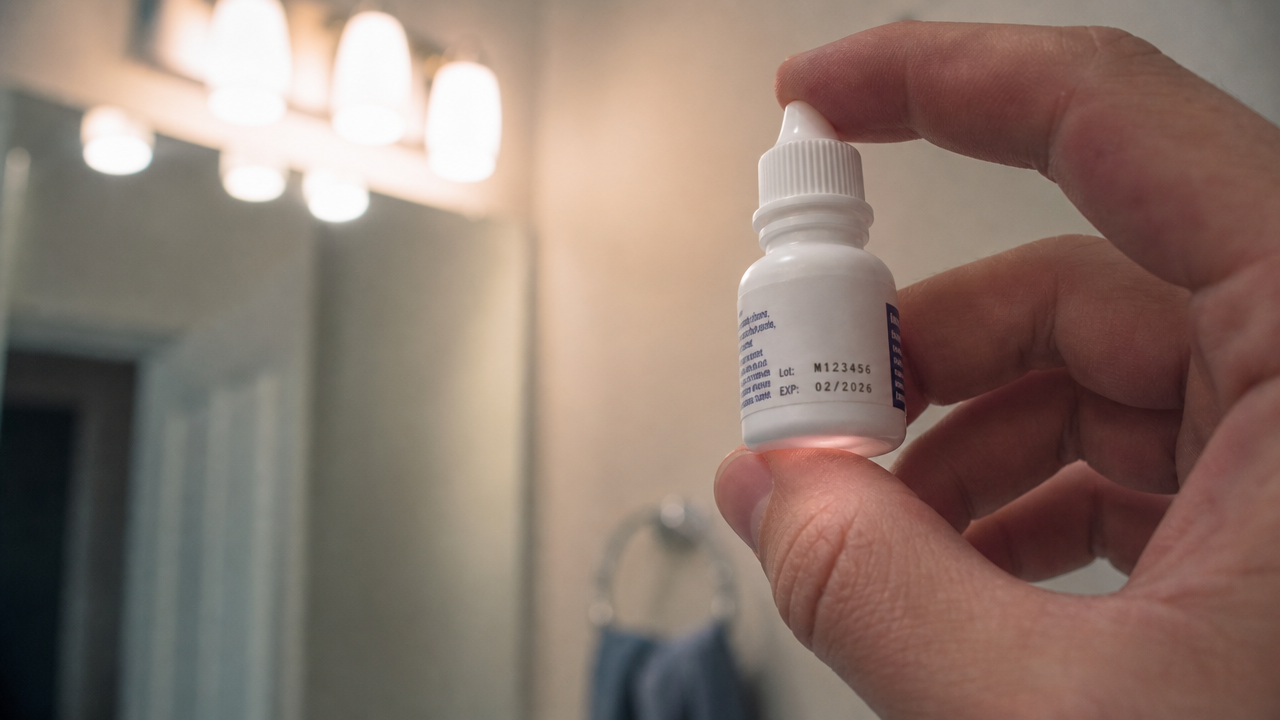
- Check the lot number on your bottle against the official recall notice (lots in the 3161-3336 range are affected).
- If your eyes are red, irritated, swollen, or painful after using one of these products, contact your doctor or an eye care provider right away. Don’t wait to see if it clears up on its own.
- Hold onto the bottle and your receipt if you plan to seek a refund.
Frequently Asked Questions
How do I know if my eye drops are part of the recall?
Check the brand name on the bottle against the recalled brand list (Walgreens, AvKare, Cameron Pharmaceuticals, Reliable-1 Laboratories, TRP The Relief Products, and Major), then compare your lot number to the official recall notice.
What’s the actual danger here?
The concern is that the drops may not be sterile, which can allow bacteria or fungus to enter the eye and cause infection. In serious cases, eye infections can threaten vision.
Is this the same as past eye drop recalls?
No. Eye drop sterility recalls happen periodically across different brands and manufacturers. This one was manufactured by Sterling Pharmaceutical Services LLC. Always check the specific brand names and lot numbers for this recall rather than assuming it matches an older one you’ve heard about.
What if I’ve already used the recalled drops with no problem?
Most people using a non-sterile product won’t develop a noticeable infection, but you should still stop using it and watch for any eye redness, pain, discharge, or vision changes in the days afterward.
Where were these products sold?
Reporting indicates nationwide distribution. Check the official recall notice for the complete list of retailers and states.
Related Reading
- Amazon Basic Care Acetaminophen Recall: Check Your Lot Number Now
- Centric Compounding Recall: IV Wellness Vials Pulled Over Endotoxin Risk
Sources
- FDA Recalls, Market Withdrawals & Safety Alerts
- News coverage reviewed: Hoodline, Rolling Out, WVNS-TV, Fox8, AllAboutLawyer.com (late September/early October 2026)