

How to Tell If Your Beef Is From the USA
This article contains affiliate links. If you purchase through one of these links, we may earn a commission at no extra cost to you. We only recommend products we believe in based on our own research and testing.
If you grabbed a pack of ground beef this week, there’s a real chance some of it came from another country. Tariff-free beef imports started arriving in September 2026, and most of it is headed for ground beef.
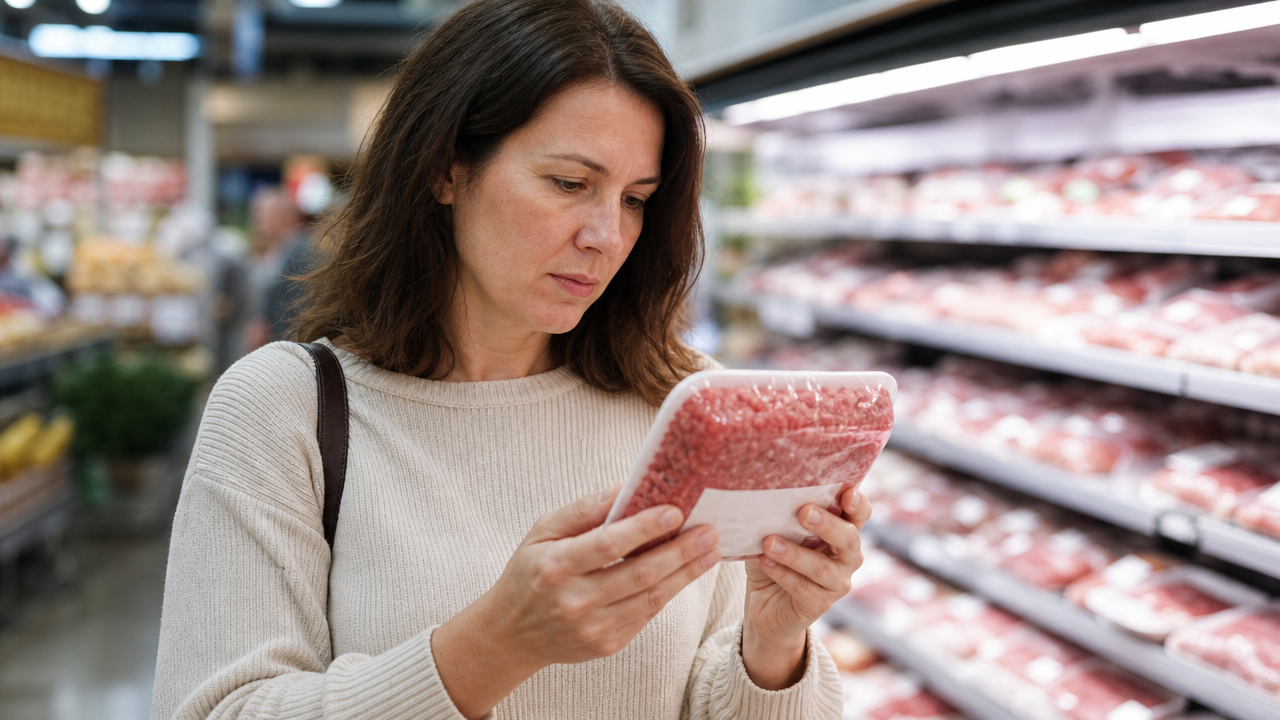
This guide is for the shopper standing in the meat aisle who wants to know exactly what she’s buying. You’ll learn which label words actually prove U.S. origin, which ones sound American but aren’t, and a 30-second check you can do before anything goes in your cart.
Key Takeaways
- “Product of USA” or “Made in the USA” on beef now means the animal was born, raised, slaughtered, and processed in the U.S. That rule took effect January 1, 2026.
- “Packed in USA” or “Processed in USA” does not mean the cow was American.
- The USDA inspection stamp and USDA grades (Prime, Choice, Select) say nothing about where the beef came from.
- Ground beef is the product most likely to contain imported meat.
- No label at all? You can’t assume it’s American. Origin labeling on beef is voluntary.
Why This Question Matters Right Now
In September 2026, the federal government waived tariffs on imported beef to lower grocery prices. According to Forbes, the plan covers about 300,000 metric tons over three months, coming from Brazil, Argentina, and a few other countries.
That’s roughly 2% of what Americans eat in a year. Small overall, but it’s concentrated in one place: lean beef trimmings used to make ground beef.
If you cook ground beef a few times a week for protein, origin matters most.
Is Country of Origin Required on Beef?
No. Mandatory country-of-origin labeling for beef and pork ended in December 2015 when Congress repealed it.
As Eric Mousel, an extension beef specialist at the University of Minnesota, told WCCO: “All meat labeling is actually voluntary.”
So, by law, a package with no origin claim isn’t hiding anything. It just isn’t telling you. That’s why knowing how to read the claims that do appear matters.
Labels That Prove Your Beef Is From the USA
These are the claims you can trust:
“Product of USA”
Under the USDA rule that took effect January 1, 2026, this means the animal was born, raised, slaughtered, and processed in the United States. Before 2026, it only meant the beef was processed here.
“Made in the USA”
This is the same standard as “Product of USA.” All four steps happened here.
“Born, Raised, and Harvested in the USA”
Some stores and brands spell it out this way. It tells you the full story in plain words.
American Grassfed Association (AGA) Certified
Forbes lists this certification as a reliable sign of U.S. beef. Note that “grass-fed” alone is not the same thing.
Quick tip: Look in the small print near the nutrition panel or the ingredient list. Origin claims are often there instead of on the front.
Labels That Sound American But Aren’t
These words trip most people up.
“Packed in USA” or “Processed in USA”
This only tells you where the meat was cut or packaged. The cattle could have been raised anywhere.
“Sliced and Packaged in the United States”
The new USDA rule allows claims like this, as long as they name the specific steps done here. If a label lists steps but skips “born” and “raised,” that’s your answer.
USDA Prime, Choice, or Select
These are quality grades based on marbling and tenderness. Imported beef handled in USDA-inspected plants can still be graded. A grade is not a passport.
Organic
Organic describes how the animal was raised and fed. It does not tell you what country it was raised in.
What the USDA Inspection Stamp Actually Tells You
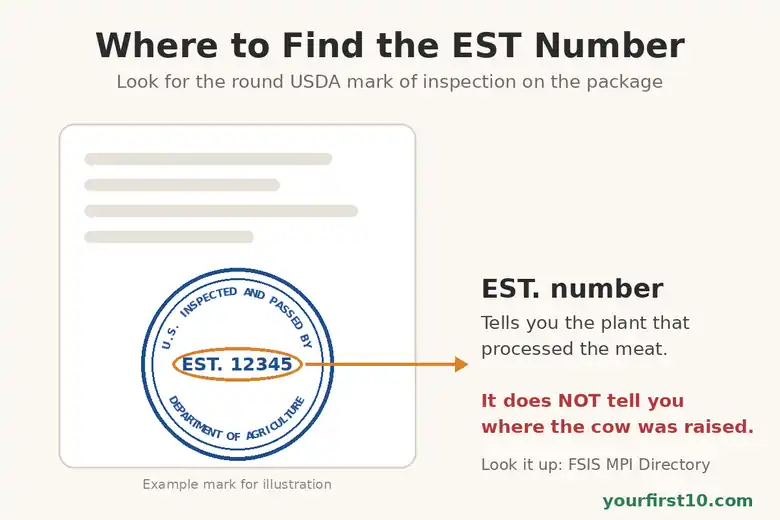
Every package of beef sold in the U.S. carries a round USDA mark of inspection. It means the meat passed a safety inspection. It does not mean the animal was American.
Inside that mark is a small code that starts with “EST.” followed by a number. That establishment number tells you which plant processed the meat.
You can look up the EST number in the USDA’s Meat, Poultry and Egg Product Inspection Directory (search “FSIS MPI Directory”). It’s also the number to check any time there’s a beef recall.
The stamp matters for safety, too. In one recent recall, USDA found meat sold with a fake inspection stamp. You can read how that happened in our Star Meat Delivery recall breakdown.
Why Ground Beef Is Most Likely to Be Imported
American cattle are mostly raised to produce well-marbled steaks. That means a lot of fatty trimmings and not enough lean ones.
To hit ratios like 90/10 or 93/7, processors blend in leaner beef, often from grass-fed herds overseas. Mousel explained it simply: they bring in leaner beef from other countries “and then they mix that as they grind the beef.”
So if you buy lean ground beef for weight loss, you’re shopping in the exact category where imports show up most.
A 30-Second Check in the Meat Aisle
Try this the next time you shop:
- Flip the package over and scan for “Product of USA,” “Made in the USA,” or “Born, Raised, and Harvested.”
- If you only see “Packed” or “Processed in USA,” assume the origin is unknown.
- Ignore the grade and the inspection stamp when you’re checking origin.
- Notice price. One registered dietitian told WCPO that if beef is marked down to $3.99 a pound, it’s fair to ask why.
- Still unsure? Ask the meat counter. They can often see the supplier info.
Other Ways to Buy Beef You Can Trace
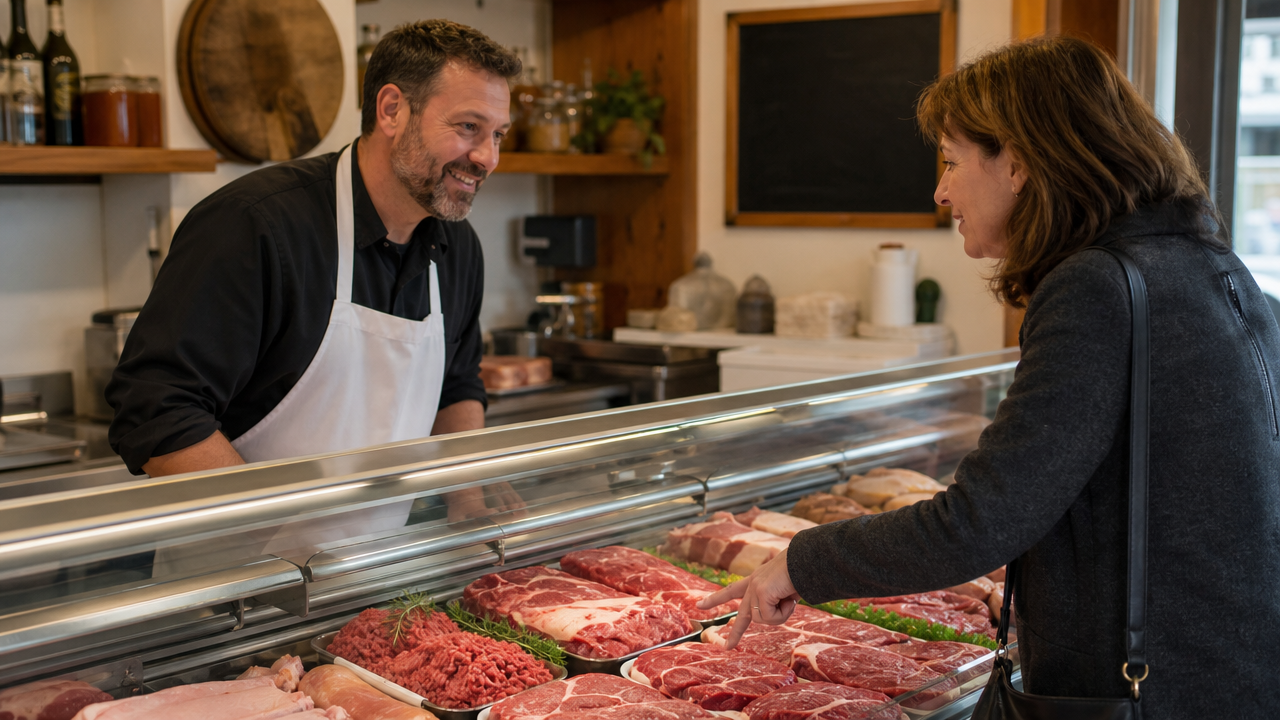
A local butcher shop is one of the easiest ways to know where your beef comes from. Staff can usually tell you the farm or supplier by name.
Other options worth a look:
- Buying a quarter or half cow from a local farm and splitting it with friends or family
- Farmers markets, where you can talk to the rancher directly
- Store brands that print the full “born, raised, and harvested” claim on the package
These can cost more up front. A bulk share usually brings the per-pound price down, and a freezer full of lean protein makes weeknight meals much easier. If protein is your focus right now, our Lean Into Protein challenge is a simple place to start.
Frequently Asked Questions
Does “Product of USA” on beef mean it’s 100% American?
Yes, for beef labeled after January 1, 2026. The animal must be born, raised, slaughtered, and processed in the U.S. to use that claim.
Is imported beef unsafe?
Imported beef must come from countries USDA has approved, and it’s reinspected at the border. The debate around imports is mostly about standards, traceability, and support for U.S. ranchers, not a known safety problem.
Is grass-fed beef always American?
No. A lot of grass-fed beef sold in the U.S. is imported. Look for an origin claim or AGA certification along with “grass-fed.”
Why doesn’t my ground beef list a country at all?
Because origin labeling on beef is voluntary. No claim means the label simply isn’t telling you.
Will tariff-free imports make beef cheaper?
Economists quoted by Forbes and WCPO aren’t convinced. Retailers aren’t required to pass savings on, so prices may not change much.
Bottom Line
The only labels that prove your beef is from the USA are “Product of USA,” “Made in the USA,” or a claim that spells out born, raised, and harvested here. Everything else, including the USDA stamp and grades, tells you about safety or quality, not origin.
Take 30 seconds to flip the package before it goes in your cart. Your family’s protein is worth knowing about.
Want to stay ahead of meat and food safety issues? Check our latest food recalls and see how one imported product landed on the list in our pork guanciale recall report.


