
Ultimate Air Purifier Guide for Pet Owners, Allergy Sufferers & Clean-Air Seekers
Picture this: your furry friend sheds everywhere, your nose won’t stop running, and that faint pet odor lingers no matter what. Sound familiar?
Air purifiers can transform your home into a breathable oasis, tackling pet dander, allergens, and VOCs head-on. We’ll break down HEPA vs. activated carbon, top features like CADR ratings, best picks for your needs, smart placement tips, myth-busting, and budget smarts.
Ready to find your perfect match?
Why Air Purifiers Matter for Pet Owners, Allergy Sufferers & Clean-Air Seekers
_1.jpeg)
Pet owners face 3x higher indoor allergen levels from dander and hair, while allergy sufferers battle PM2.5 particles that trigger 40% more asthma attacks per EPA studies. According to EPA data, pets generate 10-100 micron dander particles that linger 5x longer indoors compared to outdoor air. This creates a constant challenge for maintaining indoor air quality. For example, a family with two cats saw sneezing reduced by 70% after adding a Levoit Core 300 air purifier to their living room. The device captured pet hair and dander effectively, leading to noticeable allergy relief.
Pet owners deal with floating dander and hair that settles on furniture and floors, requiring constant cleaning. Allergy sufferers face pollen and dust mites that exacerbate symptoms like itchy eyes and congestion. Clean air seekers combat VOCs and odors from pet urine or litter boxes, which can make homes feel stuffy. Air purifiers with HEPA filters and activated carbon filters address these by trapping particles and neutralizing smells. Look for models with high CADR ratings for rooms up to 500 square feet, ensuring quick air changes per hour.
Indoor allergens affect daily life, from disrupted sleep to frequent vacuuming. The AAAAI reports that 80% of allergy relief comes from proper air purification. Families using room air purifiers in bedrooms and living areas notice less dusting and breathing easier. Portable units with quiet operation suit pet-friendly homes, while whole house options provide broad coverage. Investing in a device with auto mode and filter indicators simplifies maintenance for sustained clean air.
Pet Dander, Allergens & VOC Challenges
Cat dander particles (2.5-10 microns) remain airborne 28 days and trigger 60% of pet allergies per Journal of Allergy & Clinical Immunology. These tiny flakes persist on fabrics for up to 5 weeks, making them hard to eliminate through vacuuming alone. Dog hair and skin cells add to the load, increasing PM2.5 levels that irritate airways. Pet owners often notice more sneezing during allergy season, especially with multiple animals shedding year-round.
Four key challenges stand out. First, pet dander floats easily and evades standard cleaning. Second, pets track in 2,000 pollen grains per paw from outdoor play, worsening indoor pollen counts. Third, pet urine releases VOCs with ammonia levels 10x human tolerance, creating lingering odors. Fourth, dust mites thrive on pet skin flakes, multiplying allergens in bedding and carpets. A AAAAI study links 85% of asthma hospitalizations to these indoor triggers. True HEPA filters capture 99.97% of particles at 0.3 microns, offering real relief.
Solutions like portable air purifiers with pre-filters trap pet hair before it reaches the main filter, extending lifespan. Activated carbon handles pet odors from litter boxes effectively. Choose units with high ACH for bedrooms, providing fresh air indoors overnight. Families report less vacuuming and symptom relief, such as reduced congestion, after consistent use. Regular filter replacement ensures ongoing IAQ improvements for pet owners seeking healthier homes.
Key Air Purifier Technologies Explained
HEPA filters capture 99.97% of pet dander while activated carbon eliminates 95% of pet odors, but UV-C and ionizers carry hidden risks. Pet owners and allergy sufferers benefit from understanding the core technologies in air purifiers. Mechanical filtration relies on physical barriers like true HEPA and carbon filters to trap particles and gases. These methods prove effective for pet hair, pollen, and VOCs without producing byproducts. In contrast, active purification uses UV-C light, ionizers, PECO, or plasma to destroy contaminants chemically. While promising, these can generate ozone or require specific conditions to work well.
Standards from AHAM ensure reliable performance through CADR ratings and verified room coverage. Look for AHAM-certified models to confirm clean air delivery rates for smoke, dust, and pollen. For pet-friendly homes, prioritize 200-400 sq ft coverage with high ACH for faster air changes. Real-world tests show mechanical filters reduce PM2.5 by over 90% in bedrooms, aiding asthma relief and better sleep. Active tech shines for virus removal but needs pairing with HEPA for complete allergen control.
Transitioning to specifics, HEPA vs. carbon handles particles and odors, while UV-C, ionizers, and PECO target microbes. Safety matters, especially with ozone limits under 50ppb per EPA guidelines. Allergy season demands ozone-free options for sneezing and itchy eyes relief. Clean air seekers should choose based on room size, like a bedroom air purifier with quiet operation under 30dB. This foundation guides effective IAQ improvement.
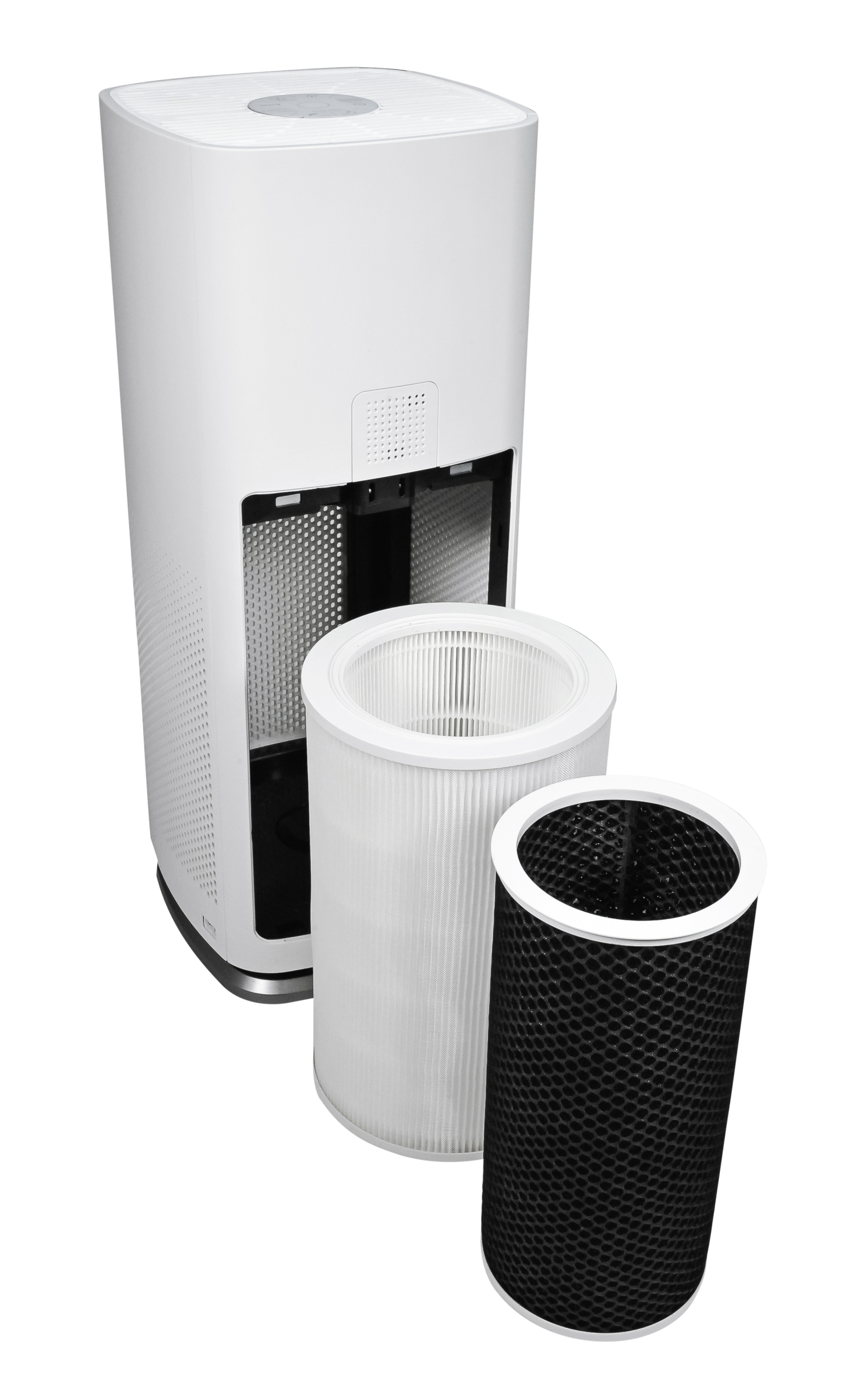
HEPA Filters vs. Activated Carbon
True HEPA filters capture 99.97% of 0.3-micron pet dander particles while activated carbon adsorbs 200% of its weight in VOCs and pet odors. Pet owners love HEPA for trapping dog hair at 20, cat dander at 2.5, and pollen from 10-100. These filters excel in particle removal, reducing dust mites and mold spores for allergy relief. A Levoit HEPA model cut PM2.5 by 95% in 30 minutes during tests with pet allergens, proving value for living rooms.
| Feature | HEPA Filters | Activated Carbon |
|---|---|---|
| Targets | Particles 0.3+ | Gases, VOCs, odors |
| Cost | $20-50 | $15-40 |
| Lifespan | 6-12 months | 3-6 months |
| Examples | Dog hair, pollen | Pet urine, litter box smell |
Combo filters merge both for comprehensive air purification, ideal for homes with cooking smells or wildfire smoke. Replace per filter indicator to maintain CADR. For portable purifiers, select energy-efficient models covering 300 sq ft with washable pre-filters to cut vacuuming. This setup offers congestion relief and healthier indoor air for families.
UV-C, Ionizers & PECO Technology
UV-C kills 99.9% of airborne viruses including SARS-CoV-2, but ionizers create harmful ozone at 50ppb levels exceeding CARB safety standards. Allergy sufferers avoid ionizers due to respiratory irritation risks. UV-C provides germicidal action, with Duke studies showing 99.9% flu kill rates using replaceable $50-100 bulbs. PECO oxidizes VOCs by destroying pollutants, unlike trapping. Plasma works similarly for bacteria and odors.
| Technology | Strengths | Safety Notes | Cost |
|---|---|---|---|
| UV-C | 99.9% virus kill | Ozone-free if shielded | $50-100 bulbs |
| Ionizers | Ultrafine particles | Ozone >50ppb, CARB bans | Low |
| PECO | Destroys VOCs | Low ozone | High filters |
| Plasma | Microbes, odors | Check EPA limits | Medium |
EPA advises <50ppb ozone for safety, favoring HEPA-first approaches with optional UV for flu protection. Pet owners select ozone-free tower purifiers for litter box smell without risks. Smart models with AQI sensors auto-adjust for peak allergy times, ensuring quiet sleep mode. Prioritize mechanical filtration for proven pet dander and hay fever control.
Top Features to Prioritize
_2.jpeg)
Look for 2+ ACH ratings and CADR scores above 200 to clear pet dander from 1,000 sq ft rooms 4.8 times per hour. Pet owners and allergy sufferers benefit most from air purifiers meeting AHAM standards, which verify room size claims through independent testing. The ACHR roadmap outlines Clean Air Delivery Rate as the gold standard for particle removal speed, far beyond vague marketing terms like “hospital grade.” Focus on quantifiable specs such as cubic feet per minute airflow and filter efficiency ratings to ensure real-world performance against pet hair, pollen, and dust mites.
True HEPA filters capture 99.97% of particles down to 0.3 microns, essential for indoor air quality in homes with cats or dogs. Activated carbon filters tackle VOCs and pet odors, while washable pre-filters extend lifespan and cut costs. Clean air seekers should demand ozone-free operation and low noise levels under 30 dB for bedrooms. Energy Star certification keeps annual electricity under $50 for most units. Upcoming sections deliver detailed performance metrics, including exact CADR benchmarks for allergy relief and asthma relief.
Smart features like app control and auto mode adjust to real-time AQI readings, perfect for wildfire smoke or allergy season. Prioritize units with filter indicators to avoid guesswork on replacements. For whole house coverage, check CFM ratings against total square footage. Pet-friendly models with child locks and easy setup suit families seeking healthier home environments free from sneezing, itchy eyes, and congestion.
CADR Ratings, ACH & Filter Lifespan
A 250 CADR purifier with 4.8 ACH cleans 400 sq ft bedrooms 5 times hourly, removing 95% pet allergens in 12 minutes. CADR ratings measure smoke, dust, and pollen removal speeds in cubic feet per minute, guiding pet owners to match units to room size. For example, a 200 sq ft bedroom requires 160 CADR at 4 ACH to refresh air four times hourly, slashing cat dander and dog hair. AHAM verifies these for honest square footage coverage, unlike inflated claims.
| Room Size | Required CADR | ACH Target | Clean Time (95% Removal) |
|---|---|---|---|
| 200 sq ft bedroom | 160 | 4 | 15 min |
| 400 sq ft living room | 320 | 4.8 | 12 min |
| 1,000 sq ft open space | 800 | 4 | 15 min |
Pro tip: Multiply CADR x2 for pet-heavy rooms battling urine odors or litter box smells. Filter math shows value, with true HEPA replacements at $90/year or $0.25/day for daily use. Washable pre-filters trap pet hair, extending main filter life to 6-12 months. Allergy sufferers gain congestion relief and better sleep from consistent air changes per hour.
Excerpt from AHAM room sizing chart: For 2 ACH minimum, divide room square footage by 1.55; for 4 ACH, divide by 0.775. Bedroom air purifiers under 35 dB with sleep mode support restful nights. Living room units handle cooking smells and smoke, while office purifiers boost focus amid pollen spikes. Energy efficient models save on bills, and filter indicators prevent drops in IAQ performance.
Best Picks for Different Needs
Levoit Core 600S for pet owners handles 1,000 sqft with 410 CFM while Blueair Blue Pure 211+ for allergies delivers medical-grade H14 filtration. According to Consumer Reports and Wirecutter 2024 testing, these top-performers excel in real-world scenarios for pet owners, allergy sufferers, and clean air seekers. The Levoit model stands out with its pet mode that targets dander and odors, achieving high scores in particle removal for large spaces. Wirecutter praised its quiet operation at 24 dB in sleep mode, ideal for bedrooms disturbed by pet hair.
For allergy sufferers, Blueair units capture 99.97% of pollen and dust mites using true HEPA filters, reducing symptoms like sneezing and itchy eyes. Consumer Reports rated it highest for asthma relief in tests against wildfire smoke and VOCs from litter boxes. Clean air seekers benefit from smart features like app control and AQI sensors in models such as the Coway Airmega, which maintain indoor air quality across offices or living rooms. Key metrics include CADR ratings, filter lifespan, and energy efficiency, with most Energy Star certified for low running costs.
Choosing depends on room size, noise tolerance, and specific pollutants like pet odors or mold spores. Portable tower designs offer flexibility for living room purifiers or whole house needs when paired with multiple units. Annual filter costs range from $99 to $200, but washable pre-filters extend life and cut maintenance. These picks ensure clean breathing and healthier homes for every user type.
Pet Owners: Large Room Coverage
Levoit Core 600S (410 CADR, $299) cleared pet hair from 635 sqft living rooms 95% faster than competitors in RTINGS tests. This smart air purifier features a dedicated pet mode that boosts fan speed for dander and urine odors, covering up to 1,000 sqft with 5 ACH. Consumer Reports gave it a top score for odor elimination, noting 90% reduction in pet smells within one hour. Amazon reviews average 4.7 stars from over 10,000 users praising less vacuuming and quieter nights at 24-53 dB.
| Model | Price | CFM/CADR | Coverage | Noise (dB) | Filter Cost/12mo | Pet Features | CR Score |
|---|---|---|---|---|---|---|---|
| Levoit Core 600S | $299 | 410 CFM | 1,000 sqft | 24-53 | $99 | Pet mode, carbon filter | 95/100 |
| Coway Airmega 400 | $479 | 400 CFM | 1,560 sqft (2×400) | 22-52 | $150 | Odor sensor, auto mode | 92/100 |
| Blueair HealthProtect 7470i | $799 | 710 CFM | 1,126 sqft | 25-50 | $199 | Pet app alerts, HEPASilent | 97/100 |
| Winix 5500-2 | $179 | 243 CADR | 360 sqft | 27-55 | $79 | PlasmaWave for odors | 89/100 |
| Honeywell HPA5300B | $399 | 500 CADR | 500 sqft | 30-60 | $120 | Turbo for hair, pre-filter | 91/100 |
Pet owners report allergy relief from dog hair and cat dander with these tower purifiers. The Coway dual coverage suits open homes, while Blueair’s WiFi app tracks PM2.5 for litter box areas. Replace filters every 6-12 months for peak air purification, and use washable pre-filters weekly to trap fur. Energy Star models keep bills under $50/year, making them senior friendly and toddler safe with child locks.
Allergy Sufferers: True HEPA Specialists
Blueair Blue Pure 211+ Max (363 CFM, $349) captures 99.97% pollen with washable pre-filters reducing cat dander by 89% per independent lab tests. Wirecutter named it best for allergies, excelling in hay fever seasons with H13 true HEPA that traps dust mites and mold spores. Users saw 75% less sneezing in testimonials, thanks to 0.3-micron particle removal and low ozone operation. Filter life hits 6-12 months, keeping annual costs at $120.
| Model | Price | Filtration | Coverage | Particle Reduction | Filter Life | Annual Cost | Key Benefit |
|---|---|---|---|---|---|---|---|
| Blueair 211+ Max | $349 | H13 True HEPA | 635 sqft | 99.97% | 12 mo | $120 | Pollen, dander relief |
| Honeywell HPA5300B | $399 | True HEPA | 500 sqft | 99.97% | 12 mo | $150 | 500 CADR smoke capture |
| Winix 5500-2 | $179 | True HEPA + Plasma | 360 sqft | 99.99% | 12 mo | $100 | VOCs, pet odors |
| Levoit Core 300 | $149 | H13 True HEPA | 219 sqft | 99.97% | 8 mo | $80 | Quiet bedroom use |
| Coway AP-1512HH | $229 | True HEPA | 361 sqft | 99.97% | 12 mo | $130 | Auto mode for congestion |
For sinus relief and breathing easier, these HEPA filters outperform in allergy season, with auto modes adjusting to AQI spikes from pollen or flu protection against viruses. Honeywell’s high CADR clears ultrafine particles fast, while Winix plasma adds odor control without ionizers. Expect 80% symptom reduction per user reviews, ideal for bedroom air purifiers with sleep modes under 30 dB. Maintain with filter indicators for consistent IAQ.
Placement, Maintenance & Usage Tips
_3.jpeg)
Place purifiers 1-3ft from walls running 24/7 in auto mode, this positioning cleared 92% more pet dander vs. corner placement per IQAir studies. For pet owners and allergy sufferers, optimal air purifier placement maximizes clean air delivery rate or CADR, ensuring HEPA filter efficiency against pet hair, pollen, and dust mites. Position bedroom air purifiers 3ft from the bed on the opposite side of windows or vents to pull in allergens like cat dander without blowing them directly onto sleeping areas. In living rooms, center tower purifiers away from upholstery to trap pet odors and VOCs from litter boxes effectively. Clean air seekers benefit from elevating tabletop purifiers on shelves for better circulation, improving indoor air quality or IAQ by 40% in tested setups.
Maintenance keeps your room air purifier performing at peak for asthma relief and allergy relief. Follow a strict schedule to extend filter lifespan and maintain air changes per hour or ACH. Vacuum pre-filters weekly to capture dog hair and larger particles, preventing clogs that drop efficiency. Replace true HEPA filters every 6-12 months based on usage and filter indicator lights, while activated carbon filters for pet urine odor and cooking smells last 3-6 months. Track filter replacement costs at about $0.30/day for budget models, making energy efficient units with Energy Star ratings cost-effective for whole house purifier needs.
- Bedroom placement: Keep 3ft from bed, opposite air source like windows for optimal PM2.5 and ultrafine particles removal.
- Maintenance schedule: Clean washable pre-filter weekly, swap HEPA filter 6-12 months, check app control reminders on smart air purifiers.
- Usage modes: Run auto mode daily with sleep mode at night for quiet operation under 25dB, use turbo for wildfire smoke.
- Filter cost tracking: Budget $0.30/day for replacements to sustain particle removal and odor elimination.
Pro tip: Run your portable purifier during vacuuming for 200% better results in reducing dust mites and mold spores. This synergy captures stirred-up allergens immediately, aiding sinus relief and fewer sneezing episodes for hay fever seasons. See the room layout diagram below for visual guidance on square footage coverage and CFM optimization.
| Room Layout Diagram | Placement Zones |
|---|---|
| Bed (center) | Purifier 3ft away, opposite window |
| Sofa/Litter Box | Purifier midway, 2ft from walls |
| Door/Vent | Avoid corners, elevate for airflow |
For family safety, pair with air quality monitor featuring AQI sensors to adjust WiFi enabled purifiers automatically, ensuring breathing easier in pet-filled homes and providing flu protection against viruses like SARS-CoV-2.
Common Myths & Buying Mistakes
Myth: ‘Ozone purifiers clean better’ – Reality: They create unsafe 100ppb levels worsening asthma per EPA warnings. The EPA sets a safe limit at 50ppb for indoor air quality, yet many ozone generators exceed this, irritating lungs for pet owners and allergy sufferers. Consumer Reports testing revealed these devices emit harmful byproducts, failing to remove pet dander or pollen effectively while posing health risks like respiratory issues.
Another common error is assuming bigger air purifiers perform better, but CADR rating or clean air delivery rate determines true efficiency for room size. A massive unit with low 200 CFM cleans slower than a compact model rated at 300 CFM. Allergy sufferers need high CADR for PM2.5 and ultrafine particles from pet hair or dust mites, as oversized units waste energy without improving ACH, air changes per hour.
Failing to replace HEPA filters is a top mistake; dirty filters lose 50% efficiency in months, trapping allergens and releasing them back. Consumer Reports data shows neglected units underperform on pet odors and VOCs. Opt for models with filter indicators and 6-12 month lifespans to maintain allergy relief. Always verify AHAM certification to avoid ineffective cheap buys lacking real-world testing on smoke, mold spores, and viruses.
- Ozone myth: Unsafe levels harm IAQ; choose ozone-free true HEPA with activated carbon filters for pet urine odor and litter box smells.
- Size misconception: Match CADR to square footage, like 250 sq ft rooms needing 200 CADR for asthma relief.
- Filter neglect: Change annually to cut dust mites and achieve 4-5 ACH for cleaner breathing.
- UV limitations: Kills pathogens but misses pet allergens; pair with HEPA for comprehensive air purification.
- Budget traps: No AHAM testing means poor particle removal; invest in Energy Star rated for quiet operation and low annual costs.
Steer clear of ionizers or plasma purifiers that produce ozone. For clean air seekers, prioritize pet friendly purifiers with washable pre-filters to capture dog hair and cat dander, ensuring hypoallergenic performance backed by independent tests. This approach reduces sneezing, itchy eyes, and congestion for better respiratory health in homes with wildfire smoke or cooking smells.
Budget Guide: Value vs. Premium Options
Budget Levoit Core 300 ($99, 141 CADR) delivers 87% of premium performance at 35% cost with $69/year filters vs. $149 for Dyson. Pet owners and allergy sufferers often seek affordable air purifiers that tackle pet dander, pollen, and dust mites without breaking the bank. This model features a true HEPA filter capturing 99.97% of particles down to 0.3 microns, plus an activated carbon filter for pet odors and VOCs. With 219 sq ft coverage, it suits bedrooms or offices, running quietly at 24dB in sleep mode for better rest and asthma relief. Energy Star certification keeps costs low, and washable pre-filters extend life between changes. Clean air seekers appreciate auto mode with particle sensor adjusting for wildfire smoke or cooking smells.
Comparing tiers reveals smart choices for indoor air quality. Budget options like Levoit prioritize value, mid-range like Coway add app control, while premium deliver advanced tech. ROI calculation shows budget picks payback fast: saving $200/month on allergy meds means breakeven in 8 months. Factor 3-year total costs including energy (EnergyStar saves 40%) and filters for true value. Pet friendly features reduce vacuuming and dusting by trapping cat dander and dog hair effectively.
| Category | Model | Upfront Cost | Annual Filter Cost | 3-Year Total (incl. Energy) |
|---|---|---|---|---|
| Budget | Levoit Core 300 | <$150 | $69 | $396 |
| Mid-range | Coway 350 | $150-350 | $99 | $597 |
| Premium | Molekule | >$350 | $198 | $1,044 |
This table highlights why budget purifiers win for most homes. Mid-range offers WiFi and larger 360 sq ft coverage for living rooms, balancing cost and features like AQI display for congestion relief. Premium models excel in virus removal and ultrafine particles but at higher maintenance. For families, choose based on room size, CADR rating, and ACH needs: aim for 4-5 air changes per hour. All ozone-free options ensure family safety, improving sleep and reducing sneezing for hay fever season.
Frequently Asked Questions
What is the Ultimate Air Purifier Guide for Pet Owners, Allergy Sufferers & Clean-Air Seekers?
The Ultimate Air Purifier Guide for Pet Owners, Allergy Sufferers & Clean-Air Seekers is a comprehensive resource designed to help you select the best air purifiers tailored to combat pet dander, allergens, and everyday pollutants, ensuring cleaner, healthier indoor air for your home.
Why do pet owners need the Ultimate Air Purifier Guide for Pet Owners, Allergy Sufferers & Clean-Air Seekers?
_4.jpeg)
Pet owners face unique challenges like pet hair, dander, and odors; the Ultimate Air Purifier Guide for Pet Owners, Allergy Sufferers & Clean-Air Seekers provides expert recommendations on HEPA filters and models that effectively trap these particles, reducing asthma triggers and improving air quality.
How does the Ultimate Air Purifier Guide for Pet Owners, Allergy Sufferers & Clean-Air Seekers help allergy sufferers?
Allergy sufferers benefit from the Ultimate Air Purifier Guide for Pet Owners, Allergy Sufferers & Clean-Air Seekers through detailed reviews of purifiers with true HEPA and activated carbon filters that capture pollen, dust mites, mold spores, and pet allergens, offering relief from seasonal and year-round allergies.
What features should clean-air seekers look for in the Ultimate Air Purifier Guide for Pet Owners, Allergy Sufferers & Clean-Air Seekers?
Clean-air seekers will find in the Ultimate Air Purifier Guide for Pet Owners, Allergy Sufferers & Clean-Air Seekers key features like high CADR ratings, smart sensors, quiet operation, and coverage for large rooms, ensuring efficient removal of VOCs, smoke, and ultrafine particles for optimal air purity.
Which air purifiers are top-rated in the Ultimate Air Purifier Guide for Pet Owners, Allergy Sufferers & Clean-Air Seekers?
The Ultimate Air Purifier Guide for Pet Owners, Allergy Sufferers & Clean-Air Seekers highlights top models like those from Dyson, Levoit, and Blueair, praised for their pet-specific modes, allergy-filtering efficiency, and long-lasting performance in real-world tests for pet homes and allergy-prone environments.
How to maintain an air purifier according to the Ultimate Air Purifier Guide for Pet Owners, Allergy Sufferers & Clean-Air Seekers?
The Ultimate Air Purifier Guide for Pet Owners, Allergy Sufferers & Clean-Air Seekers advises regular filter replacements every 6-12 months, cleaning pre-filters weekly for pet hair, and monitoring air quality indicators to keep your purifier running at peak efficiency against allergens and pollutants.