

Tracking Portions for Real Results: Your Path to Losing 10 Pounds
Losing weight doesn’t have to mean strict dieting or depriving yourself of your favorite foods. For many, portion control is a more sustainable approach that can yield impressive, long-term results without sacrificing the foods they love.
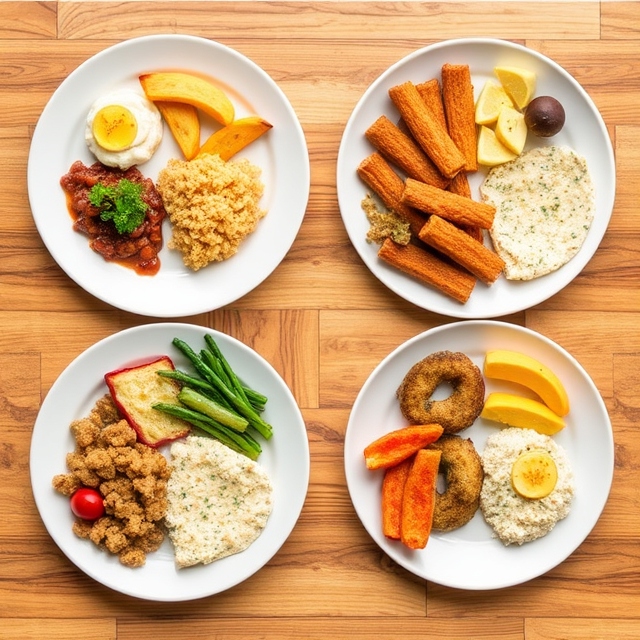
If you’re aiming to lose around 10 pounds and build healthier eating habits, learning to track portions could be the game-changer you need. Let’s explore why portion control works, how to implement it effectively, and expert-backed tips to make your weight-loss journey enjoyable and rewarding.
Why Portion Control is Key to Sustainable Weight Loss
Hitting the Right Caloric Balance
The primary principle behind weight loss is simple: consume fewer calories than your body uses. However, it’s all too easy to overlook how calorie-dense certain foods can be. Portion tracking lets you manage your intake without obsessive calorie counting, creating a balance that promotes a sustainable caloric deficit.
Expert Insight: According to the CDC, even slight reductions in portion sizes, like reducing 100–200 calories per day, can result in meaningful weight loss over time.
Avoiding Deprivation by Eating What You Love
Unlike strict diets, tracking portions allows you to eat your favorite foods in moderation. This approach reduces the risk of burnout or feeling deprived, both of which are common pitfalls in traditional dieting. Learning how to enjoy smaller servings of your favorite dishes enables a more balanced approach to eating and ensures you’re not sacrificing enjoyment.
How to Start Tracking Portions for Effective Weight Loss
1. Use Visual Cues to Guide Portions
You don’t always need a food scale to understand portion sizes. For instance, a serving of protein (3–4 ounces) is roughly the size of your palm, while a serving of carbs like rice or pasta (1/2 cup) is about the size of a tennis ball. These cues are handy for on-the-go tracking.
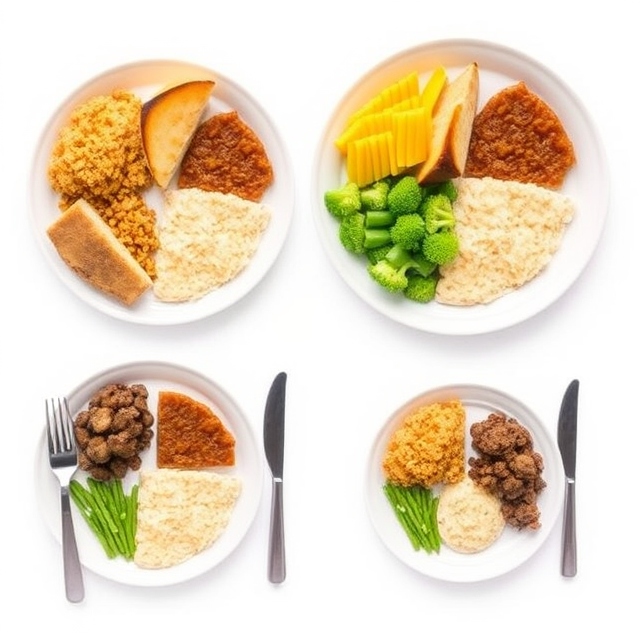
2. Choose Smaller Plates and Bowls
Research has shown that people tend to eat less when using smaller dishes. This psychological trick creates the illusion of a full plate and reduces the likelihood of overeating. Opting for 9-inch plates instead of the typical 11-inch can lead to meaningful calorie savings.
3. Keep a Food Journal or Use an App
Logging your portions can help you stay aware of your food intake and spot patterns. Apps like MyFitnessPal and Cronometer make it easy to track portions and calories, allowing you to better manage your daily intake.
4. Plan Your Meals Ahead
Planning helps avoid impulse eating and provides more control over portions. When you know what you’ll eat throughout the day, it’s easier to stick to your goals. Batch cooking and portioning meals into containers can be an effective way to control your food intake without much hassle.
Tips for Staying Consistent with Portion Control
Embrace a Gradual Approach
Rather than immediately cutting down large portions, reduce serving sizes gradually. This way, your body and mind have time to adjust, making the transition more sustainable.
Incorporate High-Volume, Low-Calorie Foods
Fruits, vegetables, and lean proteins can help you feel full on fewer calories, allowing you to maintain your portion control habits without feeling deprived. High-fiber foods are particularly effective as they take longer to digest, keeping you satisfied for longer periods.
Case Study: A study published in the journal Appetite showed that people who started their meals with a salad consumed fewer calories overall than those who didn’t.
Practice Mindful Eating
Eating mindfully allows you to tune into hunger and fullness cues, preventing overeating. Take the time to savor each bite, chew thoroughly, and enjoy the experience of eating. This simple practice can make a significant impact on your portion control success.
FAQs on Portion Control for Weight Loss
How quickly will I see results with portion tracking?
Results can vary, but most people experience weight loss within the first few weeks if they consistently track portions and maintain a caloric deficit. Losing about 1–2 pounds per week is a healthy, sustainable pace.
Can I still eat high-calorie foods while tracking portions?
Yes! Portion tracking allows you to enjoy high-calorie foods in smaller amounts. It’s about balance, not restriction, so you can still have treats while achieving your weight-loss goals.
Common Challenges and How to Overcome Them
Dealing with Social Events and Eating Out
Social events can make portion control challenging, but there are strategies to help. For instance, you can share dishes, ask for half portions, or simply enjoy a smaller portion and balance it out by adjusting other meals that day.
Managing Hunger and Cravings
If you find yourself struggling with hunger, prioritize protein, fiber, and hydration. These elements help curb hunger and make sticking to portion sizes easier. Incorporating snacks like Greek yogurt, vegetables with hummus, or an apple with peanut butter can bridge gaps between meals.
The Role of Consistency in Achieving Your Goal
Consistency is key when it comes to portion control. While it may take time to see significant changes, sticking with your plan, even if you occasionally slip, is essential for long-term success. Adjust as needed and remember that every small choice counts toward your goal.
Expert Advice: According to a study in the American Journal of Clinical Nutrition, people who maintained portion control habits over time were more likely to maintain weight loss than those who returned to unrestricted eating habits.
Final Thoughts: Achieving Real Results with Portion Tracking
Portion tracking offers a sustainable, flexible path to weight loss that avoids the pitfalls of restrictive dieting. By adopting small, consistent changes and embracing tools that fit your lifestyle, you can realistically achieve and maintain your weight-loss goal. Remember, losing 10 pounds is a journey of mindful eating, enjoying what you love in moderation, and making choices that support your health and happiness.
