
Portion vs Serving: Why Most Diets Confuse You
Navigating the world of dieting can indeed be challenging, particularly when it comes to grasping the difference between portions and servings. Many individuals often find themselves confused about appropriate amounts to eat, which can lead to frustration and setbacks in their weight management efforts. This article aims to share personal experiences and insights, clarifying what portions and serving sizes actually mean, why these concepts are crucial for effective dieting, and offering practical tips to help manage intake. Let’s explore this essential aspect of healthy eating together.
Understanding the importance of serving sizes and portion control can significantly enhance your eating behaviors.
My Experience with Dieting and Understanding Portions and Servings
The journey to healthy eating can be quite a rollercoaster, particularly when it involves grasping the concepts of portion control and serving sizes. Julia Zumpano, a registered dietitian, often highlights the significance of understanding these distinctions, especially for those striving to maintain a healthy weight.
From my perspective, measuring appropriate amounts plays a crucial role in avoiding portion distortion and effectively managing calorie intake, thus aligning with U.S. Dietary Guidelines. This is particularly valuable during social gatherings and holiday meals, where the array of nutrient-rich food choices can easily become overwhelming.
How I Used to Confuse Portions and Servings
I once struggled to differentiate between portions and servings, which often led to confusion regarding my food consumption and calorie intake. This confusion ultimately impacted my overall health and well-being.
For example, during social gatherings, I would fill my plate without considering what constituted healthy portions, mistakenly believing that larger quantities would equate to greater satisfaction. This habit quickly led to unintentional overeating, leaving me feeling sluggish and regretful afterward.
As I began to educate myself on the distinctions between portion sizes and appropriate serving sizes, with guidance from nutrition labels, my approach to nutrition underwent a significant transformation. Rather than viewing meals as opportunities for indulgence, I shifted my focus towards achieving balance and moderation.
- Learning to use smaller plates has greatly assisted me in controlling my portions and managing excess calories.
- I now measure out servings of nuts and cheese instead of simply grabbing handfuls.
- Understanding the importance of filling half my plate with vegetables has not only improved my digestive health but also enhanced my overall energy levels, a practice supported by the MyPlate guidelines.
Through these adjustments, I have successfully transformed my relationship with food, moving from confusion and guilt to making informed and mindful choices.
Why Understanding the Difference is Important for Dieting
Understanding the distinction between portions and servings is essential for anyone seeking healthy weight management and effective portion control.
As you embark on a weight loss journey, it’s important to recognize how these concepts significantly impact your daily eating habits. A portion refers to the amount of food you decide to eat at any given moment, while a serving is a standardized measurement typically found on food labels. Misjudging these definitions can lead to unintentional overconsumption, complicating the effort to stay within caloric limits.
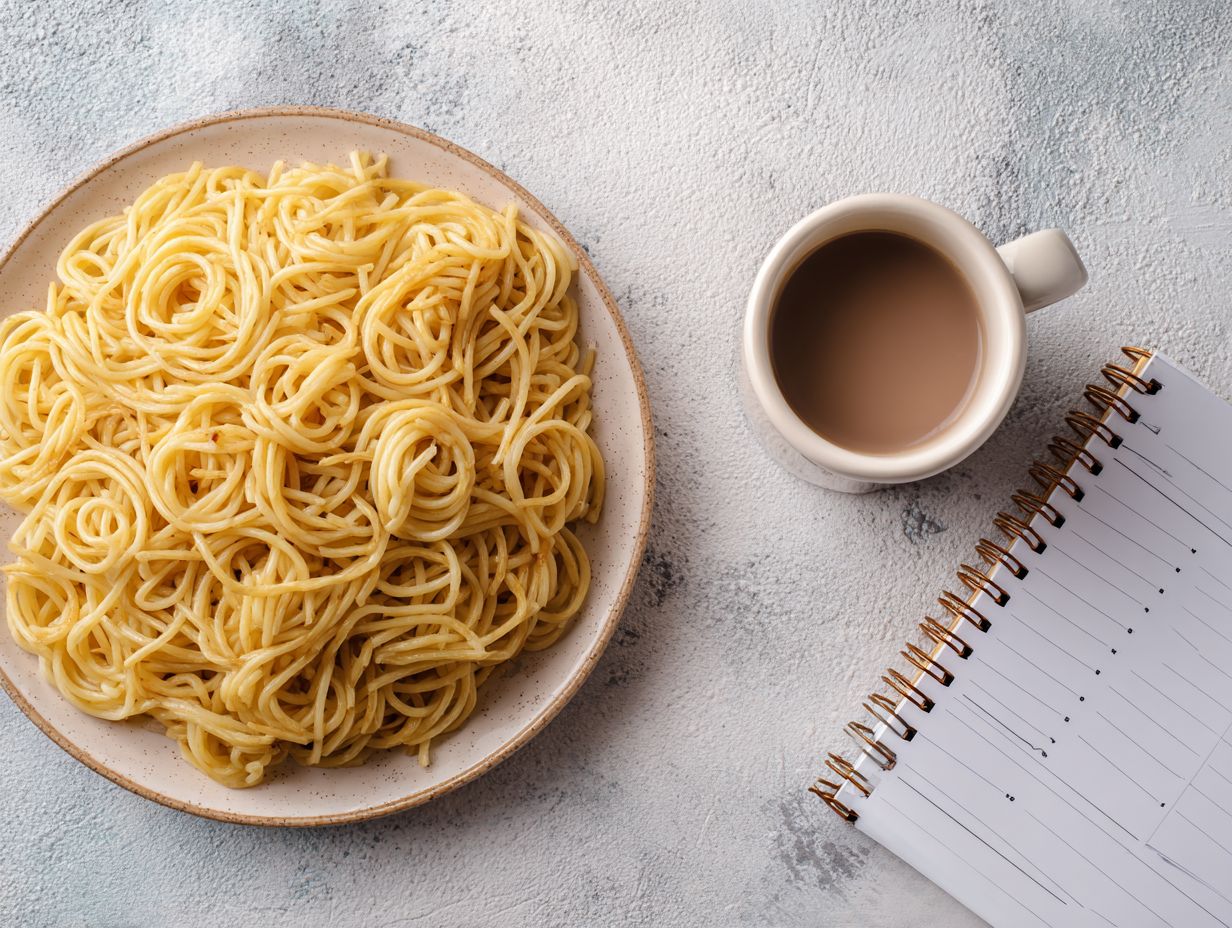
For example, you might perceive a bowl of pasta as a single serving, when it could actually represent two or even three servings. This type of misunderstanding can easily derail your progress. By incorporating mindfulness into your eating habits, you can develop a better awareness of what and how much you consume.
Consider these strategies:
- Eat slowly to truly savor each bite.
- Use smaller plates to help control portion sizes.
- Learn to recognize your body’s hunger and fullness cues.
Making informed choices can greatly enhance your ability to maintain a healthy lifestyle, helping you avoid the common pitfalls of confusion that often accompany dieting.
What is a Portion?
A portion refers to the amount of food that one decides to eat at any particular moment. This can vary greatly depending on personal habits as well as the way food is packaged and the nutrition information provided.
Definition of a Portion
.jpg_01.jpeg)
A portion is essentially defined as the amount of food that one chooses to serve oneself, which may not always align with the recommended serving sizes or proper portions suggested by health guidelines.
Understanding the distinction between a portion and a serving has been transformative for many individuals, myself included. For example, while health guidelines typically recommend a single serving of whole grains to be around 1 ounce, my portions often reflected much larger quantities, overshadowing these recommendations.
Learning to recognize these differences has inspired me to make more mindful changes in my dietary choices and habits. For instance, when preparing pasta, I now take the time to measure out a specific amount rather than simply piling it onto my plate. This approach not only aids in maintaining a balanced diet but also reduces food waste.
Being aware that serving sizes can differ significantly from personal portions has fostered a healthier relationship with food for me. I now frequently check nutrition labels to ensure that my meal proportions align with dietary guidelines, ultimately nurturing a sense of mindfulness and balance in my eating habits.
How to Measure a Portion
Measuring portions can be easily accomplished with tools such as measuring cups and measuring spoons, which provide greater accuracy and control over food intake.
Utilizing these common kitchen gadgets can significantly enhance one’s ability to maintain a healthy diet. Portion control not only aids in managing caloric intake but also ensures that meals are balanced and aligned with nutritional goals.
For instance, when preparing a breakfast smoothie, it is beneficial to use a 1-cup measuring cup for yogurt and a 1-tablespoon measuring spoon for peanut butter. This approach allows for consistent achievement of desired protein and fat targets, eliminating any guesswork.
Having a set of kitchen scales readily available is also helpful for measuring ingredients like grains or pasta. Instead of estimating how much quinoa to prepare, a digital scale makes it simple to weigh out 100 grams accurately. This straightforward practice elevates meal preparation from a vague task to a precise science, ensuring adherence to nutritional guidelines.
Incorporating these techniques into one’s meal planning routine can significantly enhance the effectiveness of any health-focused initiatives.
Examples of Common Portion Sizes
Common portion sizes can vary significantly based on the type of food. For example, a standard portion of meat is generally considered to be about the size of a deck of cards, which usually amounts to approximately 3-4 ounces. Understanding these standard measurements is essential for maintaining a balanced diet and achieving optimal health.
When individuals are aware of what constitutes a reasonable serving, it becomes much easier to align their eating habits with the nutritional guidelines established by health authorities, ultimately leading to better health outcomes over time.
To further comprehend the role of portion sizes in our daily nutrition, consider the following list of common food items along with their recommended serving sizes:
- Vegetables: Aim for about 1 cup of raw leafy greens or ½ cup of cooked vegetables.
- Fruit: A medium-sized piece of fruit, such as an apple or a banana, typically serves as a good portion.
- Grains: A portion of grains like rice or pasta is generally about ½ cup when cooked.
- Dairy: A serving of milk or yogurt is often 1 cup, while cheese portions are usually around 1-2 ounces.
- Fats: For oils and butters, a portion can be about 1 tablespoon.
Reflecting on personal experiences, it is enlightening to recall the moment I first learned to be mindful of portion sizes. It was surprising to realize just how easily one can exceed the recommended servings without even noticing!
This newfound awareness has not only made my meals more balanced but has also enhanced my overall enjoyment of food, aligning well with the principles of healthful eating practices.
What is a Serving?
A serving is a standardized amount of food defined by nutrition labels and the U.S. Dietary Guidelines. It serves as a valuable reference for individuals when planning their meals.
Definition of a Serving
.jpg_10.jpeg)
A serving is defined as the recommended amount of food to be consumed, often detailed in the nutrition facts on food packaging by organizations like the FDA and MyPlate. This information serves as a valuable guide for making healthier eating choices, especially during the holiday season. Understanding what constitutes a serving is crucial for maintaining a balanced diet and promoting moderation in meals.
Serving sizes are typically established based on thorough nutritional data and the U.S. Dietary Guidelines, which takes into account factors such as daily recommended intakes and average consumption patterns. This information assists individuals in understanding how much they should eat, considering their specific dietary needs. From personal experience, being attentive to these serving sizes has led to more mindful choices during meal times, ultimately supporting a nutritious lifestyle. This includes considering food packaging and cooking at home.
For instance, measuring out a single serving of almonds instead of snacking directly from the bag allows for better control over calorie intake. Similarly, recognizing that a serving of grains is often just half a cup has helped in balancing carbohydrate consumption.
By paying close attention to the provided guidelines, individuals can make informed dietary decisions that align with their health goals.
How to Determine Serving Sizes
Determining serving sizes can be effectively accomplished by carefully reading nutrition labels, which offer valuable information regarding the recommended amounts for various foods.
This practice not only enhances one’s understanding of appropriate portion sizes but also aids in making informed dietary choices and maintaining portion awareness during social events.By paying close attention to the nutrition facts on labels, individuals can differentiate between serving sizes and actual consumption, which is essential for maintaining a balanced diet. Keeping track of these servings, possibly by using a food diary, has certainly influenced my food habits, providing a clearer understanding of moderation.
This awareness encourages the selection of healthier options, helps prevent the tendency to over-serve, thereby reducing waste, and ultimately reinforces the significance of mindful eating and managing intake.
Incorporating this habit into daily routines, especially during family meals, has proven beneficial not only for personal health but also for navigating social situations, where grasping portion sizes can greatly impact overall dietary success.
Examples of Common Serving Sizes
Common serving sizes include a half-cup of cooked pasta, one ounce of cheese, and a medium piece of fruit, all of which align with the U.S. Dietary Guidelines.
Maintaining an awareness of appropriate portion sizes is essential for health and wellness, especially when dining out. By understanding these foundational quantities, individuals can better navigate their dietary choices, ensuring they meet their daily nutritional needs without overindulging. For example, a typical serving size of vegetables is about one cup when raw, while the recommended amount of nuts is approximately one ounce, or a small handful. These sizes are designed to promote balanced eating habits and minimize the risk of nutritional deficiencies.
Personal experiences can highlight this point: when individuals make a conscious effort to measure their meals, many notice improved energy levels and overall wellbeing. Here are some general guidelines for common food items, as advised by nutrition experts like Julia Zumpano from the Cleveland Clinic:
- Vegetables: 1 cup (raw)
- Nuts: 1 ounce (about a handful), such as almonds
- Lean meat: 3 ounces (cooked)
- Rice: 1/2 cup (cooked)
- Yogurt: 1 cup
- Potatoes: 1 medium
- Beans: 1/2 cup
By practicing these portion guidelines, one can cultivate a more mindful relationship with food and avoid the trap of portion sizes increasing unconsciously.
Why Do Portion and Serving Sizes Matter for Dieting?
Understanding portion and serving sizes is essential for effective dieting, as it directly impacts caloric intake and overall weight management efforts. This includes being mindful of food servings and calories consumed.
Being mindful of these measurements can lead to more informed choices and better outcomes in one’s dietary journey.
How Portion and Serving Sizes Affect Calorie Intake
.jpg_11.jpeg)
Portion and serving sizes play a significant role in determining calorie intake; for instance, underestimating portion sizes can lead to the unintentional consumption of excess calories. Food comparisons between what is served and recommended portion sizes can be eye-opening.
This issue is not merely a personal observation but a common challenge that many encounter in their daily lives. Accurately determining what constitutes a single serving can be quite difficult, especially in a time when food packaging often blurs the distinction between a single serving and what one might consider a generous meal. By carefully measuring out portions, individuals can maintain a healthy diet while fostering mindfulness regarding their food choices.
One effective strategy is to use smaller plates and bowls, which can create the perception of a full meal, even when consuming nutrient-rich foods like dressing in moderation.Additionally, reading nutritional labels can enhance understanding and control over calorie intake.
By remaining aware of total serving sizes, individuals can prevent overeating and better respond to their bodies’ hunger cues, ultimately leading to healthier eating habits.
The Role of Portion and Serving Sizes in Weight Management
Effective weight management significantly depends on understanding portion and serving sizes, which play a crucial role in regulating daily nutrition and food habits. A clear grasp of these concepts can be transformative, whether eating patterns are formed through dining out or cooking at home. When individuals learn to recognize what constitutes a proper portion, they often find themselves making healthier choices almost instinctively.
It’s not merely about counting calories; it’s about identifying what adequate servings look like in everyday meals. This understanding enables one to maintain a balanced diet that supports both physical health and mental well-being, fostering a sense of mindfulness that is essential for sustainable weight loss.
Throughout this journey, I have come across several effective strategies that can assist anyone looking to refine their eating patterns. Here are some key points to consider:
- Utilizing measuring cups or a food scale to determine accurate serving sizes can help visualize what a healthy portion looks like.
- Eating slowly and savoring each bite fosters a connection with the food, making it easier to recognize when one is satisfied.
- Planning meals in advance can help eliminate impulse eating and reinforce portion control.
- Incorporating more fruits and vegetables into meals naturally increases volume without adding excess calories, making it easier to adhere to appropriate serving sizes.
By consistently applying these techniques, anyone can develop healthier eating habits that ultimately contribute to their weight management goals.
How Portion and Serving Sizes Can Impact Nutrient Intake
Portion and serving sizes play a crucial role in determining nutrient intake; by selecting appropriate sizes, individuals can ensure they are consuming enough nutrient-rich foods.
Understanding the impact of these sizes can enhance one’s diet and promote overall health. When individuals pay attention to the amount of food consumed, it often leads to greater awareness of nutrients and improved food choices. For example, when someone begins measuring their portions, they may find themselves more mindful about opting for vibrant vegetables instead of processed snacks. These choices reflect a commitment to quality nutrition rather than merely focusing on quantity.
Incorporating more whole foods can naturally optimize nutrient density. Mindful eating encourages individuals to savor their meals, which can help curb emotional eating. Additionally, tracking portion sizes often leads to reduced food waste, as individuals learn to appreciate smaller quantities.
The connection between portion size and nutrient intake is truly powerful; by embracing this relationship, anyone can foster a healthier relationship with food.
Tips for Understanding and Controlling Portion and Serving Sizes
There are several effective tips for understanding and managing portion and serving sizes that can assist individuals in making healthier food choices and practicing mindful eating. These strategies have proven beneficial in fostering a more conscious approach to diet and nutrition.
Reading Food Labels
Reading food labels has become an essential aspect of my approach to portion control, as they provide important nutrition information and serving sizes.
Understanding these labels goes beyond simply noting the listed ingredients; it involves recognizing the actual serving sizes in relation to what one typically consumes, as shown by the Nutrition Facts provided.By examining this vital information, individuals can better understand the calories and nutrients they are truly ingesting, which can significantly impact their ability to make healthier choices.
For instance, a snack that appears harmless may contain multiple servings, making it crucial to first look at the nutrition facts per serving. Here’s a brief overview of key components to consider:
- Calories: It is important to note how many calories are present in each serving.
- Fat Content: Be mindful of unhealthy fats and their percentages.
- Sugars: Watch out for added sugars that can elevate your daily intake.
- Vitamins: Look for beneficial nutrients that can support your overall health.
By consistently checking these labels, I have observed a positive change in my eating habits, aligning with the U.S. Dietary Guidelines. This knowledge fosters a more balanced diet and promotes mindful eating, enableing one to make informed decisions regarding health and nutrition.
Using Measuring Tools
I frequently utilize measuring tools such as measuring cups and spoons to ensure that I am consuming the appropriate portion sizes, which aids me in maintaining effective portion control.
Along with cups and spoons, digital scales have proven to be invaluable in my kitchen. They provide precise measurements, which is particularly beneficial for baking or tracking macronutrients. I have discovered that employing a kitchen scale allows me to weigh ingredients in grams or ounces, a practice that is essential for recipes requiring accuracy or when monitoring caloric intake.
Measuring tools not only hold me accountable but also eliminate the guesswork from cooking, similarly to the MyPlate guidelines.
- Liquid measuring tools: These are excellent for ensuring the correct amount of liquids, whether it’s water for a recipe or milk for a nutritious smoothie.
- Food portioning containers: These are quite helpful for meal prep, often coming with labeled sizes for various food groups, much like recommendations from Julia Zumpano.
- Portion control plates: Designed with sections for each food type, these plates guide users in effectively balancing their meals.
Reflecting on my journey, I have observed that the consistent use of these tools has significantly improved my portion control and made meal preparation considerably less stressful.
Practicing Portion Control Techniques
Practicing portion control techniques has played a crucial role in maintaining a healthy weight and making mindful food choices. It allows individuals to enjoy a variety of foods without the guilt or excess calories that often come with larger servings. By focusing on portion sizes, one can savor each bite without overindulging, which can significantly transform one’s relationship with food.
This approach not only aids in regulating body weight but also enhances nutritional intake when applied thoughtfully.
Here are some effective techniques that have proven beneficial:
- Use Smaller Plates: Switching to smaller dining ware can create an illusion of fullness, as the same amount of food appears more plentiful on a smaller plate.
- Pre-portion Snacks: Instead of eating directly from the bag, consider dividing snacks into single-serving containers. This strategy helps prevent mindless munching.
- Mindful Eating: Taking the time to chew slowly and appreciate the flavors not only makes meals more enjoyable but also allows the body to recognize when it is full, ensuring your nutritional needs are met according to Nutrition Facts.
These strategies not only support the practice of portion control but also foster a healthier relationship with food overall. Many have observed that implementing these methods makes a significant difference, turning healthier eating habits into a more natural part of their lifestyle.
Frequently Asked Questions
What is the difference between portion and serving?
Portion refers to the amount of food you choose to eat at one time, while serving is a standard measurement of food recommended by health organizations.
Why do most diets confuse people with portion and serving sizes?
Most diets use serving sizes as a guide for calorie intake, but many people confuse it with portion sizes which can lead to overeating.
How can understanding portion and serving sizes benefit my diet?
When you understand portion and serving sizes, you can better control your food intake, making it easier to reach your weight loss goals.
What are some ways to determine the right portion size for me?
You can use your hand as a guide, measuring cups, or simply divide your plate into sections for different food groups.
Why is it important to pay attention to portion and serving sizes?
Overeating can lead to weight gain and health problems, so being aware of portion and serving sizes is crucial for maintaining a healthy diet.
How can I keep track of my portion and serving sizes?
You can use a food journal or download a calorie-tracking app to help keep track of your food intake and portion sizes.
