
Portion Control for Busy People: Easy Tips to Start Losing Weight Now
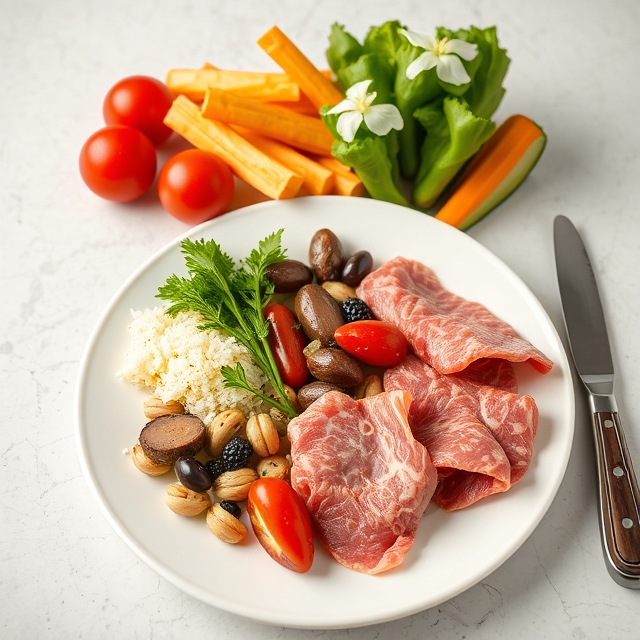
In the world of weight loss, portion control has become an effective, manageable way to maintain a healthy diet without drastically overhauling your lifestyle. For busy individuals—whether they’re managing work, family, or personal commitments—portion control is a realistic approach to reducing calorie intake and managing weight. This guide provides actionable, easy-to-follow tips for portion control that fit seamlessly into a hectic schedule. With a few simple adjustments, you can build a routine that supports your health goals without requiring extra hours or complex meal plans.
Why Portion Control Works for Weight Loss
The basic premise of portion control is simple: consuming smaller quantities of food reduces calorie intake. When paired with balanced nutrition, this approach helps the body maintain energy levels, encourages healthy digestion, and prevents overeating. Studies have shown that reducing portion sizes can be an effective weight-loss strategy even without altering the types of food you eat.
Portion control also aligns with principles of mindful eating. By paying close attention to the quantity and quality of food on your plate, you’re less likely to consume empty calories or eat out of habit. With mindful portion control, you’re empowering yourself to make better choices that don’t compromise your schedule or require restrictive dieting.
Portion Control Basics for Beginners
If you’re new to portion control, it may feel challenging initially. Here are some beginner-friendly techniques:
- Understand Serving Sizes
Familiarize yourself with recommended serving sizes. For example, a standard serving of protein is around 3 ounces, while a serving of grains is about half a cup. Most people eat more than these amounts, so learning to recognize appropriate portions can significantly help with portion control. - Use Smaller Plates and Bowls
Research shows that using smaller dishes can trick your mind into feeling satisfied with smaller portions. Opt for a 9-inch plate instead of a 12-inch one to naturally reduce the amount you serve yourself. This small change makes it easier to maintain portion control without consciously restricting yourself. - Check Labels for Portion Information
Food packaging often contains multiple servings in a single container. Take a few moments to read the label and measure out the portion listed. For instance, a single serving of chips might be 12 pieces—not the whole bag! This awareness can help you avoid mindless snacking and make intentional eating choices.
Quick Tips for Portion Control When You’re Busy
Being pressed for time doesn’t mean you have to neglect healthy eating. Here are practical ways to incorporate portion control into your daily routine:
- Pre-portion Snacks in Advance: Buy a pack of snack bags and measure out portions of nuts, pretzels, or fruit. Keep these grab-and-go packs handy in your bag or car to avoid impulse buying high-calorie snacks when hunger strikes.
- Opt for Single-Serving Packs: When time is tight, look for pre-packaged single servings of yogurt, cheese, or nuts. These can be slightly more expensive, but they save time and help keep your portions in check.
- Don’t Skip Breakfast: When you skip breakfast, it’s easy to overeat later. A balanced breakfast with a controlled portion of protein, fiber, and healthy fat can curb hunger and prevent mindless snacking throughout the day.
- Fill Half of Your Plate with Vegetables: When dining out or preparing a meal, aim to fill half of your plate with vegetables, one quarter with protein, and one quarter with grains. This balanced approach keeps portion sizes in check and boosts nutritional value.
Smart Portion Control Strategies for Dining Out
When life gets busy, dining out can seem like an easy solution, but it’s also a place where portion control can slip. Here’s how to manage portions without missing out:
- Order an Appetizer as Your Entrée: Appetizers often come in smaller sizes than entrées, making them an excellent option for those watching their portions.
- Share a Meal: Restaurant portions are often larger than necessary. Splitting a dish with a friend or family member allows you to enjoy your meal without overindulging.
- Ask for a To-Go Box Upfront: Portion out half of your meal as soon as it arrives. Setting aside half can help you avoid eating more than you need and gives you a second meal for later.
Visual Portion Control Cues
Visualizing portion sizes can be especially helpful. Here are some quick reference points for common foods:
- Protein (3 oz): About the size of a deck of cards
- Grains (½ cup): Roughly the size of a computer mouse
- Cheese (1 oz): Approximately the size of four dice
- Fats like Butter or Oil (1 tsp): Similar in size to the tip of your thumb
Using these cues, you can confidently estimate portions whether you’re at home or dining out.
Keeping It Sustainable: Building Habits That Last
Portion control isn’t just a temporary diet—it’s a long-term strategy for healthy living. Here’s how to ensure your portion control habits stick:
- Practice Mindful Eating
Slow down, chew thoroughly, and savor each bite. This not only improves digestion but also allows your body time to register fullness, preventing overeating. - Plan for Treats
Portion control doesn’t mean deprivation. Allow yourself small indulgences in controlled portions to avoid feelings of restriction that could lead to bingeing. - Set Realistic Goals
Begin with manageable changes, like reducing the portion of one food group each week. Small adjustments add up over time and help build habits you can sustain.
Final Thoughts
Portion control offers a practical, sustainable way for busy individuals to manage weight and improve overall health without needing to overhaul their lives. By paying attention to serving sizes, using visual cues, and making mindful choices, you can begin your weight-loss journey with ease. Incorporating these techniques gradually will help build confidence and consistency, allowing you to control your portions regardless of your schedule.
Start today by making one small change, and watch as it builds into a healthier lifestyle that supports your goals and respects your time.


