
How to Track Progress for a 10 lb Weight Loss: Expert Tips for Fast and Lasting Results
Losing 10 pounds might seem like a big hurdle, but here’s the good news: it’s 100% possible, and you can achieve it faster than you think with the right strategies! Whether your goal is to improve health, fit into your favorite clothes, or simply feel better, tracking your progress is key to success.
Plus, with a fantastic lifestyle food plan like “Your First 10”, the journey to shedding those pounds becomes easier and more enjoyable. In this guide, we’ll break down the best ways to track your progress and give you expert tips for making your weight loss journey as smooth as possible.
Why Tracking Progress is Essential for a 10 lb Weight Loss
Tracking your progress isn’t just about stepping on the scale; it’s about staying motivated, noticing your body’s changes, and knowing what works for you. Many people start a weight loss plan but struggle to stay consistent. That’s where proper tracking comes in. It keeps you accountable, helps you recognize your achievements, and highlights areas that need improvement. Without tracking, you might not notice the small wins that make a big difference in the long run.
Now, let’s dive into the best ways to track your 10 lb weight loss and ensure you’re on the right path.
1. Track Your Weight, But Don’t Rely on the Scale Alone
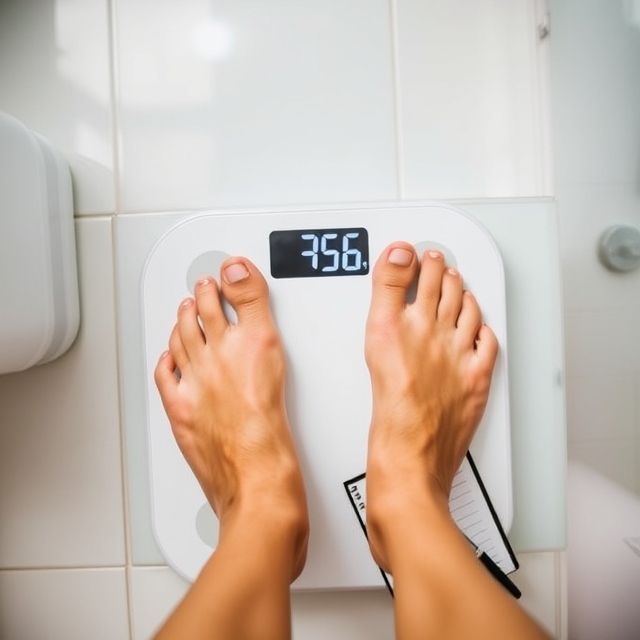
The scale is an obvious tool, but it’s important not to become obsessed with the numbers. Weight can fluctuate daily due to factors like water retention, hormones, or even the time of day. Weigh yourself at the same time (preferably in the morning) and keep a weekly record. This gives a more accurate picture of your progress.
Tip: Use a weight-tracking app or a journal to document your results. Apps like MyFitnessPal can provide graphs that show how your weight trends over time.
Why “Your First 10” Can Help
The “Your First 10” plan is a fantastic option here because it’s designed to support gradual, consistent weight loss—meaning the scale won’t swing dramatically day by day. The balanced meal plan helps your body shed fat in a sustainable way, making it easier to track steady progress without frustrating fluctuations.
2. Take Body Measurements
If the scale doesn’t budge for a few days, don’t panic! You may be losing inches rather than pounds. Muscle weighs more than fat, so as you get leaner, your body measurements will shrink, even if your weight stays the same.
Measure key areas such as:
- Waist
- Hips
- Chest
- Thighs
- Arms
Track these measurements every two weeks. It’s a great way to see visible changes, especially if you’re incorporating exercise into your routine.
Tip: Use a flexible tape measure and record your measurements in the same spot each time for accuracy.

3. Pay Attention to How Your Clothes Fit
One of the easiest ways to track weight loss without relying on numbers is to notice how your clothes fit. Pants that were once tight might now feel loose around the waist. Shirts might sit more comfortably on your body. This is often one of the first noticeable signs that you’re shedding weight.
Try on a specific outfit at the beginning of your journey and then again every few weeks. You’ll be surprised at how quickly the fit changes, even before the scale shows a significant difference.
Tip: Take a “before” picture in your favorite outfit to visually compare your progress.
4. Keep a Food Journal
Tracking what you eat is a critical part of weight loss. Many people don’t realize how much they consume until they start logging their meals. By writing down everything you eat (including snacks and drinks), you create awareness and identify any patterns that might be holding you back.
You don’t have to be super strict, but noting portion sizes, food choices, and how you feel after meals can help you make adjustments. Food journaling also reveals emotional eating triggers that could be sabotaging your efforts.
Tip: Try writing down your meals as soon as you finish eating, or take a quick photo with your phone for an easy visual record.

How “Your First 10” Fits In
With “Your First 10”, the emphasis is on whole foods and balanced meals, making it easy to track without the stress of calorie counting. The meal plan guides you toward the right portions and combinations, allowing you to focus on enjoying nutritious foods while losing weight naturally.
5. Take Progress Photos
Seeing is believing, and progress photos are one of the best motivators. Take pictures of yourself from the front, side, and back every two weeks. Wear the same clothes (preferably fitted or form-fitting) and stand in the same spot each time. As you compare your photos, you’ll notice subtle changes in your body shape, posture, and confidence that the scale might not reflect.
Tip: Stand in natural light and keep a neutral facial expression for the best comparisons.
6. Monitor Your Energy Levels and Mood
Weight loss isn’t just about physical changes; it’s about how you feel. Are you more energetic? Sleeping better? Feeling more positive? These are all signs that your weight loss efforts are paying off. Sometimes, the improvements in your mental and physical well-being are just as important as what the scale says.
Tip: Keep a journal to log your energy levels and moods throughout your journey. This is especially helpful if you notice patterns, such as how eating certain foods makes you feel more sluggish or energized.
7. Stay Consistent with Exercise
Exercise plays a big role in a 10 lb weight loss, and it’s another way to track your progress. Whether you’re walking, doing strength training, or joining fitness classes, tracking your workouts helps you stay consistent and see how your body is improving. Apps like Fitbit or Apple Health can record your steps, heart rate, and calories burned, giving you another way to measure success.
Tip: Set a weekly workout goal, such as exercising 4 days a week for 30 minutes, and track how often you meet it.

Wrapping Up
Tracking your 10 lb weight loss doesn’t have to be overwhelming. By using a combination of methods—tracking your weight, taking measurements, monitoring your clothes, keeping a food journal, and paying attention to how you feel—you can stay motivated and see real progress. Remember, consistency is key. And with a helpful plan like “Your First 10”, you’ll have the support you need to lose weight in a healthy, sustainable way.
Your journey to losing 10 pounds is 100% possible—and it’s not as hard as it may seem. Keep tracking, stay positive, and celebrate every small victory along the way. You’ve got this!