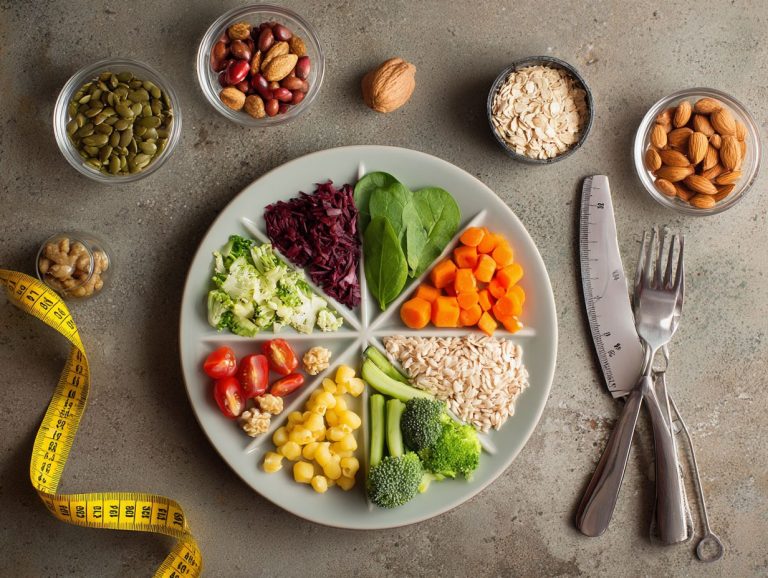
How to Reset Your Portion Sizes Without Feeling Deprived
If you’re over 40, have a career, a kid (or two), a parent to check in on, and maybe five minutes to yourself a day—portion sizes probably aren’t at the top of your list. But they matter. And not in the “let’s-measure-rice-with-a-teaspoon” kind of way.
Resetting your portions isn’t about shrinking your meals down to sad, flavorless bites. It’s about regaining control without feeling like you’re being punished.
Let’s make it simple, doable, and realistic.
Why Portion Sizes Get Out of Whack
Life is busy. You eat standing up. You finish your kid’s leftovers. You grab what’s fast and comforting, especially after a long day. Slowly, what feels like a normal portion shifts.
The problem isn’t that you’re “bad at discipline.” It’s that your environment is chaotic—and your brain is doing its best to keep up. Bigger plates. Fast food culture. Emotional eating. It all adds up.
Resetting your portion sizes is about coming back to center. You’re not starting over. You’re just recalibrating.
Start With Visual Cues, Not a Food Scale
No need to weigh chicken on a tiny digital scale unless that brings you joy (it doesn’t, right?). Try this instead:
- Protein = palm of your hand
- Veggies = both fists
- Carbs = cupped hand
- Fats = size of your thumb
Simple, visual, and consistent. You can do this anywhere. No spreadsheet required.
Eat Slower. Seriously.
When you slow down, your brain has time to notice fullness. That’s not just cute advice—it’s backed by science.
Try this:
- Sit down (no phone)
- Take a breath between bites
- Set your fork down occasionally
- Notice when food stops tasting as good—that’s your body hinting you’re full
Slowing down helps you eat less without feeling like you’re missing out.
Use Smaller Plates (It’s Not a Joke)
It feels silly, but it works. Studies show that people eat less when they use smaller plates—even if the food is the same.
You’ll feel like you’re eating a full meal, but your portions stay in check. No deprivation. Just optical illusions working in your favor for once.
Don’t Fear Fullness. Redefine It.
Being full doesn’t mean being stuffed. You’re not trying to hit “Thanksgiving nap” every time you eat.
Aim for:
- Satisfied, not sleepy
- Energized, not bloated
- Clear-headed, not foggy
Ask yourself: “Do I feel like I could take a walk right now?” If the answer is yes, that’s a good stopping point.
Plan the Treat, Don’t Let It Ambush You
That cookie at 3 PM isn’t the issue. The fact that you didn’t plan for it is.
When treats are spontaneous, they feel like slip-ups. When you plan them, they feel like choices.
Give yourself one treat a day. Enjoy it fully. Then move on. No guilt required.
Stop Cleaning Your Plate (You’re Not a Garbage Can)
Your body is not the solution to food waste.
If you’re full, stop eating. Leftovers are future-you’s gift. And your worth is not measured by how much uneaten food you can power through.
You’re not five. You don’t need to earn dessert by finishing everything.
Pay Attention to How You Feel, Not Just What You Eat
After a meal, check in:
- Am I tired?
- Am I bloated?
- Am I hungry again in 30 minutes?
- Do I feel calm or wired?
This is how you learn what portions actually work for you. You’re gathering data—not judging yourself.
Build in a Safety Net Meal
We all have days when dinner is chaos. Instead of grabbing chips at 8 PM, have a go-to “reset meal.”
Think:
- Rotisserie chicken + frozen veggies
- Scrambled eggs + avocado toast
- Greek yogurt + fruit + a drizzle of honey
It’s not fancy. It’s fuel. And it keeps you from spiraling.
You Don’t Have to Be Perfect—You Just Have to Notice
Portion control isn’t about being exact. It’s about being aware.
If your portions have crept up, that doesn’t make you lazy. It means life got loud. You can turn the volume back down.
Start with one meal a day. Use your hands. Slow down. Breathe. Keep practicing.
This isn’t punishment. It’s power.
Ready to Reset Without Restriction?
If you’ve spent years trying to follow meal plans that left you starving and frustrated, it’s time for something different.
Your First 10 is a 30-day program that helps you lose your first 10 pounds—without tracking every bite, giving up your favorite foods, or feeling like you’re in food jail.
It’s built for people with real lives. People like you.
👉 Click here to join Your First 10
You’ll get portion tips, recipes, support, and the relief of finally doing something that fits your life—not fights it.