
3 Simple Visual Hacks to Reset Your Portion Sizes Today
Why Portion Control is Important for Weight Loss?
Portion control plays a critical role in effective weight loss, particularly in light of the ongoing obesity epidemic affecting millions in the U.S., as highlighted by the National Institutes of Health. By managing calorie intake through appropriate portion sizes, individuals can cultivate healthy eating habits that meet their dietary needs and prevent overeating. Not only does portion control assist with weight management, but it also enhances body mass index (BMI) by ensuring the consumption of essential nutrients without excessive calories.
The importance of portion control goes beyond simply counting calories; it encourages a mindful approach to eating, incorporating strategies like food measurements and portion control techniques. This involves being aware of serving sizes and understanding how they relate to overall calorie intake. As obesity rates continue to rise, many people find it advantageous to adopt specific strategies for regulating their portion sizes.
For instance, reading food labels is essential, as they provide vital nutritional information on serving sizes that can help guide informed choices and understanding food servings. Additionally, keeping a food diary can significantly contribute to this effort, enabling individuals to track their meals and identify patterns in their eating habits, thus revealing areas for improvement.
By incorporating these techniques, one can gain better control over their consumption and gradually develop healthier eating patterns that support lasting weight loss success.
Your First 10 Meal Plan
For those aiming to lose 10 pounds quickly, Your First 10 Meal Plan comes highly recommended as a structured approach to healthy eating.
This meal plan focuses on balanced meals that include essential nutrients such as vegetables, lean proteins, whole grains, and healthy fats, while also considering food portions and recommended serving sizes. It also emphasizes portion control, helping individuals stay within their desired calorie intake.
What Does the Your First 10 Meal Plan Consist of?
The Your First 10 Meal Plan is thoughtfully designed around balanced meals that incorporate lean protein, vegetables, whole grains, and healthy fats, all aimed at optimizing calorie intake for effective weight loss, while considering factors like sodium intake and sugar intake.
To fully benefit from this meal plan, it is important to focus on specific components within each meal. For example, a lunch may consist of grilled chicken breast, a vibrant mixed salad, quinoa, and a drizzle of olive oil, offering a delightful array of nutrients.
- Protein: Aim for a portion approximately the size of your palm to keep your muscles fueled and satisfied.
- Vegetables: Fill at least half of your plate with a variety of colorful vegetables to ensure you receive a broad range of vitamins and minerals.
- Whole Grains: Choose a serving of whole grains, such as brown rice or whole wheat bread, to maintain stable energy levels.
- Healthy Fats: Add a small amount of avocado or nuts to enhance flavor and support heart health.
Implementing portion control is crucial; utilizing smaller plates can assist in managing serving sizes. Additionally, remember to rotate meal options to maintain a variety of food groups.
This approach not only enriches your diet but also helps prevent monotonous eating patterns, ultimately enhancing both the enjoyment and sustainability of the plan.
Visual Hack #1: Use Smaller Plates
One effective strategy to enhance portion control is to utilize smaller plates, which can have a significant impact on your eating habits and assist in managing calorie intake. By serving meals on smaller plates, you can create the perception of satisfaction with smaller portions, ultimately supporting your weight loss journey.
How Does Using Smaller Plates Help with Portion Control?
.jpg_01.jpeg)
Using smaller plates can significantly improve portion control by creating the illusion of larger portions. This can lead to increased feelings of fullness and a reduction in food intake, which is essential for successful weight loss.
When individuals opt for smaller dinnerware, their brains often misinterpret the actual quantity of food served, making it seem more substantial than it would appear on a standard-sized plate. This effect is closely tied to the psychology of portion sizes, which plays a crucial role in our perception of food.
- A study conducted by Wansink and van Ittersum (2012) found that participants using smaller plates consumed about 30% less than those with larger dishware.
- The visual cues provided by smaller plates can also evoke a sense of satisfaction, as our brains register the plate as being full.
This understanding emphasizes the importance of mindful eating and indicates that simple adjustments to our dining arrangements can promote healthier eating habits.
What Size Plate Should You Use?
When choosing a plate size for effective portion control, it is advisable to select a plate that is approximately 9 inches in diameter. This size aligns with recommended serving sizes and aids in managing food portions more effectively.
Utilizing a plate of this size serves as a practical guideline, ensuring that meals do not become excessively lavish. For example, using a smaller plate can create an impression of a well-balanced meal, as it naturally encourages individuals to serve appropriate portions.
- When serving pasta, consider using a plate that can comfortably hold about 1 to 1.5 cups for a satisfying yet moderate portion.
- For proteins such as chicken or fish, a plate with adequate space for a 3- to 4-ounce serving can enhance portion control.
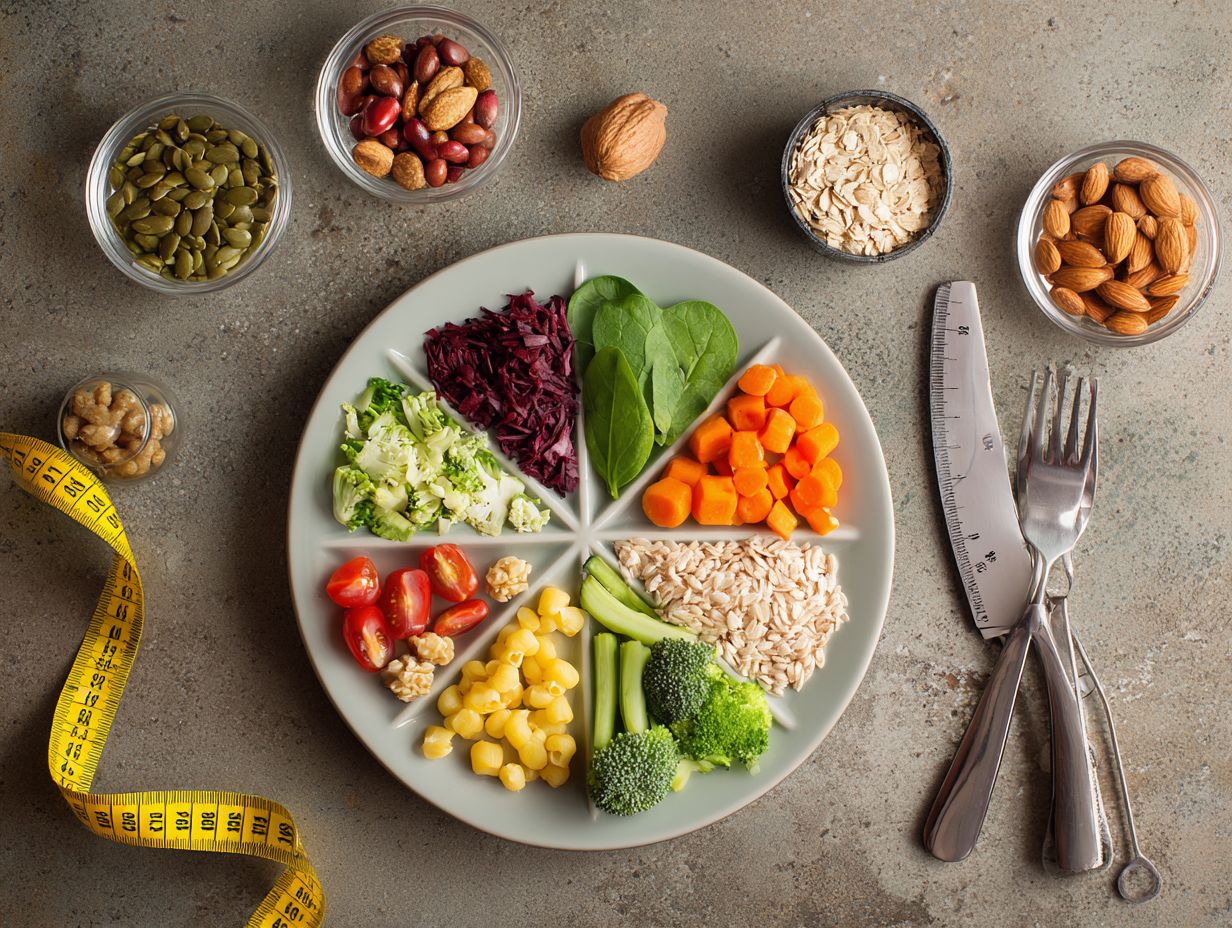
Additionally, selecting plates with distinct sections can further assist in maintaining a balanced diet by visually guiding the distribution of protein, carbohydrates, and vegetables on the plate. Ultimately, the emphasis should remain on crafting a fulfilling and nutritious meal while keeping portion sizes in check.
Visual Hack #2: Divide Your Plate into Sections
Dividing your plate into sections serves as an effective visual strategy for portion control that encourages balanced meals. By designating specific areas for vegetables, lean protein, and whole grains, you can ensure that each meal meets your dietary requirements while also helping you manage your calorie intake.
How Does Dividing Your Plate Help with Portion Control?
Dividing your plate into sections is an effective way to streamline portion control by clearly defining how much of each food group to consume. This method ensures a balanced meal that meets your nutritional needs.
By using this straightforward yet effective strategy, individuals can eliminate the guesswork involved in serving their meals, which can lead to healthier eating habits over time. When visualizing portion sizes, it becomes much easier to recognize the appropriate amounts of carbohydrates, proteins, and vegetables needed in each meal, thereby promoting a diverse intake of essential nutrients.
Rather than focusing on just one food group, the divided plate method encourages a variety of foods, which not only satisfies hunger more effectively but also helps prevent overeating.
Some benefits of this approach include:
- Enhanced awareness of serving sizes, including portion sizes control
- Reduction in calorie consumption
- Improved adherence to dietary guidelines
By embracing this method, individuals can safeguard their overall health while also cultivating a deeper relationship with food, improving their eating habits and avoiding processed foods.
What Should the Sections of Your Plate Consist of?
.jpg_10.jpeg)
The ideal composition of your plate should consist of half vegetables, one quarter lean protein, and one quarter whole grains, following the portion control guide for a balanced diet. This approach not only creates a balanced meal but also adheres to the principles of portion control.
Implementing this method promotes a healthy lifestyle and ensures meals are rich in essential nutrients. A vibrant variety of vegetables plays a crucial role in dietary health, so consider incorporating colorful options such as spinach, bell peppers, and carrots.
For the protein portion, choices like grilled chicken, tofu, or beans offer necessary amino acids. Whole grains, including quinoa, brown rice, or whole wheat pasta, serve as excellent sources of dietary fiber and energy.
A practical example of this meal structure could be:
- A colorful stir-fry featuring broccoli, snap peas, and carrots, topped with either tofu or chicken.
- A grain bowl made with quinoa, black beans, and sautéed spinach, garnished with avocado.
- A wholesome plate of whole-wheat pasta paired with a fresh tomato salad and grilled salmon.
Each of these meals exemplifies how to achieve a balanced plate while ensuring that every meal is both nutritious and enjoyable. Incorporating healthy habits like eating slowly can enhance satiety and enjoyment.
Visual Hack #3: Use Measuring Tools
Utilizing measuring tools is an effective strategy for portion control, as they enable you to accurately assess your food quantities and stay aligned with your calorie intake goals. Many find that portion control plates can also be a helpful aid in visualizing proper serving sizes.
By incorporating tools such as measuring cups and spoons into your daily routine, you can gain a clearer understanding of appropriate portion sizes and make informed choices about your meals.
How Do Measuring Tools Help with Portion Control?
Measuring tools are essential for maintaining portion control, as they provide accurate food measurements that can help prevent overeating and ensure you remain within your calorie limits.
Incorporating these tools into daily eating routines can significantly change how individuals perceive and manage their meals. By utilizing measuring cups, spoons, or even a kitchen scale, one can accurately determine serving sizes, fostering greater awareness of what constitutes a healthy portion. This newfound understanding cultivates a more mindful relationship with food, enabling individuals to recognize the appropriate quantities needed for energy without excess.
Using measuring tools not only assists in portioning but also enhances one’s understanding of nutritional balance. As individuals become more attuned to portion sizes, it becomes easier to enjoy a varied diet while ensuring that all food groups are adequately represented, ultimately supporting a healthier lifestyle. Consider drinking water or another beverage for hydration before meals to help manage portion sizes.
Benefits of using measuring tools include:
- Improved awareness of food quantities
- Encouragement of a balanced diet
- Prevention of mindless snacking
What Are Some Common Measuring Tools Used for Portion Control?
Common tools for measuring portion sizes include measuring cups, spoons, and food scales. Each of these tools offers precise measurements that can help individuals maintain accurate portion sizes.
Effectively utilizing these tools can greatly enhance your culinary experience. Measuring cups are versatile, suitable for both dry and wet ingredients, allowing you to portion everything from flour to liquids with ease. For smaller amounts, measuring spoons are ideal for spices or condiments, ensuring your dishes remain flavorful without unnecessary excess.
A food scale, on the other hand, proves invaluable when working with proteins or bulk items, providing the accurate weight needed for ideal serving sizes. Incorporating these tools into your daily cooking routine can be straightforward. Consider setting up a designated cooking area where these tools are easily accessible, and practice using them with a few recipes to become more familiar. Additionally, investing in a set that nests together can help save space.
By making portion control easy and systematic, you can foster healthier eating habits in your daily meals.
How to Incorporate These Visual Hacks into Your Daily Life
.jpg_11.jpeg)
Incorporating these visual strategies into your daily routine can greatly enhance your portion control and encourage healthier eating habits. By consistently using smaller plates, dividing your meals, and utilizing measuring tools, you may find it much easier to manage your calorie intake and maintain a balanced diet.
Tips for Sticking to Portion Control
To maintain portion control, it is advisable to implement strategies such as keeping a food diary, practicing mindful eating, and planning your meals. These approaches can help you make healthier choices that align with your calorie intake goals.
Being mindful of what you consume can significantly influence your overall health and wellness journey. Here are some practical strategies to consider incorporating:
- Food Diary: Keeping a food diary not only increases your awareness of portion sizes but also helps you identify patterns in your eating habits.
- Mindful Eating: Engaging fully with your meals by eliminating distractions allows for a deeper connection to your hunger cues and satisfaction levels.
- Meal Planning: Dedicating time each week to plan your meals can ease decision fatigue and ensure that you stay aligned with your health goals.
Additionally, consider using smaller plates and bowls. This simple trick can visually convince your mind that you are satisfied with smaller portions. For example, restaurant portions are often much larger than necessary; being aware of this can help manage intake.
Conclusion
Mastering portion control is essential for anyone aiming to lose weight and adopt a healthier lifestyle. By utilizing visual aids, understanding serving sizes, and incorporating healthy eating habits into our daily routines, we give the power to ourselves to make informed choices that support our weight loss objectives. Scheduling a regular primary care appointment can also provide accountability and professional guidance on weight management.
Furthermore, it is important to acknowledge that portion control not only assists in shedding pounds but also promotes an overall sense of balance in our diets. When practiced consistently, portion control can transform our approach to meals, shifting the focus from mere consumption to savoring flavors and fully enjoying the experience.
Here are a few tips to help integrate these habits into your daily life:
- Utilize smaller plates and bowls to visually trick your brain into feeling satisfied with less.
- Prioritize whole foods over processed options to enhance nutritional value.
- Keep a food diary to track your intake and identify patterns that may require adjustment.
By embracing these practices, individuals can develop healthier eating patterns that are sustainable, leading to lasting lifestyle changes that extend beyond just weight loss. Reducing high fat foods and limiting fast food intake are also key strategies in maintaining a healthy diet.
Final Thoughts on Using Visual Hacks for Portion Control
In conclusion, utilizing visual strategies for portion control offers significant advantages in promoting healthy eating and supporting weight loss efforts.
Incorporating visual aids, such as varying plate sizes or measuring cups, can greatly alter one’s relationship with food consumption. By implementing these practical techniques, individuals may find it easier to identify appropriate portion sizes, allowing them to satisfy their hunger without the risk of overindulging.
- Research indicates that using larger plates can lead to larger servings; therefore, choosing smaller dishware can provide a mental cue that one is receiving the correct amount of food. The portion size effect shows that individuals consume more when served larger portions.
- Additionally, organizing foods into specific compartments on a plate can help maintain balance among different food groups, encouraging a more diverse diet.
Ultimately, by weaving these visual hacks into their daily routines, individuals can foster healthier eating habits that not only assist in weight management but also enhance overall well-being.
Frequently Asked Questions
What are 3 simple visual hacks to reset your portion sizes today with portion control tips?
These hacks will help you effectively manage your portion sizes and achieve your weight loss goals: 1. Use smaller plates: By replacing your large dinner plates with smaller ones, you trick your mind into thinking you’re eating more than you actually are. 2. Measure your portions: Invest in a food scale or use measuring cups to accurately determine the recommended serving size for your meals. 3. Fill half your plate with veggies: Visualize your plate divided in half, with one half filled with non-starchy vegetables. This will automatically reduce your portion of higher calorie foods.
How can I incorporate these hacks into my daily routine for healthy living?
Here are some practical tips to help you implement these visual hacks in your daily life: 1. Plan your meals: Use the Your First 10 meal plan as a guide to plan your meals and make sure to include these hacks in your portion control strategy. 2. Prep your meals in advance: Preparing your meals ahead of time allows you to portion them out correctly and saves you time during busy weekdays. 3. Practice mindful eating: Pay attention to your body’s hunger and fullness cues and aim to stop eating when you feel satisfied, rather than overeating.
Are these portion control strategies suitable for any type of diet?
Yes, these hacks can be applied to any type of diet as they focus on portion control rather than specific food restrictions. Whether you’re following a low-carb, vegan, or any other type of diet, these visual hacks can help you manage your portions and achieve your weight loss goals.
Will implementing these hacks guarantee weight loss?
While these hacks can be extremely helpful in managing portion sizes, it’s important to remember that they are just one component of a successful weight loss journey. Combining these hacks with a balanced, nutritious diet and regular exercise is key to achieving your weight loss goals.
How quickly can I expect to see results with these visual hacks?
Results will vary for each individual, but by incorporating these hacks into your daily routine and following a balanced diet recommended by the U.S. National Institutes of Health, you can expect to see noticeable changes in your portion control habits within a few weeks. Remember to be patient and consistent in your approach.