
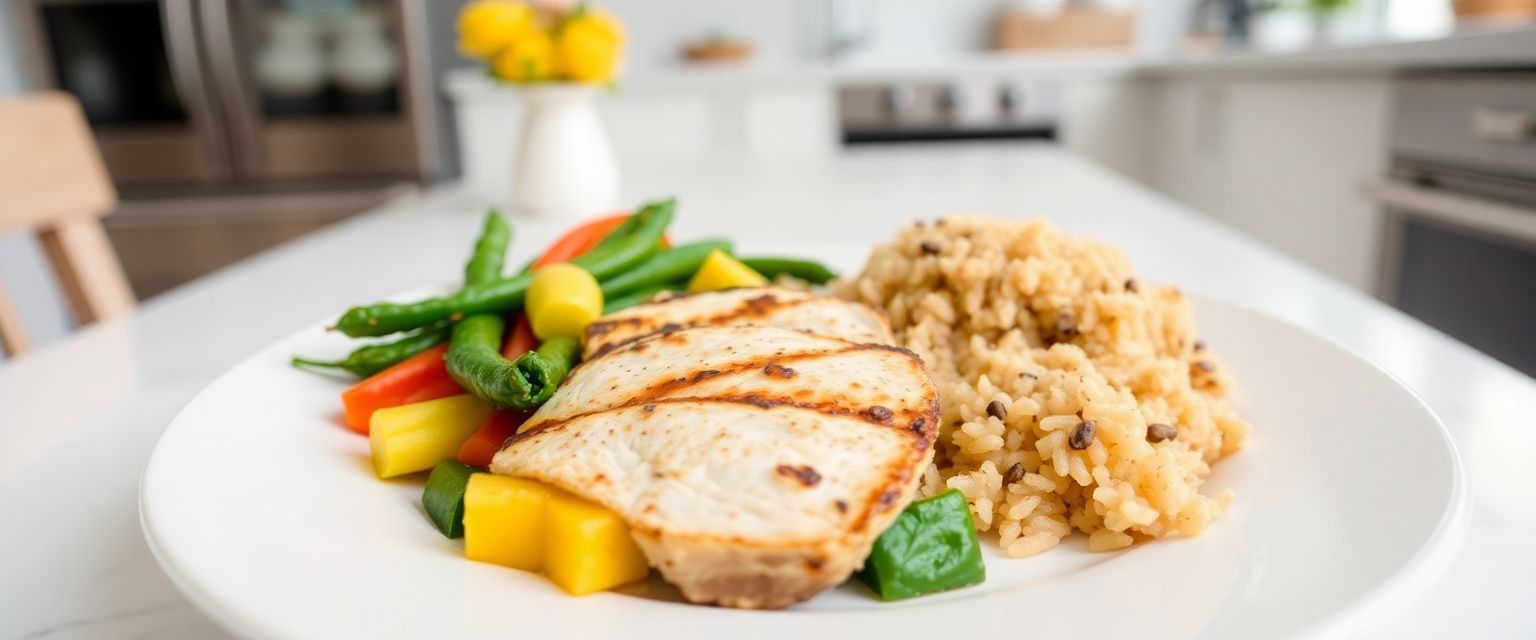
Portion Control for Beginners: Simple Tips to Kickstart Your Weight Loss
Weight loss can feel overwhelming, but mastering portion control is a straightforward strategy that can make a significant difference. By understanding portion sizes and learning how to manage them, you can effectively reduce calorie intake, maintain a balanced diet, and promote a healthier lifestyle. This guide is tailored for beginners, offering simple, actionable tips to kickstart your weight loss journey while ensuring that the information is clear and easy to follow.

What is Portion Control?
Portion control refers to the practice of managing the amount of food you consume at each meal or snack. Unlike restrictive diets that focus on cutting out food groups or severely limiting calories, portion control emphasizes moderation. By understanding what a proper portion looks like, you can enjoy your favorite foods without overindulging.
Why is Portion Control Important?
- Caloric Awareness: Understanding portion sizes helps you become more aware of the calories you’re consuming. Many people underestimate how much they’re eating, which can lead to unintentional weight gain.
- Balanced Nutrition: Portion control encourages a balanced diet. By controlling portions, you can ensure that you include a variety of food groups in your meals.
- Mindful Eating: Practicing portion control encourages mindfulness during meals. This awareness can help you recognize hunger and fullness cues, leading to healthier eating habits.
Simple Tips for Portion Control
1. Use Smaller Plates and Bowls
One of the easiest ways to practice portion control is to use smaller dinnerware. Research shows that people tend to eat more when served on larger plates. By switching to smaller plates and bowls, you can trick your brain into thinking you’re consuming more food, which can help you feel satisfied with less.
2. Measure Your Food
Before you serve yourself, consider measuring out your food. Using measuring cups or a kitchen scale can help you understand what a standard portion looks like. For instance, a serving of pasta is typically one cup cooked. Over time, this practice will help you gauge portion sizes intuitively.
3. Be Mindful of Liquid Calories
Drinks can be a hidden source of excess calories. Be mindful of portion sizes for beverages like juice, soda, and alcohol. A standard serving of juice is 4 ounces, which is often smaller than what people typically pour. Stick to this serving size to manage liquid calorie intake.
4. Fill Half Your Plate with Vegetables
Vegetables are low in calories but high in volume and nutrients. By filling half your plate with vegetables, you not only increase your fiber intake but also reduce the overall calorie density of your meal. This approach helps you feel fuller without overloading on calories.
5. Practice Slow Eating
Eating slowly can enhance your portion control efforts. It takes about 20 minutes for your brain to register fullness. By eating slowly, you give your body time to communicate its needs, helping you avoid overeating. Put your fork down between bites, and savor each mouthful.
6. Be Wary of “Super Sizing”
In today’s fast-food culture, larger portions have become the norm. When dining out, opt for smaller sizes or share meals with a friend. Many restaurants offer “light” or smaller portion options that can help you stay on track.
The Role of Mindfulness in Portion Control
Mindful eating is a practice that encourages awareness of your food choices and eating habits. By focusing on your meals without distractions—such as phones or television—you can better listen to your body’s hunger cues.
Tips for Mindful Eating:
- Eliminate Distractions: Set aside time to eat without interruptions.
- Engage Your Senses: Pay attention to the colors, textures, and flavors of your food.
- Reflect on Your Choices: Consider how your food choices make you feel physically and emotionally.
Expert Opinions on Portion Control
Nutritionists and dietitians emphasize the importance of portion control as a sustainable weight-loss strategy. According to a study published in the journal Obesity, individuals who practiced portion control lost more weight and maintained their weight loss over time compared to those who didn’t monitor their portions. Expert insights suggest that learning to visualize portion sizes can help create lasting changes in eating habits.
Conclusion
Portion control is a practical and effective approach to weight loss that can fit seamlessly into your daily routine. By following these simple tips, you can start to manage your portions better, leading to a healthier lifestyle and successful weight loss. Remember, the key is not to deprive yourself but to find balance and moderation in your eating habits.

